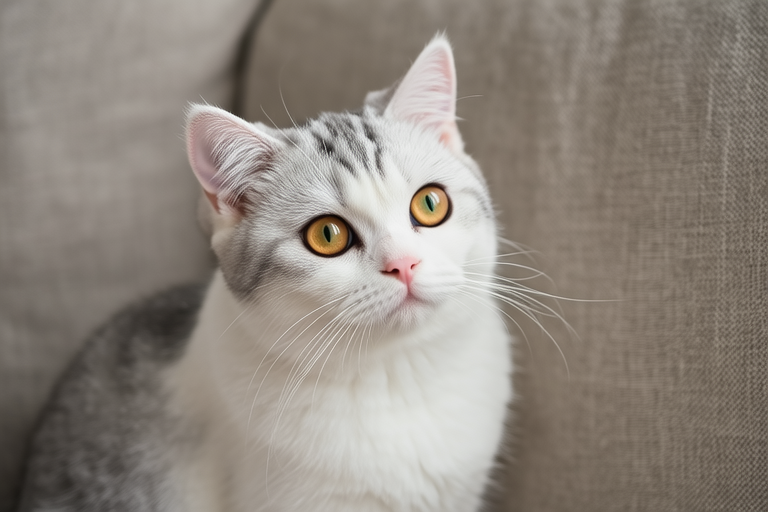
Unraveling the Mystery Behind the Unique Folded Ears of Scottish Folds
The Scottish Fold, with its distinctively folded ears, has captured the hearts of cat enthusiasts worldwide. This article delves into the history of the breed, the genetic mutation responsible for their unique feature, common health issues, behavioral traits, and the controversies surrounding their breeding. We will also explore the latest research and provide essential care tips for owners.
A Brief History of the Scottish Fold
The Scottish Fold emerged from a natural genetic mutation. In 1961, a white barn cat named Susie, found near Coupar Angus in Perthshire, Scotland, gave birth to a litter of kittens, one of which had folded ears. William Ross, a neighboring farmer and cat breeder, acquired one of these kittens, a female he named Snooks, and began a breeding program with her. The breed was initially known as Lop-Eared Cats or Lops, inspired by lop-eared rabbits. In 1971, the breed was renamed Scottish Fold, acknowledging its origin.
Despite initial success, the breed faced challenges. American cat fanciers were enthusiastic about the Scottish Fold, but in the United Kingdom, concerns over health issues led to a ban on showing the breed. Nonetheless, dedicated breeders continued to refine the breed, ensuring that Scottish Folds today are healthy and robust cats.
The Genetic Mutation: Understanding the Folded Ears
The folded ears of the Scottish Fold are the result of a spontaneous dominant mutation affecting the cartilage of the ear. The gene responsible for this trait, Fd, causes the ear cartilage to become excessively soft and flexible. This mutation can be traced back to the original mother, Susie. When a kitten inherits the Fd gene from one parent, they will have folded ears; if they inherit it from both parents, the effect is more pronounced.
Not all Scottish Folds have folded ears. About half of the kittens born to two Scottish Fold parents have straight ears, making them ideal candidates for breeding with non-folded ear cats to maintain genetic diversity. These straight-eared cats are often referred to as ‘Straights’ and are just as loving and loyal as their folded-ear counterparts.
Health Issues and Controversy Surrounding Breeding Practices
The same genetic mutation responsible for the folded ears can lead to serious health problems, particularly osteochondrodysplasia (OCD). This condition affects bone and cartilage development, causing deformities and pain. OCD can result in shortened limbs, thickened tails, and joint problems. The severity of OCD varies among individuals, but it is a significant concern for breeders and owners alike.
The controversy surrounding Scottish Fold breeding centers on the ethical implications of perpetuating a gene that can cause health issues. Some argue that selective breeding should focus on minimizing the expression of the Fd gene to reduce the risk of OCD. Others advocate for breeding only straight-eared cats to prevent the spread of the mutation altogether. This debate highlights the need for responsible breeding practices and underscores the importance of prioritizing the well-being of the cats.
Behavioral Traits and Care
Scottish Folds are known for their affectionate and gentle demeanor. They are highly social and enjoy human interaction, often seeking out attention and companionship. Their calm and laid-back nature makes them excellent family pets, and they get along well with children and other animals. Despite their docile appearance, Scottish Folds are intelligent and playful, often engaging in interactive games with their owners.
Caring for a Scottish Fold requires attention to their specific needs. Due to their sensitive ears, regular cleaning and inspection are crucial to prevent infections and ensure good ear health. Grooming their soft, dense fur is also essential, especially during shedding seasons. Regular brushing helps remove loose hair and prevents matting. Providing a balanced diet rich in nutrients supports their overall health and well-being.
Ongoing Research and Developments
Researchers continue to investigate the genetic and environmental factors contributing to the health issues associated with the folded ears. Recent studies have explored the potential benefits of crossbreeding with other cat breeds to introduce new genetic material and reduce the prevalence of OCD. Additionally, advancements in genetic testing offer hope for identifying carriers of the Fd gene and implementing more targeted breeding strategies.
Advocacy groups and organizations dedicated to promoting responsible breeding practices play a vital role in shaping the future of the Scottish Fold. By raising awareness about the importance of genetic diversity and encouraging ethical breeding, these groups help ensure that the breed remains healthy and vibrant for generations to come.
Why Their Folded Ears Make Them Distinctive
The folded ears of the Scottish Fold set them apart from other cat breeds. This unique characteristic not only adds to their charm but also influences their behavior and interactions with humans. Their expressive faces and curious expressions make them irresistible to many cat lovers. The folded ears contribute to their distinctive appearance, enhancing their appeal and making them stand out in a crowd.
Owners of Scottish Folds often remark on their strong bond with their pets. The combination of their endearing looks and loving personalities creates a special connection between owner and cat. This bond is further strengthened by the shared experiences of grooming, playing, and simply enjoying each other’s company.
Conclusion
The Scottish Fold is a breed with a rich history and a unique genetic trait that continues to captivate cat lovers around the world. While the folded ears bring undeniable charm, they also pose challenges that require careful consideration in breeding and care. By understanding the genetic basis of the folded ears and the associated health risks, we can work towards a healthier future for the breed. With responsible breeding practices and attentive care, Scottish Folds can continue to bring joy and companionship to many homes.
