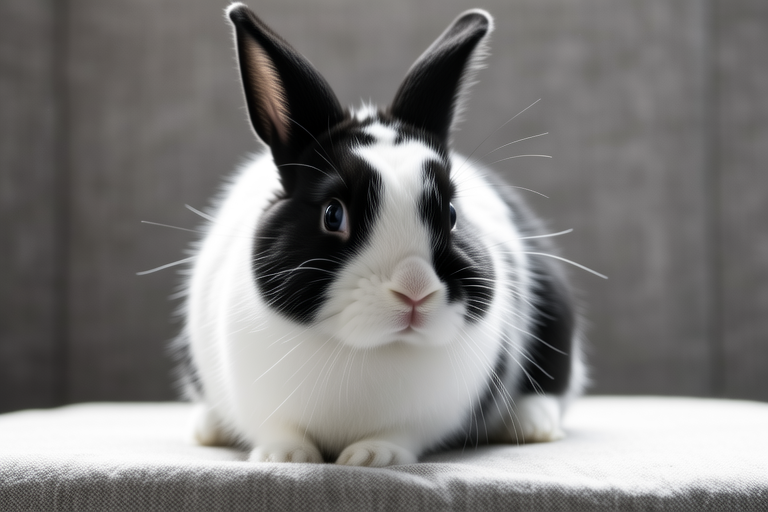
Adorable and Uncommon: Everything You Need to Know About the Hotot Bunny
The Hotot bunny is a unique and charming breed that has captured the hearts of many rabbit enthusiasts. With their distinctive white fur and striking black eye rings, these rabbits stand out from the crowd. Originating in France, the Hotot is known for its docile nature and playful personality, making it a delightful companion for families and individuals alike. This article will explore the history, physical attributes, temperament, care needs, and common health issues of the Hotot bunny, providing you with everything you need to know about this adorable and uncommon breed.
Origin and History
The Hotot rabbit was developed by Eugenie Bernhard in the early 20th century in France. She aimed to create a pure white rabbit with black eye rings, a trait she admired in other breeds. After years of selective breeding, she successfully produced the Hotot rabbit in 1923. The breed’s name comes from the town of Hotot-en-Auge, where Eugenie lived and worked on her breeding program. Although the Hotot almost became extinct after World War II, dedicated breeders have revived the population, ensuring its survival for future generations.
Physical Characteristics
The Hotot rabbit is a medium-sized breed with a compact, well-rounded body. Adult males typically weigh between 4 to 5 pounds, while females range from 5 to 6 pounds. Their most distinguishing feature is their pure white coat, which is short, dense, and glossy. The black eye rings, or bands, encircle their eyes, giving them a striking appearance. These eye rings are a result of the recessive gene that also causes their white fur. In addition to their eye-catching looks, Hotots have strong, arched spines and broad shoulders, contributing to their robust build.
Temperament and Personality
Hotot rabbits are known for their gentle and friendly disposition, making them excellent pets for families and individuals. They are curious and playful, often engaging in activities like digging and exploring their surroundings. Despite their small size, they can be quite energetic, so providing them with ample space to move around is essential. Hotots are social animals and enjoy interacting with their owners. They can be trained to use a litter box and respond well to positive reinforcement techniques, such as treats and praise.
Care Requirements
Diet
A balanced diet is crucial for maintaining the health and happiness of your Hotot rabbit. Their diet should consist of high-quality hay, fresh vegetables, and a limited amount of pellets. Timothy hay is ideal for adult rabbits, while alfalfa hay can be given to younger rabbits for added protein and calcium. Fresh vegetables, such as carrots, bell peppers, and leafy greens, provide essential vitamins and minerals. Pellets should be offered sparingly, as overfeeding can lead to obesity and other health issues.
Housing
Proper housing is essential for the well-being of your Hotot rabbit. A spacious cage or hutch provides a safe and comfortable environment for your pet. The enclosure should be large enough to allow the rabbit to stretch out fully and move around freely. Wire flooring is not recommended, as it can cause foot injuries. Instead, use solid flooring covered with bedding, such as straw or shredded paper. Ensure the housing is secure and protected from predators, and provide a hiding spot for your rabbit to feel safe and comfortable.
Grooming
The Hotot rabbit’s short, dense fur requires minimal grooming. However, regular brushing helps remove loose hair and prevents matting. Use a soft-bristled brush to gently brush your rabbit’s coat once or twice a week. During shedding season, increase the frequency to twice daily to keep up with the excess fur. Additionally, trim your rabbit’s nails every few weeks and clean its ears and teeth regularly to maintain good hygiene.
Tips for Owners
Raising a Hotot rabbit can be a rewarding experience, but it requires commitment and attention to detail. Here are some tips to help you care for your furry friend:
- Provide a stimulating environment: Hotots are intelligent and active rabbits, so offer them toys and activities to keep them mentally and physically engaged.
- Handle your rabbit gently: Rabbits are delicate creatures, so always support their hindquarters when holding them to prevent injury.
- Monitor their health: Regular check-ups with a veterinarian experienced in rabbit care can help catch any potential health issues early.
- Spay or neuter your rabbit: This procedure can improve your rabbit’s overall health and behavior, reducing the risk of certain cancers and unwanted pregnancies.
Common Health Issues
While Hotot rabbits are generally healthy, they are prone to certain health problems. Some common issues include:
- Tooth problems: Overgrown teeth can cause pain and difficulty eating. Regular dental check-ups and a proper diet can help prevent this issue.
- Ear infections: These can occur due to poor hygiene or damp living conditions. Keep your rabbit’s ears clean and dry to reduce the risk.
- Obesity: Overfeeding can lead to weight gain, which puts strain on the rabbit’s heart and joints. Monitor your rabbit’s weight and adjust its diet accordingly.
- Skin allergies: Some rabbits may develop skin allergies due to environmental factors or food sensitivities. Consult your veterinarian if you notice any signs of discomfort or irritation.
Why Consider the Hotot Rabbit as a Pet?
The Hotot rabbit is an excellent choice for those looking for a unique and affectionate pet. Their striking appearance, gentle nature, and playful personality make them a joy to have around. With proper care and attention, Hotot rabbits can live long, healthy lives, providing companionship and entertainment for their owners. Whether you’re a first-time pet owner or a seasoned enthusiast, the Hotot rabbit is sure to win your heart.
