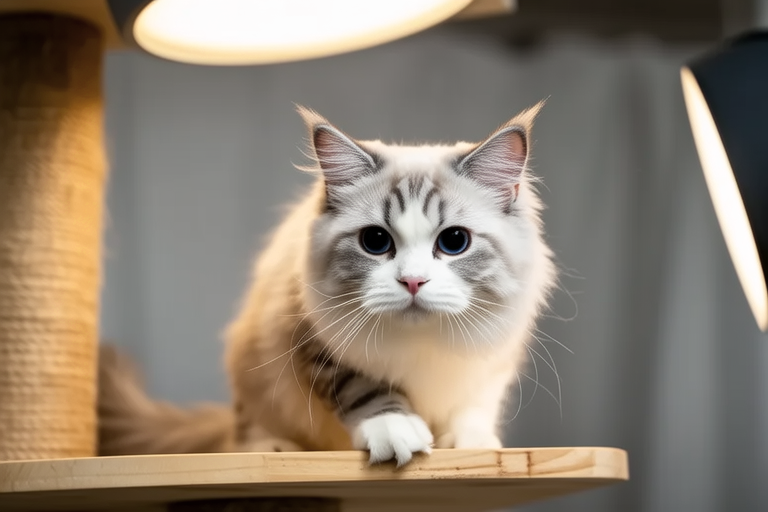
Training Tricks Every Chinchilla Owner Should Know
Welcome to your ultimate guide on how to train your chinchilla! Whether you’re a first-time owner or have been living with these delightful creatures for years, this comprehensive article will provide you with valuable insights into training your chinchilla effectively. We’ll cover essential training tips, common tricks that chinchillas can learn, proper techniques for positive reinforcement, common challenges faced by owners during training, and advice on maintaining a safe and stimulating environment for training sessions.
Understanding Your Chinchilla
Before diving into the training process, it’s important to understand the unique nature of chinchillas. These small, fluffy rodents are naturally curious and intelligent, making them excellent candidates for learning new behaviors. However, they are also very sensitive and require gentle handling. Patience and consistency are key when training your chinchilla.
Essential Training Tips
Build Trust
The foundation of any successful training program is trust between you and your chinchilla. Spend time daily interacting with your chinchilla, allowing them to become comfortable with your presence. Offer treats as rewards to build a positive association with you.
Choose the Right Time
Chinchillas have distinct periods of activity, typically during the evening and early morning hours. Schedule your training sessions during these times to maximize engagement and minimize distractions.
Use Positive Reinforcement
Positive reinforcement is the most effective method for training chinchillas. Reward desired behaviors with treats, praise, or petting. This encourages your chinchilla to repeat the behavior, leading to successful training outcomes.
Common Tricks Chinchillas Can Learn
Target Training
Teaching your chinchilla to target an object, such as a wooden stick or your finger, can be a fun and useful skill. Start by offering a treat each time your chinchilla touches the target. Gradually reduce the treat frequency to encourage consistency.
Recall
Teaching your chinchilla to come when called can be incredibly useful. Begin by calling their name while offering a treat. Repeat this process consistently until your chinchilla associates the sound of their name with the reward.
Obstacle Courses
Create simple obstacle courses using tunnels, platforms, and other safe objects. Encourage your chinchilla to navigate through these obstacles by offering treats at each stage. This not only entertains your chinchilla but also stimulates their natural curiosity.
Proper Techniques for Positive Reinforcement
Consistency
Maintain consistent commands and reward systems throughout the training process. This helps your chinchilla understand what behaviors are expected and rewarded.
Timing
Timing is crucial in positive reinforcement. Reward your chinchilla immediately after the desired behavior to ensure they associate the action with the reward.
Patience
Training takes time and patience. Some chinchillas may learn faster than others, but persistence is key. Avoid frustration and maintain a calm demeanor during training sessions.
Common Challenges Owners Face During Training
Lack of Interest
Your chinchilla may not show interest in training if they are tired, hungry, or distracted. Try adjusting the timing of your sessions or creating a more engaging environment.
Resistance to Treats
If your chinchilla refuses treats, try offering different types or introducing new flavors. Alternatively, use other forms of positive reinforcement, such as petting or verbal praise.
Behavior Regression
Occasionally, chinchillas may regress in their training progress. This can happen due to stress, illness, or changes in routine. If regression occurs, revisit the basics and gradually reintroduce advanced training elements.
Maintaining a Safe and Stimulating Environment
Safe Spaces
Ensure your training area is free from hazards, such as electrical cords or toxic plants. Use a sturdy enclosure with appropriate bedding to prevent injuries.
Environmental Enrichment
Provide toys, tunnels, and climbing structures to keep your chinchilla mentally stimulated. Rotate toys periodically to prevent boredom and encourage exploration.
Supervision
Always supervise your chinchilla during training sessions to ensure their safety. Be attentive to signs of stress or discomfort, and adjust the session accordingly.
Conclusion
Training your chinchilla can be a rewarding experience for both you and your pet. By following these essential tips, utilizing positive reinforcement techniques, addressing common challenges, and maintaining a safe and stimulating environment, you can successfully teach your chinchilla a variety of fun and engaging tricks. Remember, every chinchilla is unique, so tailor your approach to suit their individual needs and preferences. Happy training!
