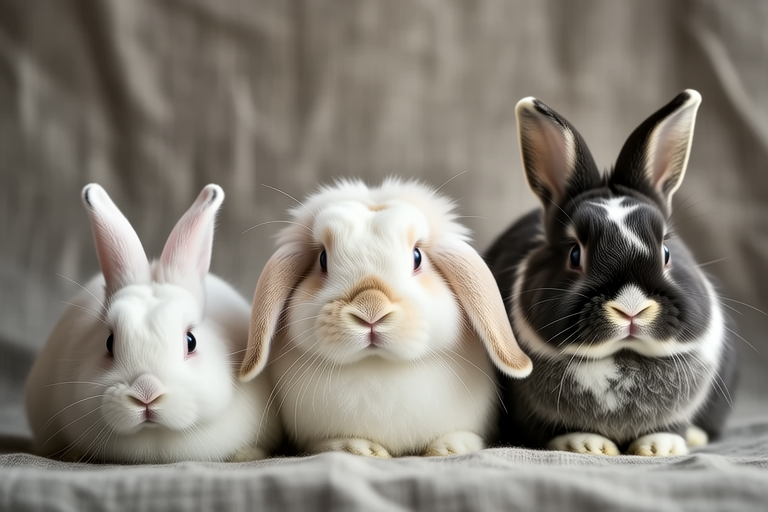
Lop Rabbits vs Other Breeds: Why This Fluffy Furry Friend Stands Out
When it comes to choosing the right pet, many people consider rabbits due to their gentle nature and manageable size. Among the various breeds available, lop rabbits have gained significant popularity for their distinctive floppy ears. This article explores why lop rabbits stand out among other popular breeds like Netherland Dwarfs, Holland Lops, and Angoras. We will compare these breeds based on size, temperament, grooming needs, and activity levels, while also discussing ideal living conditions, common health issues, and tips for potential owners.
Introduction to Lop Rabbits
Lop rabbits are easily recognizable by their long, floppy ears that hang down on either side of their heads. These charming creatures come in different sizes and colors, making them versatile choices for pet owners. Their ears can grow up to five inches long and often require extra care to prevent matting or injury. Despite their delicate appearance, lop rabbits are sturdy animals known for their calm demeanor and affectionate personalities.
Comparison with Popular Rabbit Breeds
Size
Netherland Dwarfs are one of the smallest domestic rabbit breeds, typically weighing between two to three pounds. In contrast, lop rabbits vary in size depending on the specific breed. For instance, Mini Lop rabbits usually weigh around five to six pounds, whereas English Lops can reach weights of twelve to fourteen pounds. Holland Lops, another variant of lop rabbits, fall somewhere in between, weighing about four to six pounds. Angora rabbits are generally larger, with some reaching up to ten pounds.
Temperament
Temperament plays a crucial role when selecting a pet. Netherland Dwarfs are known for their energetic and sometimes mischievous behavior, which may not be suitable for everyone. On the other hand, lop rabbits tend to have a more relaxed and docile temperament, making them excellent companions for families with children. Holland Lops share similar traits with their lop counterparts, being gentle and easygoing. Angora rabbits are also calm but can be more reserved, requiring time to warm up to new environments and people.
Grooming Needs
Grooming is essential for maintaining your rabbit’s health and appearance. Lop rabbits have shorter fur compared to Angora rabbits, reducing the frequency of grooming sessions. However, their floppy ears need regular attention to avoid mats and infections. Netherland Dwarfs and Holland Lops also benefit from routine grooming, although less frequently than their long-haired counterparts. Angora rabbits require extensive grooming to prevent tangles and hairballs, which can lead to digestive problems if ingested.
Activity Levels
Rabbits need plenty of exercise to stay healthy and happy. Netherland Dwarfs are highly active and enjoy exploring their surroundings, so providing ample space for them to run around is important. Lop rabbits, particularly Mini Lops, are moderately active and enjoy playing with toys and interacting with their owners. Holland Lops share similar activity levels with Mini Lops, appreciating regular playtime and mental stimulation. Angora rabbits tend to be less energetic, preferring quieter environments where they can rest comfortably.
Ideal Living Conditions
Creating a comfortable home for your lop rabbit is vital for their well-being. A spacious cage or enclosure with adequate ventilation ensures proper air circulation and prevents respiratory issues. The floor should be soft and absorbent, such as straw bedding or recycled paper pellets, to minimize pressure points on their feet. Providing tunnels, boxes, and other enrichment items encourages exploration and mental engagement. Additionally, ensure access to fresh water and a balanced diet consisting of hay, pellets, and occasional treats.
Common Health Issues
All rabbit breeds are susceptible to certain health problems, but some conditions are more prevalent among specific groups. Lop rabbits, especially those with longer ears, may experience ear infections if not properly cared for. Regular cleaning and checking for signs of discomfort or discharge can help prevent these issues. Obesity is another concern for lop rabbits, particularly if they don’t get enough exercise. Maintaining a healthy weight through proper nutrition and physical activity reduces the risk of joint problems and other related ailments.
Tips for Potential Owners
- Research thoroughly: Before bringing a lop rabbit into your home, familiarize yourself with their care requirements and behavioral tendencies.
- Prepare adequately: Set up a safe and comfortable living space before adopting your new furry friend.
- Consult professionals: Reach out to veterinarians specializing in exotic pets for advice on healthcare and wellness.
- Engage regularly: Spend quality time interacting with your lop rabbit to strengthen your bond and promote emotional well-being.
Why Lop Rabbits Make Exceptional Pets
Lop rabbits offer unique characteristics that make them outstanding companions. Their distinctive floppy ears add charm and personality, setting them apart from other breeds. With their calm and affectionate nature, lop rabbits provide unwavering loyalty and companionship, becoming cherished members of the family. Whether you’re seeking a playful companion for your children or a serene addition to your household, lop rabbits are sure to bring joy and happiness into your life.
In conclusion, lop rabbits stand out among other popular rabbit breeds due to their appealing appearance, gentle temperament, and ease of care. By understanding their specific needs and providing appropriate living conditions, you can ensure a happy and healthy life for your fluffy furry friend. Embrace the joys of owning a lop rabbit and discover why they make exceptional pets.
