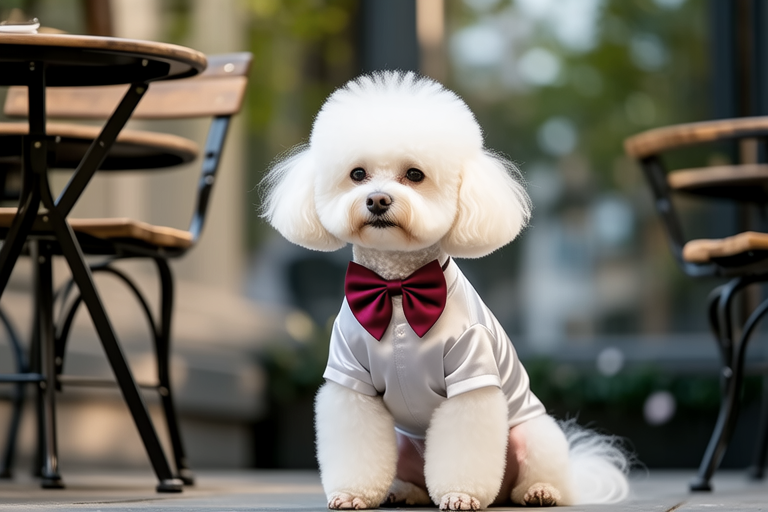
The Evolution of Poodles: From Water Retrievers to Parisian Elegance
The poodle is one of the most recognizable and beloved breeds in the world. Originating in Germany as water retrievers, these intelligent dogs have evolved into symbols of sophistication and elegance. This article explores the fascinating journey of poodles from their roots in the rugged landscapes of Germany to their iconic status as fashionable companions in French society. We will delve into the breed’s transformation into popular show dogs, their adaptability as family pets, and highlight their hypoallergenic qualities and grooming needs. Through anecdotes and historical facts, we will showcase the playful and affectionate nature of poodles in modern households, balancing their sophisticated heritage with their fun-loving side.
Origins in Germany: The Water Retriever
The poodle’s story begins in the marshlands of Germany, where it was originally bred for its exceptional swimming abilities. Known as Pudel, which translates to “puddle,” this breed was highly valued for its ability to retrieve game from water. The earliest records of poodles date back to the 15th century, where they were depicted in paintings and tapestries. Their dense, curly coats provided protection against cold water, while their webbed feet made them excellent swimmers.
The standard poodle, the largest variety, was initially used for hunting large game, such as ducks and geese. Over time, breeders developed smaller versions of the poodle to suit different purposes. The medium-sized poodle, known as the miniature poodle, was used for retrieving smaller birds, while the smallest variety, the toy poodle, was often kept as a companion dog. Despite their varied sizes, all poodles share the same intelligent and trainable nature that has made them so popular.
The Poodle’s Journey to France: Symbols of Elegance
During the Renaissance period, poodles began to gain popularity in France, where they quickly became symbols of elegance and refinement. The French aristocracy was particularly fond of poodles, and many notable figures owned the breed. One such owner was King Louis XVI, who kept a pair of poodles at Versailles. Another famous poodle owner was Marie Antoinette, who was said to have a deep affection for her pet, a toy poodle named Mimi.
The poodle’s association with French culture continued to grow throughout the 19th century, when they became fixtures in Parisian salons. Wealthy patrons and artists alike were drawn to the breed’s intelligence and charm. Poodles were often seen accompanying their owners to high-society events, adding an air of sophistication to any gathering. Their elegant appearance and graceful movements made them perfect companions for those who appreciated beauty and style.
Poodles in Dog Shows: Intelligence and Trainability
The poodle’s intelligence and trainability made them natural contenders in the world of dog shows. They first appeared in formal competitions in the late 19th century, where their distinctive coat patterns and graceful movements caught the attention of judges and spectators alike. The poodle’s ability to perform complex tricks and服从
