The Hidden Costs Behind Adopting a Mini Pig: Is It Right for You?
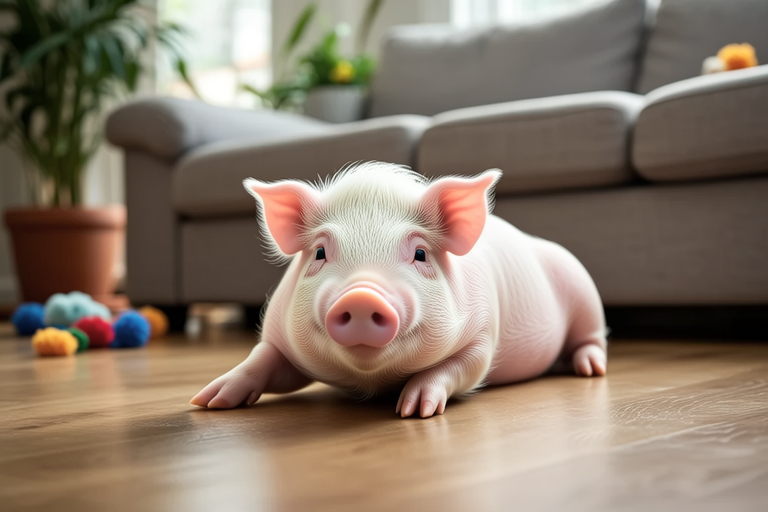
Mini pigs have become increasingly popular as pets due to their unique charm and relatively small size compared to their larger counterparts. These animals are often seen as cute, cuddly, and easy to manage, making them appealing to many potential pet owners. However, the reality of owning a mini pig can be quite different from the image portrayed in social media posts and advertisements. Before diving into the world of mini pig ownership, it’s crucial to understand the hidden costs involved and whether this type of pet is truly suitable for your lifestyle.
Understanding Mini Pigs
Mini pigs are often marketed as small, manageable pets that can live comfortably in apartments or small homes. They are intelligent, social, and can form strong bonds with their human families. Their curiosity and playfulness make them endearing companions. However, one of the most common misconceptions about mini pigs is their size. While they are indeed smaller than standard farm pigs, they can still grow to be quite large, ranging from 50 to 150 pounds depending on the breed. This means that they require ample space and resources to thrive.
Initial Adoption Fees
The first step in adopting a mini pig is paying the adoption fee, which can vary widely depending on the breeder or rescue organization. Typically, adoption fees range from $300 to $1,500. This fee covers the cost of initial vaccinations, deworming, and sometimes spaying or neutering. It’s important to research reputable sources and avoid backyard breeders who may not prioritize the health and well-being of the animals they sell.
Dietary Requirements
Maintaining a healthy diet is crucial for the well-being of any animal, and mini pigs are no exception. High-quality, nutritionally balanced pig feed is essential to prevent obesity and related health issues. The cost of feeding a mini pig can add up quickly, especially when considering the amount of food they consume daily. On average, a mini pig will eat between 2 to 4 pounds of feed per day, depending on its size and activity level. Premium pig feed can cost anywhere from $20 to $40 per bag, and each bag typically lasts about a week.
In addition to commercial feed, mini pigs also need a variety of fruits and vegetables to supplement their diet. Apples, carrots, and leafy greens are all excellent choices, but it’s important to introduce new foods gradually to avoid digestive upset. Fresh water should always be available, and water bowls should be cleaned regularly to prevent bacterial growth.
Healthcare Expenses
Veterinary care is a significant aspect of owning a mini pig. Regular check-ups, vaccinations, and preventative treatments such as heartworm and parasite control are necessary to keep your pig healthy. Initial vaccinations can cost around $100, while annual boosters might cost between $50 and $100. Additionally, spaying or neutering can cost anywhere from $200 to $600, depending on the pig’s age and health status.
Many owners choose to purchase pet insurance to cover unexpected medical expenses. Pet insurance policies for mini pigs can range from $30 to $80 per month, depending on the coverage selected. Emergency veterinary care can be extremely costly, often running into thousands of dollars for surgeries or intensive treatments. Being prepared for these expenses can alleviate financial stress during emergencies.
Housing Needs
Space is a critical consideration when adopting a mini pig. While they may not require the same vast outdoor areas as full-sized pigs, they still need plenty of room to move around and exercise. Mini pigs are active animals that enjoy exploring and foraging, so a spacious yard or a large indoor area is ideal. If you live in an apartment, consider whether you can provide sufficient space for your pig to roam freely and safely.
Bedding and shelter maintenance are also important aspects of housing. Mini pigs need comfortable bedding, such as straw or hay, to rest on. Bedding should be changed regularly to prevent odors and bacterial growth. Additionally, a sheltered area should be provided to protect the pig from extreme weather conditions. Housing maintenance, including cleaning and repairs, can add up over time.
Grooming
Regular grooming is essential for maintaining your mini pig’s hygiene and overall health. Bathing a mini pig can be challenging due to their size and temperament, so it’s advisable to use a professional groomer or learn proper bathing techniques. Grooming products, such as shampoos and conditioners, can cost between $10 and $30 per bottle. Nail trimming is another regular grooming task, and some pigs may require professional assistance, which can cost around $50 per session.
Unexpected Medical Issues
Despite your best efforts to provide a healthy environment, unexpected medical issues can arise. Mini pigs are prone to certain health problems, such as joint issues, respiratory infections, and dental problems. Early detection and treatment are crucial for managing these conditions effectively. Regular veterinary check-ups can help identify potential health concerns before they become serious.
Tips for Potential Owners
Before adopting a mini pig, it’s important to assess your readiness both financially and emotionally. Research thoroughly to understand the commitment involved in owning a mini pig. Joining online forums and local groups can provide valuable insights and support from experienced owners.
Financial preparation is key. Setting aside a monthly budget for food, healthcare, and other expenses can help prevent financial strain. Many owners find it beneficial to establish a pet emergency fund to cover unexpected medical costs.
Emotional readiness is equally important. Mini pigs can be demanding pets that require consistent attention and interaction. Ensuring that you have the time and energy to dedicate to your pig’s needs is crucial for both the animal’s well-being and your own satisfaction.
Reflecting on the Decision
Owning a mini pig can be a rewarding experience, but it’s essential to weigh the costs against the benefits. The companionship and joy a mini pig brings to your life can be priceless, but the financial and emotional commitments are significant. Responsible pet ownership involves providing proper care, meeting nutritional needs, and addressing health concerns promptly.
If you’re prepared to handle the responsibilities and challenges that come with owning a mini pig, then this unique and loving animal could be the perfect companion for you. However, if the hidden costs and ongoing commitments seem overwhelming, it may be wise to reconsider or explore other pet options that better fit your lifestyle and resources.
