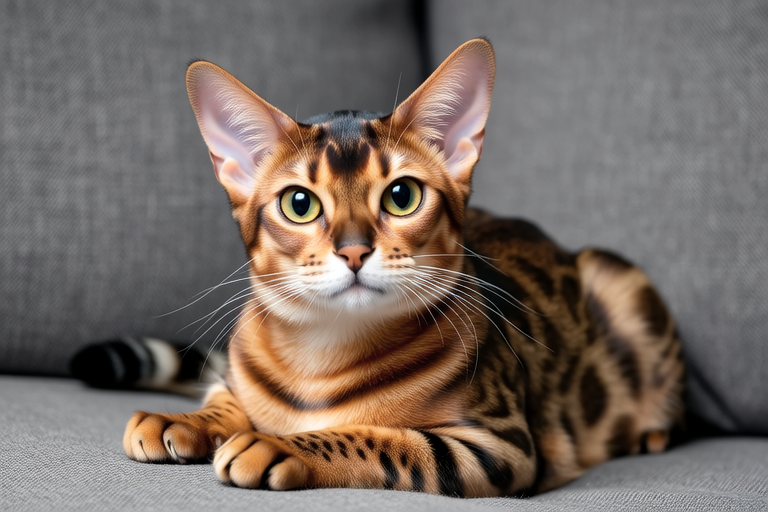
Beyond the Basics: Expert Tips for Raising a Bengal Cat
Welcome to the world of Bengal cats! Known for their striking appearance and energetic personalities, these felines require a bit more attention than your average house cat. This guide will provide you with expert tips on how to raise a Bengal cat, covering everything from understanding their temperament to ensuring they stay healthy and happy.
Understanding Bengal Cat Temperament
Bengal cats are often described as having a “dog-like” personality, which means they can be quite affectionate and loyal to their owners. They are known for their playful nature and love of interaction. However, this also means they need plenty of mental and physical stimulation to prevent boredom and destructive behavior.
These cats are intelligent and curious, often getting into mischief if left alone for too long. They thrive in environments where they have plenty of opportunities to explore and play. Their strong prey drive can sometimes lead them to chase smaller pets or even insects around the house. It’s important to supervise interactions between Bengals and other animals to ensure everyone stays safe.
Dietary Needs
Bengals have specific dietary needs due to their high activity levels and metabolism. A balanced diet rich in protein is essential for maintaining muscle mass and energy levels. Look for high-quality commercial foods that list meat as the primary ingredient. Avoid fillers like corn or wheat, which offer little nutritional value.
Some Bengal owners opt for raw diets, but it’s crucial to consult with a veterinarian before making any significant changes to your cat’s diet. Feeding a raw diet requires careful preparation to avoid introducing harmful bacteria or parasites. Additionally, ensure that your Bengal cat receives all necessary vitamins and minerals through supplements if needed.
Unique Grooming Requirements
Bengal cats have short coats that are relatively easy to maintain, but they still require regular grooming. Their coat has a unique texture, often described as water-resistant, which can make it difficult for dirt and oils to stick. Brushing your Bengal once or twice a week helps remove loose fur and prevents matting.
Because of their love for water, some Bengals enjoy baths. If your cat tolerates water well, consider incorporating bathing into its grooming routine. Always use cat-specific shampoo and take care not to get water in your cat’s ears or eyes. Regular nail trimming is also important to keep your Bengal comfortable and to prevent scratches.
Interactive Play and Exercise Suggestions
Bengals are very active and require plenty of outlets for their energy. Interactive toys that encourage hunting and chasing behaviors are particularly effective. Laser pointers, feather wands, and puzzle feeders are excellent choices. Puzzle feeders challenge your cat mentally while providing entertainment and food simultaneously.
Consider setting up climbing structures or cat trees in your home to give your Bengal places to climb and explore. These structures also serve as great perches for watching over their territory. Encourage your Bengal to engage in play by joining in yourself. Not only does this provide exercise, but it also strengthens the bond between you and your cat.
Training Techniques
Training a Bengal cat can be both rewarding and challenging. Positive reinforcement methods work best with these intelligent creatures. Use treats and praise to reward good behavior, such as using the litter box or coming when called. Consistency is key; always use the same commands and rewards.
Clicker training is another technique that many Bengal owners find successful. The clicker serves as an immediate signal that your cat has done something right, followed by a treat. This method can help teach basic commands like ‘sit’ or ‘come’. Remember, patience is essential during training sessions. Keep sessions short and fun to maintain your Bengal’s interest.
Common Health Issues
While Bengals generally live long, healthy lives, they are prone to certain health issues. Hypertrophic cardiomyopathy (HCM), a heart condition, is one concern. Regular veterinary check-ups are crucial for early detection and management of this disease.
Dental problems are also common among Bengals. Tartar buildup can lead to gingivitis and tooth decay. Regular brushing and professional cleanings can help prevent these issues. Additionally, Bengals may develop allergies, especially to certain types of food or environmental factors. Identifying and addressing these allergies early can greatly improve your cat’s quality of life.
Advice on Creating a Stimulating Environment
Creating a stimulating environment for your Bengal cat is vital for their mental and physical wellbeing. Bengals are highly intelligent and need challenges to keep their minds engaged. Provide toys that require problem-solving skills, such as puzzle feeders or interactive balls.
Incorporate elements of nature into your home. Bengal cats have a strong connection to water, so consider placing a small fountain or aquarium near their favorite lounging spots. Additionally, create spaces where your cat can observe outdoor activities without being exposed to potential dangers. This could include installing window perches or bird feeders outside.
The Importance of Regular Veterinary Care
Regular veterinary care is essential for keeping your Bengal cat healthy and happy. Annual check-ups allow veterinarians to monitor your cat’s overall health and catch any potential issues early. Vaccinations protect against diseases, and dental care prevents painful conditions.
Mental stimulation is equally important for these active cats. Providing enrichment activities such as puzzle toys, climbing structures, and interactive games helps prevent boredom and destructive behaviors. Engaging your Bengal in play sessions not only keeps them physically fit but also strengthens the bond between you.
Real-Life Examples
One owner shared her experience with her Bengal cat, Luna. “Luna loves playing fetch with her favorite toy,” she said. “We started training her when she was just a kitten, and now she brings the toy back every time!” Another owner, John, mentioned that his Bengal, Max, enjoys watching birds through the window. He set up a bird feeder outside and installed a perch inside for Max to enjoy the view.
These examples highlight the variety of ways Bengal cats can be entertained and stimulated. By observing your Bengal’s preferences and providing appropriate outlets for their energy, you can ensure they lead fulfilling lives.
Raising a Bengal cat comes with unique challenges and rewards. With proper care, attention, and stimulation, you can create a loving environment that allows your Bengal to thrive. Remember, each cat is different, so tailor your approach based on individual needs and preferences.
