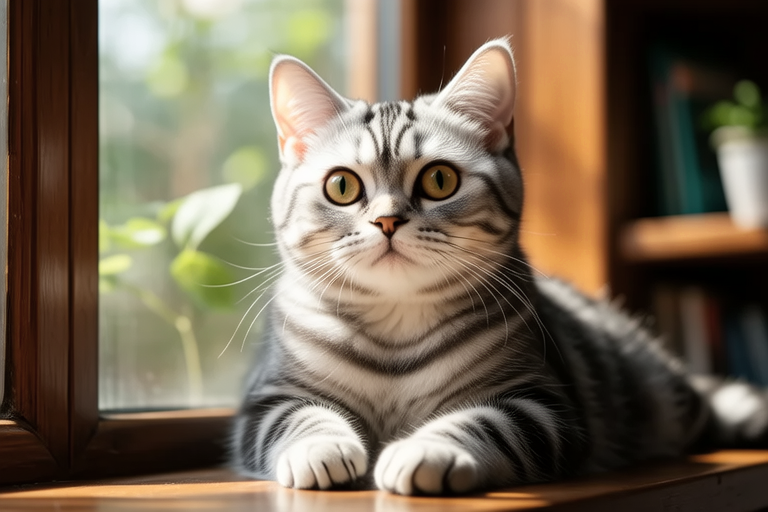
The Secret Life of American Shorthairs: What Every Owner Should Know
When you bring home an American Shorthair (ASH), you’re not just adopting a pet; you’re welcoming a piece of history into your life. Known for their robust health and gentle demeanor, these cats have been a beloved part of American households for centuries. In this guide, we’ll explore the fascinating world of American Shorthairs, offering valuable insights into their history, behavior, health, and care. Whether you’re a new owner or a seasoned cat lover, there’s always something more to learn about these remarkable felines.
A Brief History of the American Shorthair
The American Shorthair has a rich history that dates back to the early days of America. These cats were brought over by European settlers as companions and rodent hunters. Their ancestors played a crucial role in protecting grain stores from mice and rats on ships and farms. Over time, they adapted to the North American environment, evolving into the robust and healthy breed we know today.
Recognized by the Cat Fanciers’ Association (CFA) in 1906, the ASH has since become one of the most popular cat breeds in the United States. Their history is marked by resilience and adaptability, traits that continue to define them today.
Unique Behaviors and Personality Traits
One of the most endearing aspects of owning an American Shorthair is their distinct personality. These cats are often described as calm, intelligent, and affectionate. They enjoy interacting with their human family but are also independent enough to entertain themselves when necessary. This balance makes them ideal companions for busy households.
Unlike some other breeds, American Shorthairs tend to be less vocal, making them perfect for those who prefer a quieter pet. However, they still communicate through body language and subtle sounds, so it’s important to pay attention to their cues. Their playful nature often surprises owners, especially when they engage in games that mimic hunting, like chasing toys or batting at strings.
Interestingly, ASHs are known for their curiosity and problem-solving skills. They love exploring their surroundings and can sometimes figure out how to open doors or cabinets. Providing them with puzzle feeders or interactive toys can help channel this intelligence into positive outlets.
Common Health Issues
While American Shorthairs are generally healthy, they are not immune to certain genetic conditions. Regular veterinary check-ups are essential to ensure early detection and management of any potential issues. Some common health concerns include:
- Hypertrophic cardiomyopathy (HCM): A heart condition that can lead to sudden death if left untreated. Early diagnosis through echocardiograms is crucial.
- Polycystic kidney disease (PKD): Characterized by the formation of cysts in the kidneys, which can eventually lead to kidney failure. Genetic testing can identify carriers.
- Obesity: A growing concern in many indoor cats, including ASHs. Maintaining a balanced diet and encouraging regular exercise can help prevent this.
Vaccinations and parasite control are also vital for keeping your cat healthy. Discussing specific needs with your veterinarian ensures a personalized approach to healthcare.
Grooming Needs
American Shorthairs have a short, dense coat that requires minimal grooming. Their self-cleaning habits mean they typically only need brushing once or twice a week to remove loose hair and distribute natural oils. However, during shedding seasons, more frequent brushing may be necessary to prevent hairballs.
Bathing is usually unnecessary unless your cat gets particularly dirty or develops skin issues. If you do need to bathe your ASH, use a mild, cat-specific shampoo and ensure thorough rinsing to avoid irritation.
Nail trimming is another essential grooming task. Regular trims help prevent overgrowth and discomfort. If your cat is resistant to nail clipping, consider training them gradually using treats and positive reinforcement.
