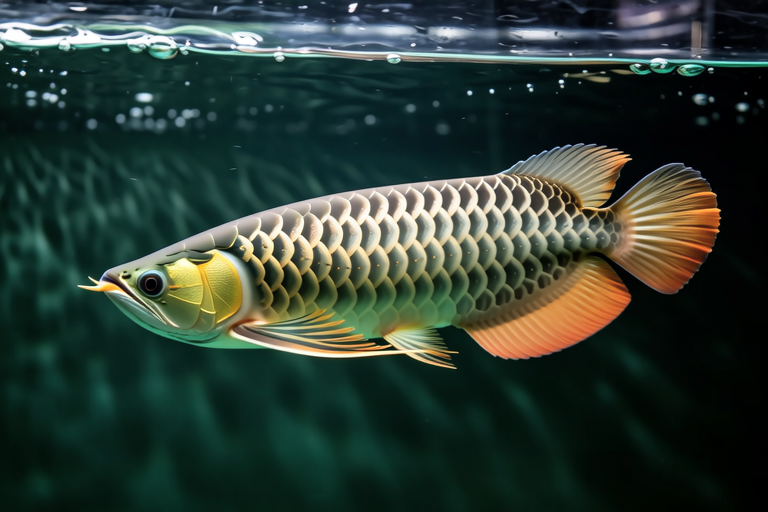
From Jungle to Tank: Everything You Need to Know About Caring for an Arowana
The arowana, often referred to as the “dragon of the waters,” is a majestic fish that has captivated the hearts of many aquarists. Known for its striking appearance and unique behaviors, the arowana requires specific care to thrive in captivity. This article will guide you through everything you need to know about caring for an arowana, from understanding its origins and natural habitat to setting up an ideal tank, maintaining water conditions, feeding, breeding, and addressing common health issues.
Origins and Natural Habitat
Arowanas belong to the Osteoglossidae family and are native to tropical regions across Asia, South America, and Africa. These ancient fish have been around for millions of years, evolving to thrive in various environments, including rivers, swamps, and floodplains. The most popular species among aquarists are the Asian arowana (Scleropages formosus), the silver arowana (Osteoglossum bicirrhosum), and the black arowana (Scleropages legendrei).
In the wild, arowanas are top predators, feeding on smaller fish, insects, and crustaceans. They are known for their ability to leap out of the water to catch prey, making them fascinating to observe. Understanding their natural environment is crucial for replicating the right conditions in your aquarium.
Ideal Tank Setup and Size Requirements
Arowanas are large, active fish that require ample space to swim and grow. For a single adult arowana, a tank measuring at least 4 feet in length, 2 feet in width, and 3 feet in height is recommended. Juveniles can be housed in smaller tanks but must be moved to larger accommodations as they grow.
The tank should have a strong filtration system capable of handling the bioload produced by such a large fish. Arowanas are sensitive to water quality, so regular maintenance is essential. Use a robust external filter that provides both mechanical and biological filtration. Additionally, consider adding an air pump to ensure adequate oxygenation.
Decorate the tank with sturdy plants, driftwood, and rocks to provide hiding spots and stimulate natural behavior. However, avoid overcrowding the tank, as arowanas need plenty of open swimming space. Ensure that all decorations are securely anchored to prevent accidents.
Water Conditions Necessary for Their Health
Maintaining optimal water parameters is crucial for the health and longevity of your arowana. The ideal temperature range is between 78°F and 84°F (25°C to 29°C). pH levels should be slightly acidic to neutral, between 6.5 and 7.5. Ammonia and nitrite levels should be undetectable, while nitrate levels should be kept below 20 ppm.
To achieve these conditions, perform regular water changes, typically 10-20% every week. Use a high-quality water conditioner to remove chlorine and chloramine. Test the water regularly to monitor the levels of ammonia, nitrite, nitrate, and pH. Consider installing a heater thermostat to maintain consistent temperatures.
Arowanas prefer soft water, but if you live in an area with hard water, you can soften it by using reverse osmosis or deionization systems. Regular monitoring and adjustments will help ensure your arowana thrives in its environment.
Dietary Needs
Arowanas are carnivorous and require a diet rich in protein. In the wild, they feed on small fish, insects, and crustaceans. In captivity, you can offer them a variety of foods, including frozen or live fish, shrimp, and worms. High-quality commercial pellets designed for large predatory fish can also be part of their diet.
It’s important to vary their diet to ensure they receive all necessary nutrients. Feed your arowana two to three times a week, offering as much food as they can consume within five minutes. Overfeeding can lead to obesity and health problems, so monitor their intake carefully.
Arowanas are known for their jumping abilities, so feeding them near the surface of the water can encourage natural behaviors. Be cautious when feeding, as they may jump out of the tank if startled or excited.
Breeding Habits
Breeding arowanas in captivity is challenging and requires specialized knowledge and setups. Males and females are difficult to distinguish visually, so genetic testing is often necessary. Breeding pairs should be introduced to a dedicated breeding tank with optimal water conditions and ample space.
During spawning, the male arowana guards the eggs and fry in his mouth. This behavior, known as mouthbrooding, ensures the safety of the offspring until they are large enough to fend for themselves. Provide a breeding tank with plenty of hiding places and a gentle flow of water to mimic the natural spawning conditions.
If successful, the fry will be tiny and delicate, requiring specialized care. Offer them infusoria and other microscopic organisms initially, then gradually introduce larger foods as they grow. Patience and attention to detail are key during this critical period.
Common Health Issues
Despite their resilience, arowanas can suffer from health issues if not properly cared for. Common ailments include bacterial infections, fungal growths, and parasitic infestations. Symptoms may include lethargy, loss of appetite, discolored patches, and erratic swimming behavior.
To prevent these issues, maintain excellent water quality and hygiene. Quarantine new fish before introducing them to the main tank to avoid introducing pathogens. Treat any signs of illness promptly with appropriate medications, following the instructions carefully. Consult with a veterinarian specializing in exotic fish if needed.
Regular health checks and a balanced diet contribute to overall well-being. Keep an eye on your arowana’s behavior and appearance to catch any potential issues early.
Tips for Interacting With and Training These Aquatic Pets
Interacting with your arowana can be a rewarding experience. While they are not trainable in the same way as some other pets, you can establish a bond by feeding them consistently. Over time, they may recognize you and show interest when you approach the tank.
Be cautious when interacting with your arowana, as they can become territorial and aggressive, especially during feeding times. Avoid reaching into the tank, and always use feeding tongs or nets to minimize the risk of injury.
Training your arowana to eat from your hand is possible but requires patience and consistency. Start by feeding them near the surface and gradually move closer to the tank edge. Reward positive behavior with treats, but never force interaction if your fish shows signs of stress or discomfort.
Caring for an arowana is a rewarding endeavor that requires dedication and knowledge. By understanding their origins, creating the right environment, and addressing their specific needs, you can ensure your arowana thrives in your aquarium. Whether you’re a novice or an experienced aquarist, the majestic presence of an arowana is sure to bring joy and fascination to your home.
