The Ultimate Guide to Owning a Siberian Husky: Tips for Happy Living
Introduction
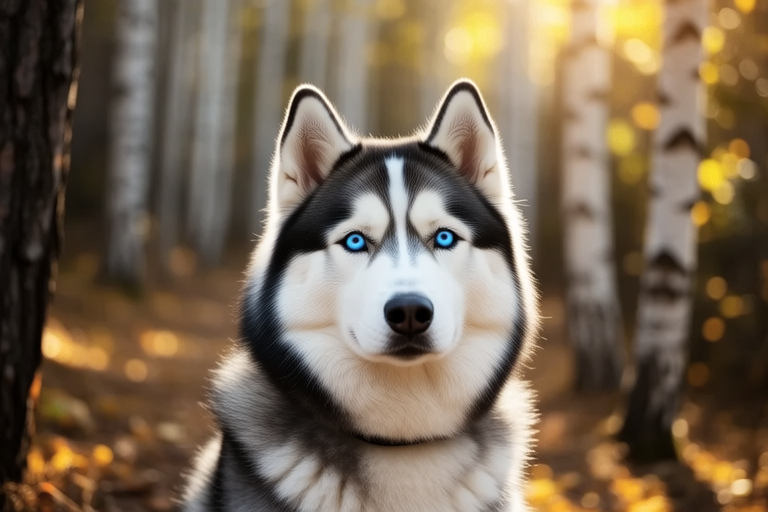
Welcome to the world of Siberian Huskies! These beautiful, intelligent dogs have captured the hearts of many dog lovers around the globe. With their striking blue or multi-colored eyes and thick, fluffy coats, Siberian Huskies are not only stunning but also full of personality. However, owning a Siberian Husky comes with unique challenges that require careful consideration and preparation. This guide will provide you with all the essential information you need to ensure your Siberian Husky lives a happy and healthy life.
Breed Characteristics
Siberian Huskies are an ancient breed originating from the Chukchi people of Northeastern Asia. They were bred to pull sleds over long distances in harsh, cold conditions. As a result, they possess several distinct characteristics:
- Energetic and Friendly: Siberian Huskies are known for their high energy levels and friendly demeanor. They are social animals and thrive when interacting with people and other animals.
- Independent: Due to their working background, Huskies can be quite independent and may not always respond immediately to commands.
- Adaptable: Despite their reputation for thriving in cold climates, Huskies can adapt to warmer environments if provided with proper care.
- Vocal: Huskies are vocal dogs and may howl, especially when left alone for long periods.
Exercise Needs
One of the most important aspects of caring for a Siberian Husky is ensuring they get enough exercise. These dogs were bred to run long distances, so they need plenty of physical activity to stay healthy and happy. Here are some ways to meet their exercise needs:
- Daily Walks: Aim for at least one hour of walking each day. This can be split into two shorter walks if necessary.
- Running and Playing: Engage your Husky in running games or play fetch in a safe area. A fenced yard is ideal for this purpose.
- Agility Training: Consider enrolling your Husky in agility classes. This provides both mental and physical stimulation.
Dietary Requirements
Proper nutrition is crucial for maintaining a Siberian Husky’s health. Their diet should consist of high-quality protein sources such as chicken, beef, or fish. Avoid feeding them grains like corn or wheat, which can cause allergies or digestive issues. Consult with a veterinarian to determine the best diet for your Husky based on age, weight, and activity level. Ensure fresh water is always available, especially during hot weather.
Grooming Tips
Siberian Huskies have a double coat that requires regular grooming to prevent matting and shedding. Here’s how to keep your Husky looking its best:
- Brushing: Brush your Husky at least once a week, more frequently during shedding seasons (spring and fall). Use a slicker brush or pin brush to remove loose hair.
- Bathing: Bathe your Husky every 6-8 weeks or as needed. Use a gentle dog shampoo formulated for double-coated breeds.
- Nail Trimming: Trim your Husky’s nails regularly to avoid overgrowth. Check for signs of ingrown nails or infections.
- Tooth Care: Brush your Husky’s teeth daily to prevent dental diseases. Provide dental chews and toys to promote good oral hygiene.
Training Methods
Training a Siberian Husky can be challenging due to their independent nature. Patience and consistency are key. Positive reinforcement techniques work best:
- Positive Reinforcement: Reward good behavior with treats, praise, or playtime. This encourages your Husky to repeat desired actions.
- Consistency: Be consistent with commands and rules. Inconsistency can confuse your Husky and hinder training progress.
- Early Socialization: Expose your Husky to various environments, people, and animals from a young age to prevent behavioral issues.
Health Considerations
Siberian Huskies are generally healthy dogs, but they are prone to certain genetic conditions:
- Eye Problems: Common eye issues include cataracts, progressive retinal atrophy, and corneal dystrophy. Regular veterinary check-ups can help detect these early.
- Cardiac Issues: Some Huskies may develop heart problems, particularly pulmonic stenosis. Early diagnosis and treatment can improve prognosis.
- Hereditary Myopathy: This muscle disorder affects some Huskies, causing weakness and muscle wasting. Genetic testing can identify carriers.
Regular vet visits, vaccinations, and preventive care are vital to maintaining your Husky’s health. Monitor their weight, appetite, and overall behavior for any changes that might indicate illness.
Living Harmoniously with a Siberian Husky
Living with a Siberian Husky requires understanding their needs and adapting your home environment accordingly:
In Cold Climates
If you live in a cold climate, ensure your Husky has access to shelter and warmth. A doghouse insulated with straw or blankets is ideal. Protect their paws from ice and salt by using booties or paw wax. Keep them active indoors during extreme cold spells.
In Warm Climates
Huskies can adapt to warm climates, but they need special care:
- Shade and Water: Always provide ample shade and fresh water. Huskies can easily overheat, so monitor their activity levels during hot weather.
- Swimming: Encourage swimming as a cooling activity. Many Huskies enjoy water activities.
- Air Conditioning: If possible, install air conditioning in your home or provide fans to keep your Husky comfortable.
Conclusion
Owning a Siberian Husky is a rewarding experience filled with love, companionship, and adventure. By understanding their unique characteristics and providing appropriate care, you can ensure your Husky leads a happy, healthy life. Remember, patience, consistency, and love go a long way in creating a strong bond with your furry friend. Happy dog parenting!
