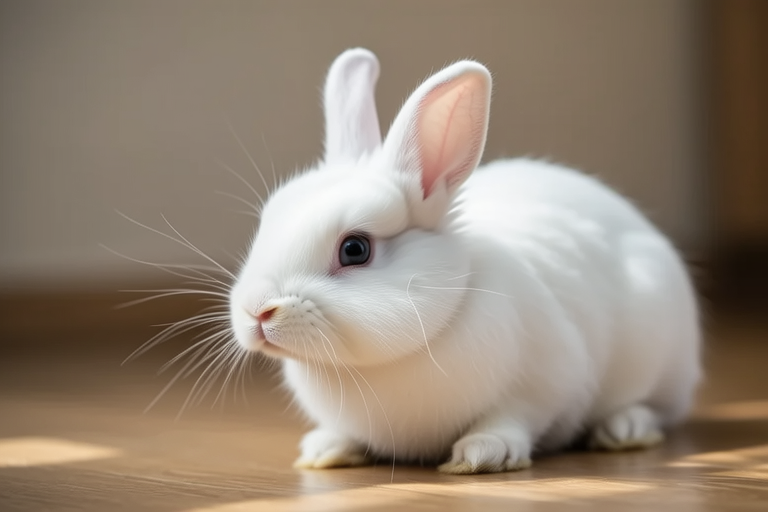
Meet the Fluffy Wonder: All About Dutch Dwarf Rabbits
Dutch Dwarf rabbits are small, charming, and delightful companions that have captured the hearts of many rabbit enthusiasts around the world. These compact, fluffy creatures are known for their unique appearance and gentle demeanor, making them perfect pets for families and first-time rabbit owners. In this article, we will explore the fascinating world of Dutch Dwarf rabbits, covering everything from their physical attributes and personalities to their care requirements and the best places to find one.
The Unique Characteristics of Dutch Dwarf Rabbits
One of the most striking features of Dutch Dwarf rabbits is their diminutive size. Typically weighing between 1.8 to 2.3 kg (4 to 5 pounds), they are one of the smallest breeds of domesticated rabbits. Their petite frame makes them easy to handle and less intimidating for children, adding to their appeal as family pets.
Their coats are another highlight, coming in a wide variety of colors and patterns. The standard Dutch Dwarf rabbit has a short, dense coat that can be white with markings on the ears, face, back, and sides, which are usually black, blue, chocolate, or lilac. However, other color combinations exist, such as red-eyed whites, blue-eyed blacks, and various tricolor patterns. These distinct color patterns contribute to their endearing appearance, earning them the nickname “the clown of the rabbit world.”
Temperament and Personality
Dutch Dwarf rabbits are known for their docile and friendly nature, making them excellent pets for both adults and children. They are generally calm, curious, and affectionate, often displaying playful behaviors that can bring joy to any household. Despite their small size, they are quite sturdy and can tolerate moderate handling, which is essential for young children who may want to interact with them.
These rabbits are intelligent and trainable, responding well to positive reinforcement techniques. With patience and consistency, you can teach your Dutch Dwarf rabbit simple commands or tricks, further strengthening the bond between you and your furry friend. Their sociable nature also means they enjoy interacting with humans and can form strong attachments to their owners.
Dietary Needs
Proper nutrition is crucial for maintaining the health and longevity of your Dutch Dwarf rabbit. A balanced diet should primarily consist of high-quality hay, such as timothy or orchard grass hay, which provides essential fiber for their digestive system. Fresh vegetables, like leafy greens (avoiding iceberg lettuce), carrots, and bell peppers, can be offered in moderation as treats. It’s important to introduce new foods gradually to prevent digestive upset.
Commercial rabbit pellets can be given in small quantities, but avoid overfeeding as they are high in calories. Always provide fresh water, either through a sipper bottle or a heavy-bottomed bowl, to ensure your rabbit stays hydrated. Regular feeding schedules and monitoring food intake help maintain a healthy weight, preventing obesity-related health issues.
Exercise Requirements
Like all rabbits, Dutch Dwarfs require ample space to move around and engage in natural behaviors. While they don’t need as much room as larger breeds, providing a spacious indoor or outdoor enclosure is essential. An appropriately sized hutch or cage should allow them to stand up fully and stretch out comfortably.
Supplemental playtime outside of their enclosure is equally important. Supervised play sessions in a rabbit-proofed area of your home or yard give them opportunities to explore, jump, and run, promoting both physical and mental stimulation. Exercise helps prevent boredom and behavioral problems, ensuring a happy and healthy rabbit.
Common Health Issues
Despite their overall hardiness, Dutch Dwarf rabbits are prone to certain health conditions. Dental issues, particularly malocclusion, are common due to their compact jaw structure. Regular dental check-ups and providing appropriate chew toys can help manage this problem. Gastrointestinal stasis, a condition where the digestive tract slows down or stops moving, is another concern. Signs include reduced appetite, lethargy, and changes in droppings. Early intervention and dietary adjustments are vital for treatment.
Otitis media, or middle ear infections, can also affect this breed. Symptoms include head tilt, loss of balance, and discharge from the ear. Prompt veterinary attention is necessary to address this issue effectively. Additionally, Dutch Dwarfs may experience respiratory infections, especially if housed in drafty or poorly ventilated areas. Maintaining clean living conditions and avoiding stressors can reduce the risk of these infections.
Caring for Your Dutch Dwarf Rabbit
Housing
Adequate housing is fundamental to the well-being of your Dutch Dwarf rabbit. An indoor hutch or cage with solid flooring and good ventilation is recommended. The enclosure should be large enough to accommodate a litter box, food and water bowls, and a resting area. Bedding materials like straw or shredded paper are preferable to wood shavings, which can cause respiratory irritation.
If you have an outdoor hutch, ensure it is secure against predators and protected from extreme weather conditions. Providing a sheltered area within the hutch can offer your rabbit protection during harsh weather. Indoor accommodations are generally safer, especially for young rabbits, and allow for closer supervision and interaction.
Grooming
Regular grooming is necessary to keep your Dutch Dwarf rabbit’s coat clean and free from mats. Brushing their fur at least once a week helps remove loose hair and prevent hairballs. During shedding seasons, which typically occur twice a year, more frequent brushing may be required.
Bathing should be avoided unless absolutely necessary, as it can strip natural oils from their skin and lead to other health issues. Instead, focus on spot cleaning and maintaining cleanliness through proper grooming practices. Trimming nails every few weeks is also important to prevent overgrowth and discomfort.
Socialization
Socializing your Dutch Dwarf rabbit is key to fostering a confident and well-adjusted companion. Introduce them to different environments and people gradually, allowing them to become comfortable with new experiences. Positive interactions, such as gentle handling and praise, encourage trust and strengthen the bond between you and your rabbit.
Providing toys and activities that stimulate their minds and bodies can also enhance socialization. Puzzle feeders, tunnels, and interactive games promote mental engagement and physical activity, contributing to a healthier and happier rabbit.
Where to Adopt or Purchase a Dutch Dwarf Rabbit
When considering adding a Dutch Dwarf rabbit to your family, adopting from a reputable rescue organization or breeder is highly recommended. Shelters often have rabbits available for adoption, and rescuing an animal in need can be incredibly rewarding. Reputable breeders prioritize the health and well-being of their rabbits, offering guidance on care and breeding practices.
Before bringing a Dutch Dwarf rabbit into your home, take time to research and prepare adequately. Ensuring you have the necessary supplies, understanding their care requirements, and being prepared for the long-term commitment involved in owning a pet are crucial steps. Responsible pet ownership involves providing a loving, safe environment where your rabbit can thrive.
In conclusion, Dutch Dwarf rabbits are delightful, lovable creatures that make wonderful companions for families and first-time rabbit owners. Their unique appearance, gentle temperament, and manageable care needs make them an excellent choice for those seeking a small, affectionate pet. By following the guidelines outlined in this article, you can ensure your Dutch Dwarf rabbit lives a happy, healthy life, bringing joy and companionship to your household for years to come.
