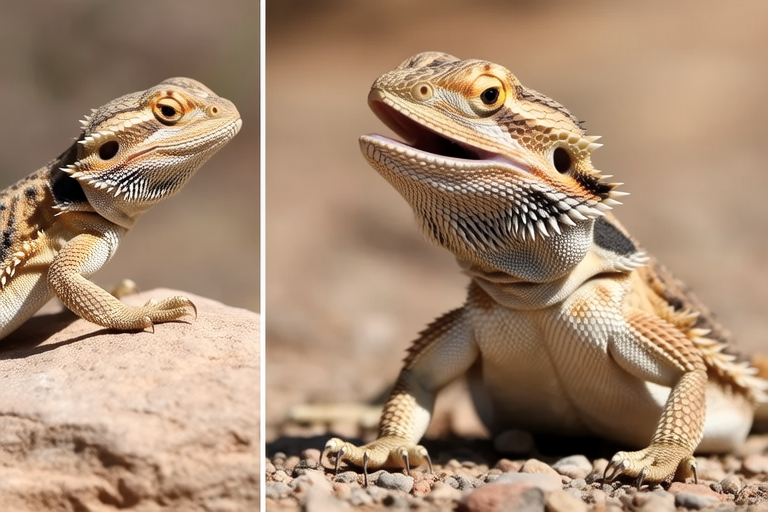
From Hatchling to Adult: The Complete Bearded Dragon Growth Journey!
Welcome to the fascinating world of bearded dragons! These captivating reptiles have become popular pets due to their docile nature, vibrant colors, and relatively low maintenance. However, like any pet, they require careful attention and specialized care to ensure they grow into healthy adults. This comprehensive guide will walk you through the developmental stages of your bearded dragon, from its first days as a hatchling to its fully grown adult stage. We’ll cover everything from habitat setup to dietary needs, expected growth rates, and behavioral changes.
The Early Days: From Egg to Hatchling
A bearded dragon’s life begins inside an egg. Once hatched, it enters the hatchling stage, which lasts until it reaches about three months old. At this point, your tiny dragon will weigh around 3 grams and measure approximately 4 inches in length. They are very fragile and require extra care.
Habitat Setup for Hatchlings
For hatchlings, a 20-gallon tank is sufficient. It’s crucial to provide a warm basking area with temperatures between 95°F and 105°F (35°C to 40°C) under a UVB light and heat lamp. Ensure there’s also a cooler side with temperatures around 75°F to 85°F (24°C to 29°C). Use a substrate that’s easy to clean and safe for small dragons, such as paper towels or reptile carpet.
Dietary Needs for Hatchlings
Hatchlings need frequent feedings of appropriately sized insects, including crickets, dubia roaches, and mealworms. Offer them food daily, but avoid overfeeding to prevent obesity. Dust their food with calcium and multivitamin supplements twice a week. Gradually introduce leafy greens like collard greens and mustard greens as they grow.
Growth Rates and Behavioral Changes
During the first three months, your bearded dragon will experience rapid growth. You can expect it to double or triple in size. As they grow, they may start showing more personality; some might even begin to recognize their owner. Keep an eye out for signs of aggression, which could indicate stress or discomfort.
Juvenile Stage: Three to Six Months Old
By the time your bearded dragon reaches six months, it will have doubled in size again. At this age, they typically weigh between 30-50 grams and measure about 8 inches long. Their diet and care requirements remain similar to those of hatchlings but with slight adjustments.
Habitat Setup for Juveniles
Maintain the same temperature gradient but consider upgrading to a larger tank if necessary. Ensure adequate space for climbing and hiding spots. Continue using UVB lighting and maintain humidity levels between 30% and 40%. Clean the enclosure regularly to prevent bacterial growth.
Dietary Needs for Juveniles
Provide a mix of insects and vegetables. Feed them insects daily, offering a variety to ensure balanced nutrition. Introduce more greens gradually, aiming for 20-30% of their diet. Monitor their weight weekly to track growth and adjust feeding accordingly.
Growth Rates and Behavioral Changes
Juvenile dragons grow quickly, often reaching their full length by six months. They become more active and curious, exploring their environment more frequently. Social interaction increases, making them easier to handle. Continue observing behavior for signs of stress or illness.
Subadult Stage: Six to Twelve Months Old
At one year old, your bearded dragon enters the subadult stage. By now, they have reached their final length, usually between 16-24 inches, depending on the species. Weight varies but averages around 400-600 grams. Their diet and care needs stabilize somewhat compared to earlier stages.
Habitat Setup for Subadults
If not already done, transition to a larger tank, ideally 40 gallons or bigger. Ensure ample space for basking, climbing, and hiding. Maintain consistent temperatures and humidity levels appropriate for their age. Regularly check the condition of the substrate and replace as needed.
Dietary Needs for Subadults
Continue feeding insects and vegetables but reduce the frequency of insect meals slightly. Aim for 5-7 days per week of insects and 2-3 days of vegetable matter. Ensure a diverse range of greens, including kale, dandelion leaves, and bell peppers. Supplement their diet with calcium and vitamin D3 regularly.
Growth Rates and Behavioral Changes
Growth slows down significantly during this period. Focus on maintaining steady weight gain rather than rapid expansion. Behaviorally, they become calmer and less exploratory. Some may show interest in social interactions, while others prefer solitude. Pay attention to mood swings and sudden changes in appetite.
Adult Stage: Twelve Months and Beyond
Once your bearded dragon turns a year old, it enters adulthood. Adults reach their maximum size and weight, typically between 18-24 inches in length and 400-600 grams. Their care requirements remain stable throughout their adult years.
Habitat Setup for Adults
Ensure a spacious enclosure that allows for comfortable movement. Provide multiple basking areas with varying temperatures. Install full-spectrum UVB lighting to support calcium absorption and overall health. Regular cleaning remains essential to prevent disease.
Dietary Needs for Adults
Feed insects every other day and offer vegetables 3-4 times weekly. Balance protein intake with plant-based foods to maintain a healthy weight. Monitor body condition closely and adjust portions as needed. Continue supplementing their diet with calcium and vitamins.
Growth Rates and Behavioral Changes
Adult dragons no longer grow in length but may gain some additional weight. Their behavior becomes more predictable, with regular routines established. They may enjoy being handled or prefer minimal interaction. Regular vet check-ups help monitor overall health.
Monitoring Development and Addressing Health Issues
To ensure your bearded dragon thrives, monitor its development closely. Check for normal growth patterns, regular bowel movements, and healthy skin coloration. Address any concerns promptly by consulting a veterinarian specializing in reptiles.
Common Health Issues
- Mouth Rot: Characterized by swelling, redness, or discharge around the mouth. Treat with antibiotics prescribed by a vet.
- Metabolic Bone Disease: Caused by insufficient calcium intake leading to weak bones. Increase calcium supplementation and consult a vet.
- Impaction: Occurs when food doesn’t pass through the digestive tract properly. Avoid overfeeding and ensure proper hydration.
Conclusion
Raising a bearded dragon from hatchling to adult is a rewarding experience filled with learning opportunities. By understanding each developmental stage and providing appropriate care, you can ensure your pet enjoys a long, healthy life. Remember, patience and consistency are key when caring for these wonderful creatures.
