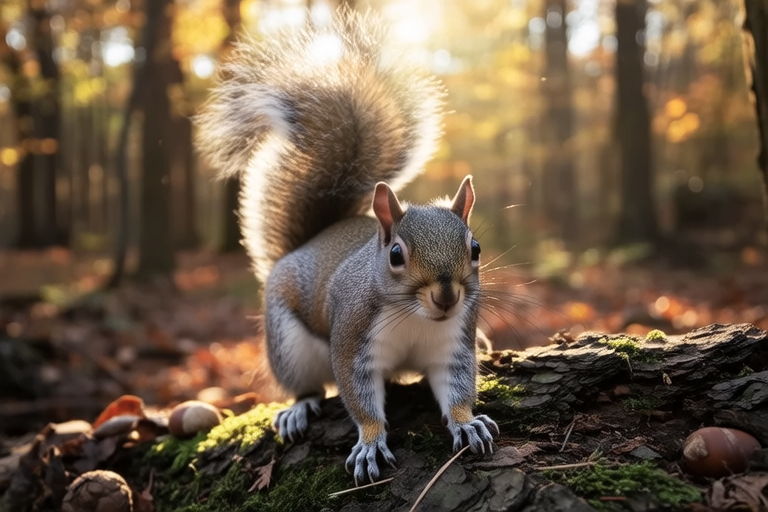
Meet Your New Neighbor: Fun Facts and Myths About Squirrels
Welcome to your neighborhood! You might already have a new furry friend living nearby without even realizing it. Squirrels, those playful and energetic creatures, are often seen scurrying around parks, backyards, and city streets. But how much do you really know about these charming rodents? Let’s dive into some fun facts and debunk some common myths about squirrels.
Where Do Squirrels Live?
Squirrels are highly adaptable animals that can thrive in various environments, from dense forests to bustling cities. They prefer habitats that provide them with ample food sources and protection from predators. In urban areas, squirrels often make their homes in tree cavities or build nests called dreys in the branches of trees. These nests are constructed from twigs, leaves, and other plant materials, providing shelter during harsh weather conditions.
In rural settings, squirrels tend to inhabit woodlands, where they find an abundance of nuts, seeds, and fruits. Their natural habitat preference for places with lots of trees and vegetation makes them ideal residents of parks and gardens. According to the National Wildlife Federation, there are over 200 species of squirrels worldwide, each adapted to its specific environment.
The Busy Lives of Squirrels
Squirrels are known for their constant activity, always running around in search of food or building their nests. This high level of activity is due to their small size and high metabolism, which require them to consume large amounts of food daily. On average, a squirrel needs to eat about one-third of its body weight in food each day. Their diet mainly consists of nuts, seeds, fruits, and occasionally insects.
One of the most fascinating behaviors of squirrels is their ability to cache or store food for later consumption. They have an excellent memory and can remember the location of thousands of hidden caches. This skill helps them survive during times when food is scarce. However, not all cached food is recovered; some caches serve as a source of new seedlings, contributing to forest regeneration.
Dietary Habits of Squirrels
Squirrels are primarily herbivores, feeding on a wide variety of plant-based foods. Their diet includes nuts, seeds, fruits, and even tree bark. However, they are also opportunistic feeders and may supplement their diet with small insects, bird eggs, or nestlings if available. Despite their reputation as nut lovers, squirrels actually eat more than just nuts. They enjoy a diverse diet that changes seasonally.
During spring and summer, squirrels feast on fresh fruits and vegetables, while in autumn, they focus on storing nuts and seeds for winter. Some species, like the eastern gray squirrel, are particularly fond of acorns and hickory nuts. Squirrels play a crucial role in seed dispersal, helping to maintain the health and diversity of forests by burying and forgetting some of their caches.
Squirrels and Humans: Friends or Foes?
Many people view squirrels as cute and harmless backyard visitors, while others consider them pests that damage gardens and spread diseases. The truth lies somewhere in between. While squirrels can cause minor damage to plants and bird feeders, they rarely pose significant threats to human health or property.
Squirrels are generally not aggressive towards humans and prefer to avoid direct contact. However, they may become bold if they associate people with food sources, such as bird feeders or garbage cans. To prevent conflicts, it’s best to secure trash bins and remove any attractants from your yard. Feeding squirrels directly is discouraged as it can lead to dependency and disrupt natural behaviors.
Fun Facts About Squirrels
Did you know that squirrels can jump up to ten feet in a single leap? Their powerful hind legs and bushy tails help them navigate through trees with remarkable agility. Squirrels are also incredibly fast runners, reaching speeds of up to 20 miles per hour. Their keen sense of smell allows them to detect food buried beneath several inches of soil.
Another interesting fact is that squirrels are highly social animals within their own species but tend to be solitary when interacting with other animals. They communicate using a variety of vocalizations and body language, including chattering teeth, tail flicks, and postures. Squirrels are also known for their problem-solving skills, often outsmarting traps set by researchers studying their behavior.
Common Myths About Squirrels
There are many misconceptions surrounding squirrels, some of which we will address here:
- Myth: Squirrels Hibernate During Winter
While it’s true that some squirrel species, like ground squirrels, enter a state of dormancy similar to hibernation, tree squirrels do not hibernate. Instead, they remain active throughout the year, though their activity levels may decrease during cold weather. Tree squirrels rely on stored food and insulated nests to survive winter months. - Myth: All Squirrels Eat Nuts
Although nuts form a significant part of a squirrel’s diet, they also consume seeds, fruits, and other plant matter. Squirrels are omnivorous and may eat insects, bird eggs, and nestlings when plant-based food is scarce. Their diet varies depending on the season and availability of resources. - Myth: Squirrels Are Destructive Pests
While squirrels can sometimes cause damage to gardens and bird feeders, they rarely cause significant harm. In fact, squirrels contribute positively to ecosystems by dispersing seeds and controlling insect populations. Their presence in urban areas can even reduce the number of mosquitoes and ticks.
How to Coexist with Squirrels
Living alongside squirrels doesn’t have to be problematic. By understanding their behavior and needs, you can create a harmonious relationship with these delightful creatures. Here are some tips for coexisting with squirrels:
- Create a Safe Space
Plant native trees and shrubs in your garden to provide squirrels with natural food sources and shelter. This reduces their need to seek out alternative food sources, such as birdseed or garden produce. - Secure Your Trash
Ensure that garbage cans are tightly sealed and inaccessible to squirrels. This prevents them from rummaging through trash and reduces the likelihood of attracting other unwanted pests. - Be Patient and Respectful
Observe squirrels from a distance and respect their space. Avoid feeding them directly, as this can lead to dependency and alter their natural behaviors.
Conclusion
Squirrels are fascinating creatures that add charm and excitement to our neighborhoods. By learning more about their behavior, habitat preferences, and dietary habits, we can better understand and appreciate these intelligent animals. Remember, squirrels are not pests but rather valuable members of our ecosystem. So next time you see a squirrel darting across your yard, take a moment to admire its agility and curiosity. Who knows, you might even strike up a friendship!
