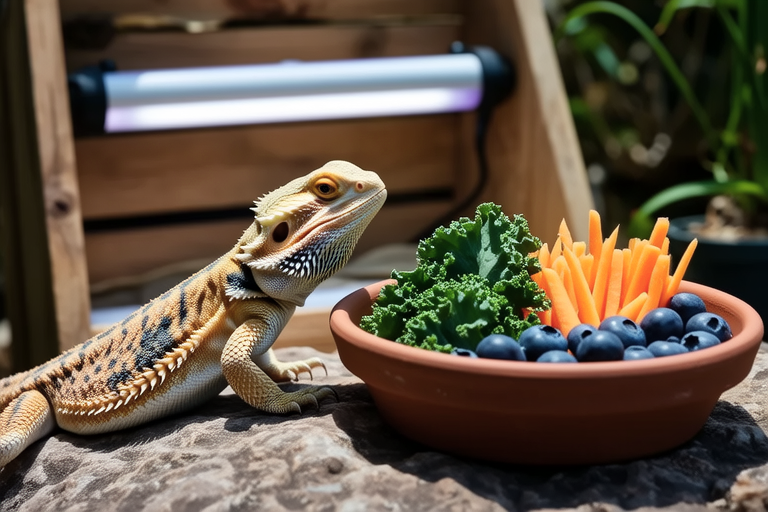
DIY Bearded Dragon Feeding Guide: Innovative and Practical Tips
Welcome to your comprehensive DIY bearded dragon feeding guide! Whether you’re a first-time owner or an experienced reptile enthusiast, this guide will provide you with innovative and practical tips to ensure your bearded dragon’s diet is balanced, nutritious, and tailored to their specific needs. By following these guidelines, you’ll not only enhance your pet’s health but also contribute to their overall happiness.
Creating Balanced Diets
The foundation of a healthy bearded dragon lies in a well-balanced diet. A balanced diet consists of a variety of nutrients that cater to their specific needs, including proteins, vitamins, minerals, and water. Bearded dragons are omnivores, meaning they require both plant-based and animal-based foods.
- Proteins: Essential for growth and muscle maintenance. Good sources include crickets, mealworms, and dubia roaches.
- Vitamins and Minerals: Calcium, phosphorus, vitamin D3, and other essential vitamins are crucial for bone development and overall health.
- Water: Although bearded dragons get most of their hydration from their food, it’s important to provide fresh water daily.
To create a balanced diet, consider the following ratios:
- Young bearded dragons (up to 6 months): 80% insects, 20% vegetables
- Adult bearded dragons (over 6 months): 50% insects, 50% vegetables
Remember, consistency is key. Regularly changing the types of food can lead to deficiencies or excesses in certain nutrients.
Preparing Homemade Meals
Preparing homemade meals for your bearded dragon can be both fun and rewarding. It allows you to control the quality and freshness of the ingredients, ensuring your pet receives optimal nutrition. Here are some practical tips for preparing homemade meals:
Insect Preparations
Before offering insects to your bearded dragon, it’s essential to gut-load them. Gut-loading involves feeding the insects a nutritious diet rich in vitamins and minerals before offering them to your pet. This ensures that the nutrients are transferred to your bearded dragon when they consume the insects.
For example, feed crickets a mix of fruits, vegetables, and commercial cricket food. Dubia roaches can be fed a similar diet, but they also benefit from calcium supplements. Gut-loaded insects are a vital component of a balanced diet, as they provide essential nutrients that may be lacking in the insects themselves.
Vegetable Preparations
Bearded dragons thrive on a variety of leafy greens and vegetables. Some recommended options include collard greens, mustard greens, dandelion greens, and squash. However, it’s important to avoid feeding them iceberg lettuce, as it lacks nutritional value and can cause digestive issues.
To prepare vegetables, wash them thoroughly to remove any pesticides or dirt. Chop them into bite-sized pieces appropriate for your dragon’s size. You can also lightly steam or blanch vegetables to make them easier to digest. Always ensure the vegetables are cool before serving to prevent burns.
For added nutrition, dust the vegetables with a calcium supplement. This helps prevent metabolic bone disease, a condition caused by calcium deficiency that can lead to weak bones and fractures.
Ensuring Nutritional Needs Are Met
Bearded dragons have specific nutritional requirements that must be met to maintain their health. These include:
Calcium and Phosphorus Balance
Calcium is critical for bone health, while phosphorus can interfere with calcium absorption if not balanced properly. The ideal ratio of calcium to phosphorus is 2:1. Foods high in phosphorus, such as spinach and broccoli, should be fed in moderation.
Supplementing with calcium powder is essential, especially for young bearded dragons. Dust their food with calcium powder every other day, and reduce the frequency as they age. For adult dragons, dust their food twice a week.
Vitamin D3
Vitamin D3 plays a crucial role in calcium absorption. Bearded dragons produce vitamin D3 through exposure to UVB light. Ensure your dragon has access to a high-quality UVB light source for 10-12 hours per day. Additionally, you can supplement their diet with vitamin D3 drops once a week.
Amino Acids
Bearded dragons require 22 amino acids, nine of which are essential and must be obtained through their diet. Insects like crickets and dubia roaches are excellent sources of these essential amino acids. Offering a variety of insect species ensures a broad spectrum of amino acids.
Safe Handling of Food Items
Handling food items safely is crucial to prevent contamination and ensure your bearded dragon’s health. Follow these guidelines:
Hygiene Practices
Wash your hands before and after handling food or your bearded dragon. Use separate utensils for different food types to avoid cross-contamination. Store food in airtight containers to prevent spoilage and contamination.
Food Safety
Ensure all food items are fresh and free from pesticides. Purchase insects from reputable suppliers who prioritize hygiene and safety. Avoid feeding wild-caught insects, as they may carry parasites or harmful substances.
Feeding Environment
Feed your bearded dragon in a clean, designated area. Remove uneaten food promptly to prevent spoilage and potential health risks. Clean the feeding area regularly to maintain hygiene.
Common Feeding Mistakes to Avoid
Even experienced reptile owners can make mistakes when feeding their bearded dragons. Here are some common errors to avoid:
Overfeeding
Overfeeding can lead to obesity and related health issues. Be mindful of portion sizes and feeding frequency. Young bearded dragons should be fed daily, while adults can be fed every other day.
Incorrect Supplement Ratios
Misusing supplements can lead to imbalances in calcium and phosphorus. Follow the recommended dosages and frequencies for calcium and vitamin D3 supplements. Over-supplementation can cause health problems, so err on the side of caution.
Lack of Variety
Feeding the same food items repeatedly can result in nutrient deficiencies. Offer a wide range of insects and vegetables to ensure your dragon receives all necessary nutrients.
The Benefits of DIY Methods
Adopting DIY methods for feeding your bearded dragon offers numerous benefits:
Cost-Effective
Preparing homemade meals can be more cost-effective than purchasing pre-packaged food. Buying bulk quantities of vegetables and insects can significantly reduce expenses.
Controlled Quality
By preparing meals yourself, you have complete control over the quality and freshness of the ingredients. This ensures your dragon receives optimal nutrition and minimizes the risk of contamination.
Personalized Care
DIY feeding allows you to tailor your dragon’s diet to their specific needs and preferences. This personalized approach fosters a stronger bond between you and your pet, enhancing their overall well-being.
Conclusion
By following this DIY bearded dragon feeding guide, you’ll be well-equipped to provide your pet with a balanced, nutritious diet. Remember, a healthy diet is the cornerstone of a happy, thriving bearded dragon. Stay informed about the latest research and recommendations, and always consult with a veterinarian or reptile specialist if you have concerns about your dragon’s health.
