Unveiling the Majestic Beauty of Persian Cats: A Complete Care Guide
Welcome to the enchanting world of Persian cats! Renowned for their luxurious coats and gentle dispositions, these felines have captivated hearts for centuries. This comprehensive guide will delve into the history, appearance, temperament, and care requirements of Persian cats, providing you with all the information needed to welcome one of these regal creatures into your home.
A Historical Journey
The origins of Persian cats can be traced back to ancient Persia (modern-day Iran), where they were cherished for their striking appearance and serene demeanor. These elegant felines were initially brought to Europe by Italian traders during the 17th century and quickly became a favorite among nobility. Over time, Persian cats have evolved through selective breeding, resulting in the distinctive traits we see today.
Distinctive Appearance
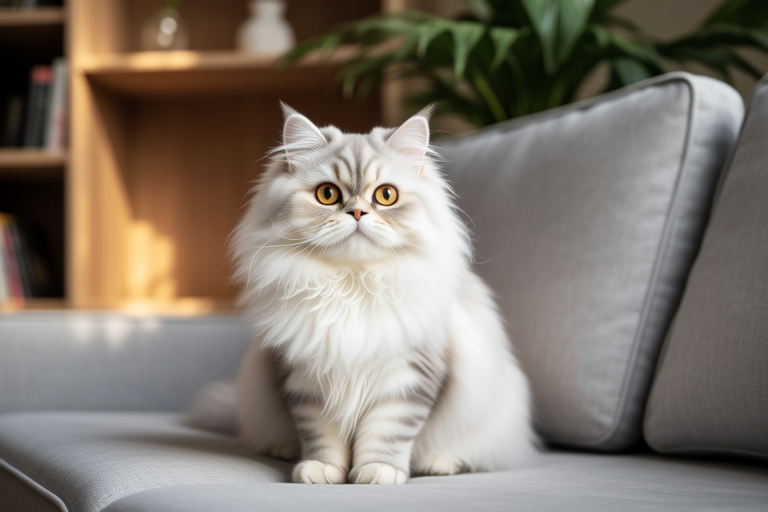
Persian cats are easily recognizable by their long, flowing coats that come in a wide array of colors and patterns. Their large, round eyes and small, rounded ears give them an almost doll-like appearance. The breed’s hallmark feature is its plush, silky coat, which requires regular grooming to maintain its lustrous sheen. Their faces are characterized by short noses and full cheeks, adding to their unique charm.
Temperament and Suitability as Pets
Persians are known for their calm and affectionate nature, making them ideal companions for households seeking a peaceful and loving pet. They tend to be more relaxed compared to other breeds, enjoying quiet moments and gentle interactions. Due to their laid-back personalities, Persians are particularly well-suited for families with young children or elderly individuals who appreciate a low-maintenance, serene companion.
Dietary Needs
Providing a balanced diet is crucial for maintaining your Persian cat’s health and vitality. High-quality commercial cat foods designed for indoor or senior cats are recommended, as they offer the necessary nutrients tailored to your cat’s specific dietary requirements. It’s important to avoid overfeeding, as Persians are prone to obesity, which can lead to various health issues such as diabetes and arthritis. Regularly monitoring your cat’s weight and adjusting portions accordingly will help keep them healthy and active.
Grooming Essentials
Due to their thick, luxurious coats, Persian cats require frequent grooming to prevent matting and skin irritations. Daily brushing with a slicker brush or comb is essential to remove loose hair and distribute natural oils throughout the fur. Additionally, bathing your Persian every few months can help keep their coat clean and free from dirt and debris. Pay special attention to areas around the face, ears, and paws during grooming sessions to ensure thorough cleanliness.
Health Considerations
While generally healthy, Persian cats are susceptible to certain genetic conditions due to their unique physical characteristics. Polycystic kidney disease (PKD) is a common issue affecting many Persians, leading to the development of cysts within the kidneys. Regular veterinary check-ups and early intervention can help manage this condition effectively. Other potential health concerns include respiratory problems caused by their flattened faces, so it’s vital to monitor for any signs of breathing difficulties and consult a vet promptly if noticed.
Exercise Needs
Despite their inactive nature, Persians still require moderate levels of physical activity to stay fit and engaged. Interactive toys, scratching posts, and designated playtime sessions can provide mental stimulation and encourage gentle movement. Incorporating puzzle feeders or laser pointers into play routines can also enhance cognitive function while promoting physical exercise. Ensuring your Persian has access to safe, stimulating environments will contribute to their overall wellbeing.
Selecting the Right Persian Cat
When considering adopting a Persian cat, it’s important to research reputable breeders who prioritize the health and happiness of their animals. Visiting catteries and meeting the parents of the kittens can give you insight into their temperament and care standards. Once you’ve found a suitable breeder, spend time bonding with the kitten before bringing them home to ensure compatibility. Adopting from shelters or rescue organizations is another rewarding option, offering a chance to provide a loving home to a deserving Persian.
Integrating Your Persian into Family Life
Welcoming a Persian cat into your household involves creating a welcoming and comfortable environment. Designate specific areas for sleeping, eating, and playing to establish a routine that promotes security and predictability. Introduce new pets gradually, allowing ample time for acclimation. Providing toys, scratching posts, and climbing structures can enrich their living space, encouraging exploration and interaction. Remember, patience and consistency are key when integrating a new member into your family, ensuring a smooth transition for everyone involved.
In conclusion, Persian cats offer an unparalleled combination of beauty, grace, and companionship. By understanding their unique needs and providing attentive care, you can ensure a lifetime of joy and fulfillment for both you and your feline friend. Whether you’re a seasoned pet owner or embarking on this journey for the first time, embracing the majesty of a Persian cat promises to be an enriching experience filled with love and laughter.
