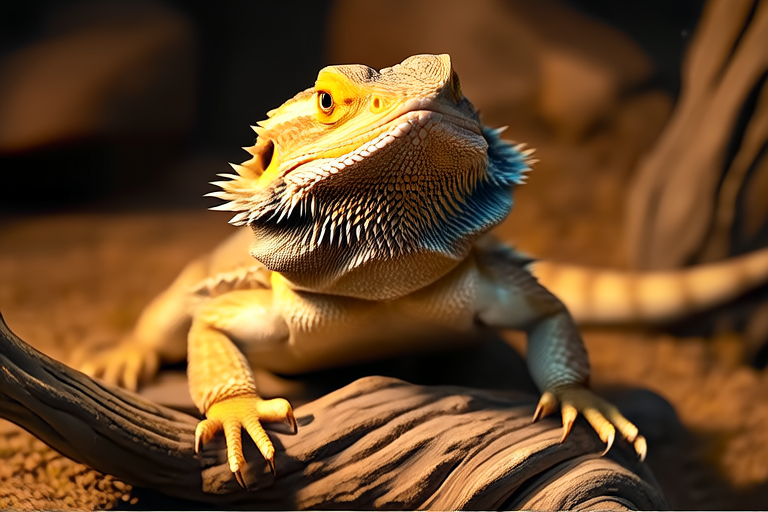
Uncover the Mysteries of Bearded Dragon Body Language
Welcome to the fascinating world of bearded dragon behavior! These charismatic reptiles are not just captivating with their unique appearance but also express themselves through a variety of physical cues and behaviors. Understanding your bearded dragon’s body language can greatly enhance your bond with them and help you provide the best care possible. This article will guide you through the intricacies of interpreting their posture, color changes, and facial expressions to better understand their mood, health, and intentions.
The Basics: What You Need to Know
Before diving into specific behaviors, it’s essential to understand some basic concepts about bearded dragons. These lizards are native to the deserts of Australia, where they’ve developed certain behaviors as survival mechanisms. Their body language serves multiple purposes, from communicating with other dragons to signaling their state of well-being or discomfort.
Bearded dragons have several distinct features that play crucial roles in their communication. The most notable is the beard itself – the expandable throat pouch located under their chin. When flared out, it can change color, which is often associated with stress, aggression, or mating displays. Additionally, bearded dragons can alter their skin color slightly, which may indicate their emotional state or environmental conditions.
Common Postures and Their Meanings
Head Bobbing
One of the most striking behaviors observed in bearded dragons is head bobbing. This action involves the lizard rapidly lowering and raising its head in a repetitive motion. Head bobbing is primarily seen in males during courtship displays or when establishing dominance over other males. However, females might occasionally perform this gesture as well, especially if they feel threatened.
In a domestic setting, if your bearded dragon starts head bobbing, it could mean different things depending on the context. For instance, it might be trying to assert itself against another pet or even you, the owner. Alternatively, it could simply be displaying territorial behavior within its enclosure. It’s important to observe other accompanying signs to accurately interpret this behavior.
Basking Posture
Bearded dragons spend a significant amount of time basking under heat lamps or natural sunlight. While basking, they assume characteristic postures that reflect their comfort level and energy levels. A relaxed dragon will stretch out fully on a warm surface with limbs splayed wide apart. In contrast, a more alert or active dragon may sit upright with legs tucked beneath its body.
Owners should pay attention to how long their pet spends in each position because prolonged periods of either extreme (too much time stretched out or too much time sitting up) could signal issues related to temperature regulation or general health. Ensuring proper heating and lighting setups can prevent such problems and promote optimal basking habits.
Color Changes: More Than Just Pretty Skin
Stress and Aggression
One of the most dramatic ways bearded dragons communicate their feelings is through color shifts. When stressed or feeling aggressive, many species darken their overall pigmentation, sometimes appearing almost black. This darkening helps absorb more heat from the environment, providing extra warmth needed for defensive actions like fleeing predators or preparing for combat.
If your dragon suddenly turns very dark, especially around the face and neck area, it might be experiencing anxiety due to unfamiliar stimuli such as loud noises, sudden movements, or new objects introduced into its habitat. In such cases, removing potential triggers and giving your pet some space can help calm down.
Mating Displays
During breeding season, male bearded dragons display vibrant colors as part of their courtship rituals. Typically, the male’s throat becomes brightly colored—often shades of orange, red, or yellow—while his entire body takes on a lighter hue compared to usual resting states. Females responding positively to these advances will also show similar patterns of coloration.
Understanding these visual signals allows owners to recognize when their pets might be ready for mating activities and take necessary precautions accordingly. For example, separating opposite-sex pairs before they reach maturity prevents unwanted pregnancies and ensures safe interactions between individuals.
Facial Expressions: Reading Between the Lines
Beard Flaring
As mentioned earlier, the beard plays a vital role in non-verbal communication among bearded dragons. When fully extended, it appears larger and puffier than normal, resembling a fluffy collar around the throat. Alongside this expansion, the beard can turn darker shades of brown or black, intensifying its intimidating effect.
This behavior usually indicates heightened emotions ranging from excitement to fearfulness. For instance, a young dragon encountering something unfamiliar for the first time might flare its beard out of surprise rather than hostility. Conversely, an adult male defending its territory would likely adopt this stance more aggressively towards intruders.
Eye Bulging
Another noticeable facial expression involves bulging eyes. Bearded dragons sometimes push their eyeballs outward from their sockets, creating a distinctive look. This action typically occurs when the lizard feels threatened or excited about something nearby. Owners should monitor this behavior closely since persistent eye bulging without obvious cause could suggest underlying medical concerns requiring veterinary attention.
Interpreting Your Pet’s Signals
Now that we’ve covered several key aspects of bearded dragon body language let’s discuss how you can apply this knowledge practically. First and foremost, always approach your pet calmly and slowly, allowing it time to adjust to your presence. If your dragon shows signs of distress (e.g., rapid breathing, hiding behind rocks), back off gently and give it some privacy until it feels secure again.
Additionally, maintaining regular check-ups with a veterinarian who specializes in exotic animals ensures any subtle changes in behavior aren’t overlooked. Early detection of health issues often leads to quicker treatment and better outcomes. Furthermore, providing enrichment opportunities like climbing structures, digging areas, and interactive toys encourages positive engagement and reduces stress levels.
Tips for Responding Appropriately
Respect Personal Space
While bonding with your bearded dragon is rewarding, respecting its personal boundaries remains paramount. Avoid handling excessively unless absolutely necessary, particularly right after feeding times when digestion requires minimal disturbance. Instead, engage in gentle petting sessions along the back or tail where tactile sensations are less sensitive.
Encourage Natural Behaviors
Create an environment conducive to natural behaviors by incorporating elements found in their wild habitats. Provide ample hiding spots, varied terrain surfaces, and appropriate lighting cycles mimicking day-night transitions. Doing so promotes mental stimulation and physical exercise, contributing to overall happiness and longevity.
Conclusion
Deciphering the mysteries of bearded dragon body language opens doors to deeper connections with these remarkable creatures. By recognizing and responding appropriately to their signals, you foster trust and mutual respect while ensuring their wellbeing. Remember, every interaction counts; therefore, approach each moment thoughtfully and patiently. With practice, understanding your bearded dragon’s unique personality becomes second nature, enriching both lives immeasurably.
