Beyond the Shell: 7 Surprising Facts About Hermit Crabs
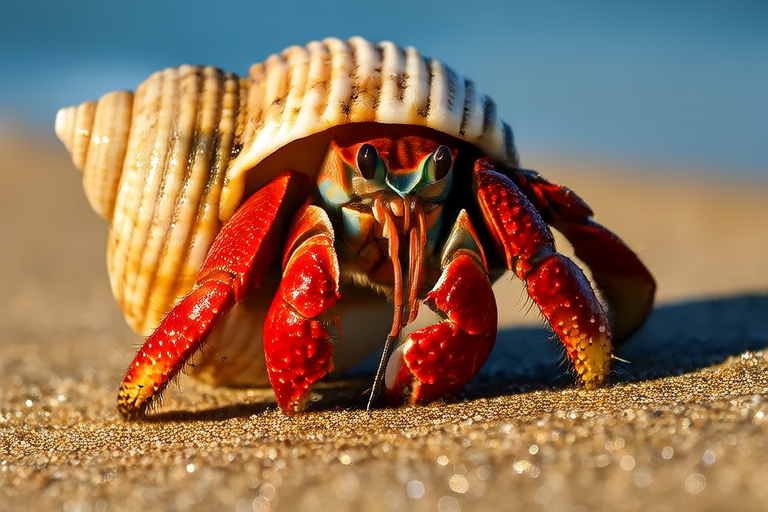
Hermit crabs are one of nature’s most intriguing creatures, known for their unique lifestyle and quirky behaviors. Unlike other crabs that have hard shells on their backs, hermit crabs have soft, vulnerable abdomens. To protect themselves, they seek out empty snail shells, which they carry around as portable homes. This adaptation has allowed them to thrive in diverse environments across the world, from tropical beaches to freshwater streams. Despite their small size, hermit crabs play significant roles in their ecosystems and have some surprising characteristics that make them fascinating subjects of study. Let’s dive into seven surprising facts about these charming crustaceans.
Fact 1: Shell-Changing Behavior
One of the most remarkable aspects of hermit crab life is their shell-changing behavior. As hermit crabs grow, they must periodically find larger shells to accommodate their expanding bodies. This process can be both exciting and perilous for the crabs. When a suitable shell becomes available, several hermit crabs may compete for it. These competitions often involve complex interactions, where crabs may push each other away or even form chains to swap shells simultaneously. Researchers have observed that hermit crabs can be quite strategic in their shell selection, preferring those with better symmetry and more space. A study published in Animal Behaviour found that hermit crabs are more likely to choose shells that match the shape of their body, suggesting a level of discernment that aids in their survival.
Fact 2: Social Habits
Contrary to popular belief, hermit crabs are not solitary creatures. In fact, they are highly social and often live in close-knit communities. These communities can consist of hundreds or even thousands of individuals, all sharing the same environment. Hermit crabs communicate through chemical signals, touch, and vibrations. They work together to find food, defend against predators, and even assist each other in changing shells. A study conducted at the University of California, Berkeley, revealed that hermit crabs exhibit altruistic behavior, sometimes offering a new shell to a smaller crab, even if it means they themselves will need to search for another. This cooperative behavior underscores the importance of community in hermit crab societies.
Fact 3: Dietary Needs
Hermit crabs are omnivores, meaning they eat both plant and animal matter. Their diet can vary widely depending on their habitat and availability of resources. In the wild, hermit crabs consume algae, dead fish, and decaying plant material. However, they also show a preference for fruits and vegetables, particularly those high in moisture content. Studies have shown that hermit crabs are attracted to certain smells, such as those emitted by ripe fruits. This preference for sweet and salty foods can sometimes lead to conflicts between humans and hermit crabs, especially in coastal areas where they may scavenge for human food waste. Understanding their dietary preferences is crucial for anyone considering keeping hermit crabs as pets, as providing a balanced diet can significantly impact their health and longevity.
Fact 4: Natural Habitats
Hermit crabs inhabit a wide range of environments, from tropical coral reefs to temperate coastlines. Some species are even adapted to freshwater habitats, making them one of the most versatile crustaceans in terms of habitat preference. The most common hermit crabs found in pet stores are terrestrial species, but many others are fully aquatic. For example, the coconut crab, the largest land-living arthropod, is a hermit crab species that has evolved to no longer require shells for protection as it grows. Instead, its abdomen hardens as it matures, allowing it to live freely on land. The diversity of hermit crab habitats reflects their adaptability and resilience, making them a vital part of various ecosystems.
Fact 5: Migration Patterns
Hermit crabs are known to undertake impressive migrations, often traveling long distances in search of better living conditions or food sources. One of the most notable examples is the mass migration of hermit crabs on Christmas Island in Australia. Every year, millions of red crabs migrate from the forest to the coast to breed and release their eggs into the ocean. This migration can cover up to five kilometers and lasts for several weeks. During this time, the crabs face numerous challenges, including crossing roads and navigating obstacles created by human activity. Scientists studying these migrations have noted that climate change and environmental alterations pose significant threats to these ancient rituals, potentially disrupting the reproductive cycles of hermit crab populations.
Fact 6: Sensory Abilities
Hermit crabs possess an array of sensory capabilities that help them navigate their environments and avoid danger. Their antennae are highly sensitive, allowing them to detect changes in water quality and temperature. Additionally, hermit crabs can sense vibrations through their legs, helping them detect potential threats or opportunities for food. Recent research has also indicated that hermit crabs can perceive light levels, which they use to regulate their daily activities. Interestingly, hermit crabs have been observed to be more active during low tide, when they can venture further from the water’s edge in search of food. Understanding their sensory abilities can provide valuable insights into how hermit crabs interact with their surroundings and how we might better protect them.
Fact 7: Role in Ecosystems
Hermit crabs play crucial roles in maintaining the balance of their ecosystems. By scavenging on dead organisms, they help recycle nutrients and contribute to the decomposition process. In marine environments, hermit crabs are important prey for larger animals, such as fish and birds, thus playing a key role in the food chain. Additionally, their presence in coral reefs can influence the growth of algae and other organisms. A study published in Marine Biology found that hermit crabs can reduce the abundance of certain harmful algae, thereby promoting healthier reef environments. Recognizing the ecological importance of hermit crabs highlights the need for conservation efforts aimed at protecting their habitats and ensuring their continued existence.
Conclusion: Respecting Our Crustacean Friends
Hermit crabs are truly remarkable creatures, with unique behaviors and adaptations that continue to fascinate scientists and nature enthusiasts alike. From their strategic shell selection to their complex social structures, these little crustaceans offer endless opportunities for learning and discovery. If you’re considering keeping hermit crabs as pets, it’s essential to prioritize their well-being by providing appropriate housing, a varied diet, and ample space for exploration. Always remember to respect these creatures in their natural environments and support conservation initiatives aimed at preserving their habitats. By doing so, we can ensure that future generations will have the opportunity to marvel at the wonders of hermit crabs.
