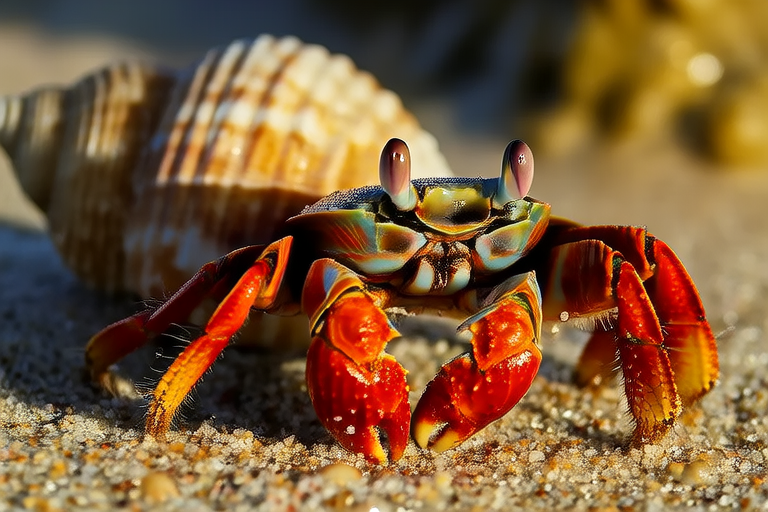
Uncovering the Mysterious World of Hermit Crabs: Facts and Myths
Hermit crabs are among the most intriguing creatures in the ocean, known for their unique habit of living inside discarded mollusk shells. These fascinating crustaceans have captivated the imagination of humans for centuries, often being the subject of curiosity and wonder. In this article, we will delve into the mysterious world of hermit crabs, exploring their species, habitats, dietary needs, and addressing some common misconceptions.
The Unique Shell-Living Habit
Hermit crabs are known for their remarkable adaptation of living within empty seashells. This behavior serves multiple purposes: protection from predators, shelter from harsh environmental conditions, and a means to avoid desiccation. As they grow, hermit crabs outgrow their shells and must find larger ones. This often leads to a bustling exchange market within the crab community, where individuals compete for better accommodations.
Varieties of Hermit Crabs and Their Natural Habitats
There are over 1,000 species of hermit crabs worldwide, ranging from tiny to large sizes. Some of the most commonly known species include the Coenobita clypeatus, or the Caribbean hermit crab, which can be found on beaches and mangrove forests throughout the Caribbean region. Another popular species is the Coenobita brevimanus, also known as the Ecuadorian hermit crab, native to the Pacific coast of Ecuador.
These crabs thrive in tropical and subtropical environments, preferring sandy beaches, rocky shores, and coastal forests. They are versatile in their habitat preferences, from shallow waters to land, depending on the species. For instance, land hermit crabs like the Coenobita compressus are primarily terrestrial and live in coastal regions, while others prefer to stay close to the water’s edge.
Dietary Needs
Hermit crabs are omnivorous scavengers, feeding on a wide variety of organic matter. Their diet includes dead animals, algae, fungi, and decaying plant material. In the wild, they play a crucial role in breaking down organic waste, contributing to the ecological balance of their habitats.
In captivity, providing a balanced diet is essential for their health. A nutritious diet for hermit crabs includes fresh fruits, vegetables, and proteins like fish or shrimp. It is important to ensure that the food offered is free from pesticides and preservatives, as these can be harmful to the crabs.
Debunking Common Myths
Myth: Hermit Crabs Are Solitary Creatures
One of the most prevalent misconceptions about hermit crabs is that they are solitary beings. In reality, hermit crabs are social animals that thrive in groups. They often gather in large numbers around food sources or during mating seasons, demonstrating complex social behaviors. Observations of hermit crabs in the wild show that they communicate through touch and sound, further emphasizing their social nature.
Myth: Hermit Crabs Have an Extremely Long Lifespan
Another myth is that hermit crabs can live up to 70 years. While there is no concrete evidence to support this claim, it is believed that hermit crabs in the wild can live between 10 to 40 years. The lifespan of hermit crabs in captivity can vary widely, often shorter than in the wild due to factors such as stress, poor nutrition, and inadequate housing.
Challenges in Captivity
Keeping hermit crabs as pets presents several challenges. One major issue is providing adequate space and resources for them. Hermit crabs need a spacious tank with plenty of climbing structures, hiding spots, and a variety of shells for molting. Inadequate conditions can lead to stress, illness, and even death.
Another challenge is ensuring proper humidity levels. Hermit crabs require high humidity to prevent dehydration. Maintaining the right humidity level requires regular misting and the use of a humidifier. Additionally, the substrate used in their tanks should be safe and non-toxic, as hermit crabs often burrow and ingest small amounts of substrate.
Tips for Pet Owners
If you’re considering keeping hermit crabs as pets, there are several key points to keep in mind. First, prioritize ethical considerations by sourcing your crabs from reputable breeders rather than wild-caught populations. This helps protect wild hermit crab populations and ensures that your pets are healthy and well-adapted to captivity.
Provide a suitable habitat that mimics their natural environment as closely as possible. This includes a spacious tank, appropriate substrate, and a variety of shells for molting. Regular maintenance of the tank is crucial to ensure the health and well-being of your hermit crabs. This includes cleaning the tank, replenishing food and water, and monitoring humidity levels.
Lastly, be prepared for the long-term commitment involved in caring for hermit crabs. They require ongoing attention and care, including regular feeding, tank maintenance, and observation for signs of illness or stress. By understanding and meeting their needs, you can provide a fulfilling life for your hermit crabs.
