Bengal Cats: The Perfect Blend of Wild and Domestic
Bengal cats have captured the hearts of cat lovers around the world with their striking appearance and unique personalities. These felines are a fascinating blend of wild and domestic traits, making them stand out from other breeds. In this article, we will explore the origins, physical attributes, and behavioral characteristics of Bengal cats, as well as provide tips for potential owners on how to care for and train these remarkable creatures.
The Origins of Bengal Cats
Bengal cats are the result of crossbreeding between Asian leopard cats (Prionailurus bengalensis) and domestic cats. This breeding process began in the 1960s with the goal of creating a domestic cat that retained some of the wild traits of its ancestors. Over several generations, breeders refined the Bengal breed, resulting in a cat that is both visually stunning and temperamentally suitable for home life.
Asian leopard cats, native to South and Southeast Asia, are small wildcats known for their beautiful spotted coats and agility. By introducing genes from these wildcats into the domestic cat population, breeders aimed to produce a cat that would possess the exotic looks of its wild relatives while maintaining the friendly and adaptable nature of domesticated animals. Today, Bengal cats are recognized by various cat registries and have become one of the most popular breeds among cat enthusiasts.
Physical Characteristics
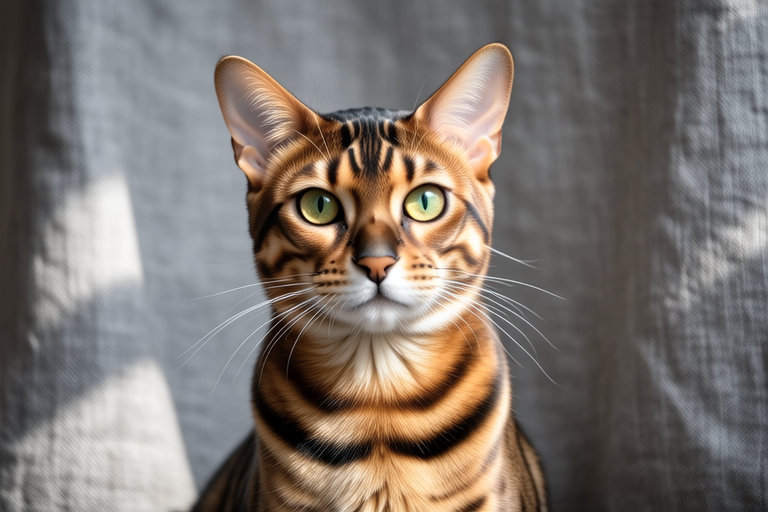
One of the most striking features of Bengal cats is their sleek, muscular bodies and luxurious coats. Their fur is often described as having a ‘glitter’ effect, which makes them appear even more vibrant under light. Bengals come in a variety of colors, including brown, silver, charcoal, and snow, but they are best known for their distinctive rosette patterns—rounded spots that resemble the markings of leopards.
Another notable characteristic of Bengal cats is their large, expressive eyes. Typically almond-shaped and set wide apart, their eyes can be green, gold, or copper, depending on the coat color. These captivating eyes contribute to the cat’s overall wild appearance, giving it an almost mystical quality. Additionally, Bengal cats have strong, athletic builds that reflect their wild ancestry. They are agile climbers and excellent jumpers, capable of reaching great heights.
Behavioral Traits
Bengal cats are renowned for their energetic and playful nature. They are highly intelligent and curious, often engaging in activities that challenge their minds and bodies. These cats enjoy interactive play sessions with toys, especially those that mimic prey, such as feather wands or laser pointers. Their playful demeanor is reminiscent of their wild ancestors, who would hunt for food in their natural habitats.
In addition to being active, Bengal cats are also very social. They tend to form strong bonds with their human companions and can be quite affectionate. However, their need for attention and interaction means that they may not be suited for households where they would be left alone for long periods. Bengal cats thrive when they have regular opportunities to engage with their owners through play, cuddling, and grooming.
Despite their wild appearance and behavior, Bengal cats are generally good-natured and adaptable. They can coexist peacefully with other pets, including dogs, provided they are introduced properly. Early socialization is key to ensuring that Bengal cats get along well with other animals in the household. With proper care and attention, Bengal cats can make wonderful companions for families or individuals seeking an active and interactive pet.
Tips for Potential Owners
If you’re considering adding a Bengal cat to your family, there are several important factors to keep in mind to ensure that both you and your new pet thrive. First and foremost, it’s crucial to provide ample space for your Bengal cat to exercise and explore. These cats require plenty of vertical space, so consider installing cat trees or shelves that allow them to climb and perch at different levels.
Interactive playtime is essential for keeping Bengal cats mentally stimulated and physically fit. Spend at least 15 to 30 minutes each day playing with your cat using toys that encourage hunting behaviors. Rotate the toys periodically to prevent boredom and maintain interest. Additionally, Bengal cats benefit from having access to scratching posts and other enrichment items that help them express their natural instincts.
When it comes to feeding, Bengal cats should be fed a high-quality diet that meets their nutritional needs. Consult with your veterinarian to determine the appropriate amount and type of food based on your cat’s age, weight, and activity level. Fresh water should always be available, and you may want to consider providing a water fountain to encourage drinking.
Grooming is another aspect of care that requires attention. While Bengal cats have short, dense coats that shed less than many other breeds, they still need regular brushing to remove loose hairs and distribute skin oils. Bathing is usually unnecessary unless your cat gets particularly dirty, but it’s important to accustom them to water from a young age if you plan to bathe them occasionally.
Training and Socialization
Bengal cats are intelligent and can be trained to perform simple tasks or tricks, such as fetching toys or walking on a leash. Positive reinforcement techniques, including treats and praise, work well with these cats. Training sessions should be kept short and fun to maintain your cat’s interest and prevent frustration.
Early socialization is vital for helping Bengal cats develop into well-adjusted pets. Expose your kitten to various environments, sounds, and people to build confidence and reduce the likelihood of fear-based behaviors later in life. Encourage gentle handling and introduce new experiences gradually to minimize stress.
Conclusion: Why Bengal Cats Are the Perfect Blend of Wild and Domestic
Bengal cats truly embody the perfect blend of wild and domestic traits, offering a unique combination of beauty, energy, and intelligence. Their striking appearance, derived from their Asian leopard cat ancestors, sets them apart from other breeds, while their playful and affectionate nature makes them ideal companions for those who appreciate an active and interactive pet.
By understanding and addressing the specific needs of Bengal cats, owners can create a fulfilling and enriching environment for their feline friends. With proper care, training, and socialization, Bengal cats can thrive in domestic settings, bringing joy and excitement to their human families. Whether you’re drawn to their exotic looks or their spirited personalities, there’s no denying that Bengal cats make extraordinary additions to any household.
