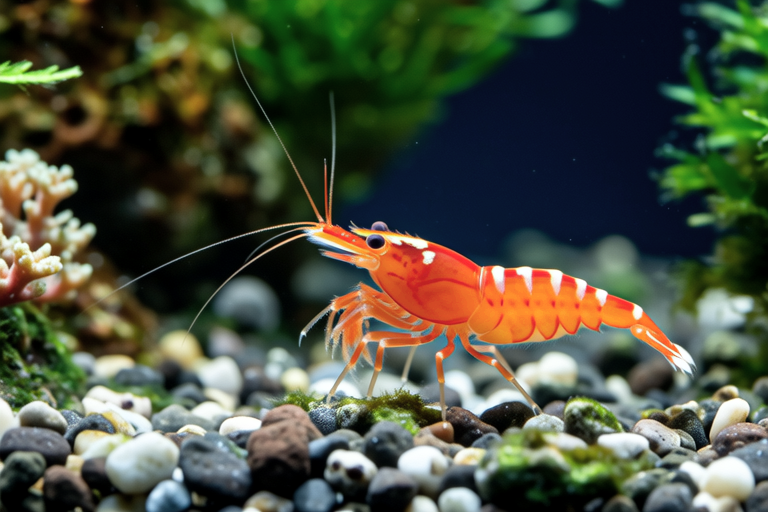
How to Set Up the Ideal Habitat for Happy and Healthy Coral Shrimp
Welcome to the fascinating world of coral shrimp! These vibrant creatures bring a splash of color and life to any aquarium. Setting up the ideal habitat for coral shrimp requires attention to detail and understanding their unique needs. This comprehensive guide will walk you through everything from tank setup to diet and maintenance, ensuring your coral shrimp thrive in their new home.
Choosing the Right Tank Size
The first step in setting up a perfect habitat for your coral shrimp is selecting the right tank size. Coral shrimp are relatively small, but they need ample space to swim and explore. A minimum tank size of 10 gallons is recommended for a small colony. However, larger tanks, such as 20 or 30 gallons, provide more swimming room and are better suited for multiple shrimp. Larger tanks also help maintain stable water conditions, which are crucial for the well-being of your shrimp.
Water Parameters
Temperature
Coral shrimp prefer tropical waters, so maintaining a consistent temperature between 72°F and 82°F (22°C to 28°C) is vital. Use a reliable aquarium heater and monitor the temperature regularly with a thermometer. Fluctuations can cause stress and negatively impact their health.
pH Levels
The optimal pH range for coral shrimp is between 7.5 and 8.4. This slightly alkaline environment mimics their natural habitat. Regularly test the water with a pH kit to ensure it stays within this range.
Salinity
Coral shrimp are saltwater creatures, so maintaining the correct salinity is essential. The specific gravity should be between 1.020 and 1.025. Use a hydrometer to measure the salinity accurately and adjust as necessary.
Filtration Systems
Efficient filtration is key to maintaining clean and healthy water for your coral shrimp. Choose a filtration system that provides mechanical, biological, and chemical filtration. Sponge filters are popular among shrimp keepers because they are gentle and effective at trapping debris without harming the delicate shrimp.
Lighting Requirements
While coral shrimp are primarily nocturnal, providing adequate lighting is still important for algae growth and overall tank aesthetics. Use LED lights that emit a spectrum similar to natural sunlight. A daily light cycle of 8-10 hours is ideal. Remember, too much direct light can stress your shrimp, so avoid overly bright setups.
Substrate Choices
Selecting the right substrate can enhance the beauty of your tank while providing essential benefits for your coral shrimp. Crushed coral or aragonite substrates are excellent choices as they help maintain the proper pH and buffer against sudden changes. Avoid sharp or rough substrates that could injure your shrimp.
Suitable Decorations and Hiding Spots
To mimic the natural environment of coral shrimp, include various decorations and hiding spots. Live rock and pieces of driftwood offer shelter and promote beneficial bacteria growth. Incorporate plenty of plants, both real and artificial, to create a lush, vibrant habitat. Ensure there are numerous crevices and caves where your shrimp can feel secure.
Dietary Recommendations
Coral shrimp are omnivores, meaning they eat both plant and animal matter. In the wild, they feed on algae, detritus, and tiny organisms. In captivity, offer a varied diet consisting of algae wafers, shrimp pellets, and occasional blanched vegetables like zucchini and spinach. Supplement their diet with live or frozen foods like brine shrimp, daphnia, and bloodworms for added nutrition.
Feeding Schedules
Feed your coral shrimp once or twice daily, offering small portions that they can consume within a few minutes. Overfeeding can lead to water quality issues, so monitor their eating habits closely. Remove any uneaten food promptly to prevent decomposition and maintain water clarity.
Maintaining Water Quality
Regular water changes are essential for maintaining high water quality. Perform partial water changes of about 10-20% weekly to remove waste products and replenish essential minerals. Always use a dechlorinator when adding new water to neutralize harmful chemicals.
Tank Mates Compatibility
When choosing tank mates for your coral shrimp, consider their peaceful nature and sensitivity to water conditions. Suitable companions include other small, non-aggressive species like nerite snails, hermit crabs, and certain types of dwarf gouramis. Avoid large or aggressive fish that may prey on shrimp or compete for food. Compatibility also depends on the specific behaviors and temperaments of the individual animals, so always introduce new inhabitants cautiously.
Common Health Issues and Signs of a Thriving Colony
Despite your best efforts, coral shrimp may occasionally face health challenges. Common issues include bacterial infections, parasitic infestations, and stress-related illnesses. Monitor your shrimp for signs of distress, such as lethargy, loss of color, or unusual behavior. A thriving colony will exhibit active movement, clear eyes, and vibrant colors. Regularly inspect your shrimp and take prompt action if any signs of illness appear.
By following these guidelines, you’ll create a nurturing environment that supports the happiness and health of your coral shrimp. Enjoy watching them thrive in their new home, bringing joy and wonder to your aquarium. Happy shrimp keeping!
