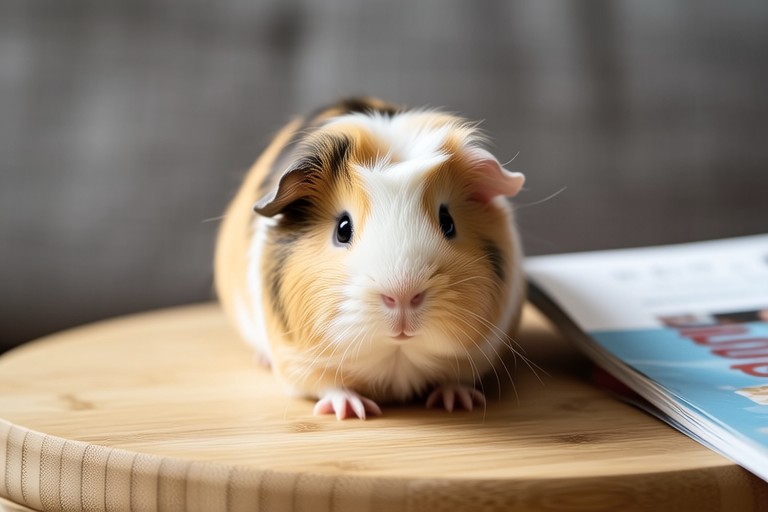
Guinea Pig Care Made Easy: Expert Tips Every Owner Should Know
Welcome to the wonderful world of guinea pig ownership! These charming, gentle creatures are increasingly popular pets, and it’s no wonder why. They’re social, interactive, and bring a lot of joy to their owners. However, owning a guinea pig comes with responsibilities. This guide will help you understand everything from their dietary needs to housing requirements and beyond. By following these expert tips, you’ll be well on your way to becoming a great guinea pig owner.
Proper Diet
Feeding your guinea pig the right diet is crucial for their overall health and happiness. A balanced diet should consist of hay, fresh vegetables, and pellets. Timothy hay is ideal for adult guinea pigs, while alfalfa hay can be given sparingly to younger ones due to its higher calcium content.
- Hay: Provide unlimited access to high-quality hay, which aids digestion and keeps teeth healthy.
- Fresh Vegetables: Offer a variety of leafy greens like romaine lettuce, kale, and spinach. Introduce new veggies gradually to avoid digestive upset.
- Pellets: Choose a good quality pellet designed specifically for guinea pigs. Avoid mixes that include seeds, nuts, or dried fruits, as these can lead to obesity and dental problems.
- Vitamin C: Guinea pigs cannot produce vitamin C naturally, so it’s important to provide them with supplements or foods rich in this nutrient.
Housing Requirements
Adequate housing ensures your guinea pig feels safe and comfortable. The cage should be large enough for them to move around freely and have space for food, water, bedding, and toys.
- Cage Size: Aim for at least 7.5 square feet of floor space per guinea pig. Bigger is always better!
- Bedding: Use soft, dust-free bedding like shredded paper or recycled newspaper products. Avoid cedar and pine shavings, as they can irritate your pet’s respiratory system.
- Accessories: Include hideouts, tunnels, and chew toys to keep your guinea pig entertained.
- Placement: Place the cage in a quiet area away from drafts and direct sunlight.
Grooming Needs
Regular grooming helps maintain your guinea pig’s coat and prevents skin issues. While they don’t require frequent baths, brushing them weekly helps remove loose hair and distribute natural oils.
- Bathing: Only bathe your guinea pig if absolutely necessary, as over-bathing can strip their coat of essential oils.
- Nail Trimming: Trim nails every few weeks using pet-safe clippers. Be careful not to cut the quick, which contains blood vessels.
- Tooth Care: Check their teeth regularly; overgrown teeth can cause pain and difficulty eating. Provide chew toys to help wear down their teeth naturally.
Exercise Recommendations
Guinea pigs need regular exercise to stay healthy and happy. In addition to their spacious cage, allow supervised time outside the cage each day.
- Playtime: Spend at least 30 minutes daily playing with your guinea pig in a safe, enclosed area.
- Interactive Toys: Rotate toys to keep things interesting and stimulate mental activity.
- Outdoor Time: If weather permits, take your guinea pig outdoors for supervised play. Ensure the area is free of hazards and shaded.
Health Care Basics
Preventive care is key to keeping your guinea pig healthy. Regular vet visits, vaccinations, and monitoring for signs of illness are all part of responsible pet ownership.
- Veterinary Care: Schedule annual checkups and vaccinations. Familiarize yourself with local veterinarians specializing in small animals.
- Emergency Preparedness: Have a plan in place for emergencies, including a list of nearby vets and an emergency kit containing essentials like syringes and gauze.
- Common Health Issues: Watch for symptoms like weight loss, lethargy, diarrhea, or changes in appetite. Early intervention can prevent serious health problems.
Common Behavioral Insights
Understanding guinea pig behavior helps build a strong bond between you and your pet. Learn to recognize signs of stress, fear, and contentment.
- Signs of Stress: Pacing, hiding, or excessive grooming may indicate stress. Identify and eliminate sources of anxiety.
- Communication: Guinea pigs communicate through vocalizations like chirping, squeaking, and purring. Pay attention to their sounds to understand their emotions.
- Social Interaction: Guinea pigs are social animals and thrive when housed with compatible companions. Introduce new guinea pigs slowly to ensure compatibility.
Dispelling Common Myths
There are many misconceptions about guinea pig care. Here are some common myths debunked:
- Myth: Guinea pigs don’t need much space. Fact: Guinea pigs need ample room to move around and play.
- Myth: Guinea pigs can live alone. Fact: Guinea pigs are social animals and benefit from having a companion.
- Myth: Guinea pigs don’t require regular veterinary care. Fact: Regular checkups are vital for maintaining their health.
Checklist for New Owners
Here’s a handy checklist to ensure you’re covering all bases:
- Provide unlimited access to hay.
- Offer a variety of fresh vegetables.
- Choose high-quality guinea pig pellets.
- Ensure adequate living space.
- Use appropriate bedding materials.
- Include accessories like hideouts and chew toys.
- Arrange for regular vet visits.
- Monitor your guinea pig’s behavior and health closely.
- Engage in regular playtime.
- Learn about common health issues and how to prevent them.
Owning a guinea pig is a rewarding experience filled with love and laughter. By following these expert tips, you’ll give your furry friend the best life possible. Remember, every guinea pig is unique, so observe their individual needs and adjust care accordingly. Happy petting!
