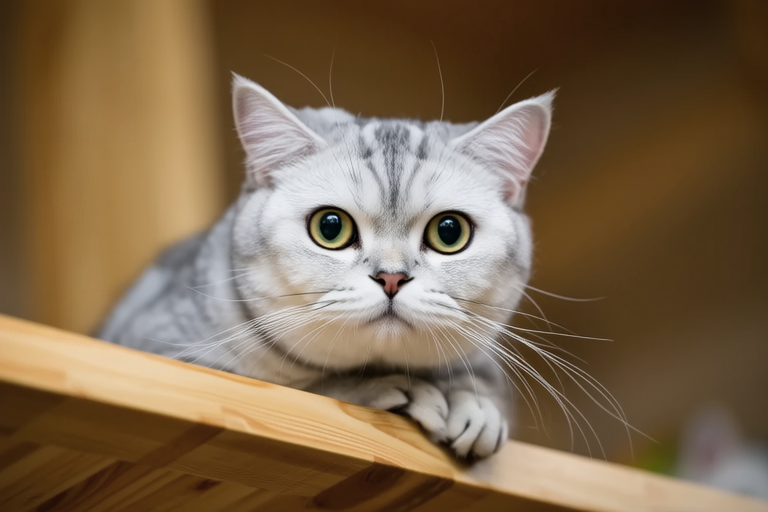
Why Can’t I Stop Watching? Captivating Chinchilla Behavior Explained
Chinchillas have become increasingly popular pets over the years, known for their soft, luxurious fur and unique behaviors that captivate both new and experienced pet owners alike. These small rodents, native to the Andes Mountains in South America, have garnered a reputation for being not only adorable but also highly entertaining. Their peculiar grooming habits, intricate social dynamics, and playful antics make them fascinating companions. In this article, we will delve into the reasons behind their captivating nature, providing scientific insights and practical tips for owners to better understand and interact with their chinchillas.
The Unique Grooming Habits of Chinchillas
One of the most distinctive behaviors of chinchillas is their grooming routine. These meticulous creatures spend a significant portion of their day cleaning themselves and each other. Chinchillas possess specialized grooming techniques that involve rolling in fine dust baths. This behavior serves multiple purposes: it helps remove dirt, excess oils, and parasites from their fur. The dust particles act like tiny scrubbers, effectively cleaning the chinchilla’s dense fur without damaging it. Scientifically, this behavior is linked to their natural habitat, where they would roll in volcanic ash or fine sand.
Owners can facilitate this natural behavior by providing their chinchillas with dust baths several times a week. It is essential to use dust specifically designed for chinchillas, which contains the right particle size to ensure effective cleaning without causing respiratory issues. Watching your chinchilla engage in this activity can be both amusing and enlightening, offering a glimpse into their instinctual behaviors.
Social Interactions and Communication
Chinchillas are highly social animals that thrive on interaction, whether with other chinchillas or their human caregivers. They communicate through a variety of vocalizations, body language, and physical contact. Chinchillas may emit high-pitched squeaks, chirps, and even purrs when they are happy, excited, or seeking attention. Conversely, they might produce louder, sharper sounds when they feel threatened or uncomfortable.
Understanding these vocal cues can help owners gauge their chinchilla’s emotional state and respond appropriately. For example, if you notice your chinchilla emitting soft chirps, it might be a sign that it wants to play or interact. On the other hand, if it produces sharp squeals, it could indicate discomfort or fear. Providing a stimulating environment with toys and opportunities for social interaction can enhance the quality of life for your chinchilla and strengthen the bond between pet and owner.
The Playful Side of Chinchillas
Beyond their grooming and communication skills, chinchillas are known for their playful demeanor. They enjoy exploring their surroundings, jumping, and playing with toys. Chinchillas are naturally curious animals, often investigating new objects or environments with enthusiasm. This curiosity stems from their evolutionary background, where adaptability was crucial for survival in their mountainous habitats.
Owners can encourage this playful side by providing safe, stimulating toys such as tunnels, chew toys, and platforms for climbing. Interactive play sessions can deepen the connection between you and your chinchilla while also keeping them mentally and physically active. Understanding the importance of play in a chinchilla’s life can help owners create enriching environments that cater to their pet’s needs.
Scientific Insights into Chinchilla Behavior
Recent studies have shed light on various aspects of chinchilla behavior, enhancing our understanding of these fascinating creatures. Researchers have explored the role of scent marking in chinchilla social structures. Chinchillas use scent glands located near their anus to leave chemical signals on surfaces within their territory. These scent marks serve as a means of communication, conveying information about the chinchilla’s identity, reproductive status, and territorial boundaries.
Additionally, studies have examined the impact of environmental enrichment on chinchilla well-being. Providing diverse stimuli, such as varied textures, different levels for climbing, and interactive toys, has been shown to reduce stress and promote positive behaviors. By creating an enriched environment, owners can contribute to their chinchilla’s overall health and happiness.
Tips for Understanding and Interacting with Your Chinchilla
To foster a deeper connection with your chinchilla, consider the following tips:
- Observe their body language: Pay attention to how your chinchilla holds its ears, tail, and posture. A relaxed chinchilla will have its ears facing forward and its tail hanging down. If the ears are flattened against the head or the tail is puffed up, it could indicate stress or fear.
- Establish trust: Gradually build trust by offering treats, speaking softly, and handling your chinchilla gently. Consistent, positive interactions can help your chinchilla feel secure and comfortable around you.
- Provide mental stimulation: Offer puzzles, treat-dispensing toys, and opportunities for exploration to keep your chinchilla engaged and entertained.
- Respect their space: While chinchillas are social animals, they also need time alone. Allow your chinchilla periods of solitude to rest and recharge.
Enhancing the Bond Between Pet and Owner
Understanding chinchilla behavior is key to building a strong, meaningful relationship with your pet. By observing their grooming habits, social interactions, and playful tendencies, you can gain valuable insights into their needs and preferences. This knowledge enables you to provide a nurturing environment that meets their physical and emotional requirements.
As you grow more familiar with your chinchilla’s behavior, you’ll find yourself drawn into their world, captivated by their unique quirks and endearing personalities. Appreciating these fascinating creatures more deeply can lead to a richer, more rewarding pet ownership experience. So, the next time you find yourself mesmerized by your chinchilla’s antics, remember that each moment offers an opportunity to learn and connect with your beloved companion.
