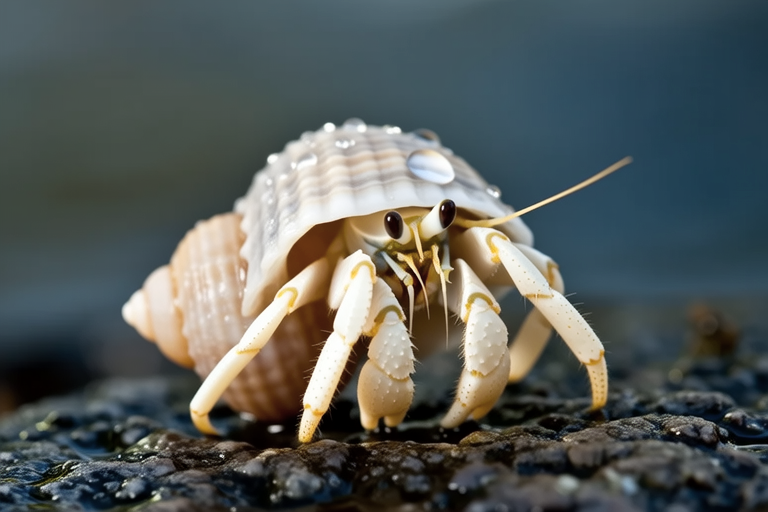
Pea Crab Chronicles: Unveiling the Microscopic Movers of the Oceans
In the vast and mysterious world of the ocean, where colossal whales glide through deep blue waters and colorful corals thrive in sunlit reefs, there exists a realm of minuscule marvels that often go unnoticed. Among these microscopic movers are the pea crabs, tiny crustaceans that have carved out unique niches within the intricate tapestry of marine ecosystems. This article delves into the fascinating lives of pea crabs, exploring their habitats, symbiotic relationships, adaptations for survival, and the ecological roles they play.
The Tiny Titans of the Sea
Pea crabs, belonging to the family Pinnotheridae, are some of the smallest crabs in the world, typically measuring less than half an inch in length. Their diminutive size belies their importance in the marine food web. Despite their petite stature, these crabs are far from passive participants in the ocean’s drama; rather, they are active players in a complex game of survival and cooperation.
Imagine a bustling city, teeming with life and activity, but instead of towering skyscrapers and bustling streets, think of a network of anemones, barnacles, or mollusks, each hosting its own miniature metropolis. Pea crabs live in these cozy environments, finding shelter within the folds of bivalves, anemones, and even sea cucumbers. Their hosts provide them with protection and a steady supply of nutrients, while the crabs, in turn, offer some form of benefit to their hosts, creating a delicate balance of mutualism.
Symbiotic Partnerships
The relationship between pea crabs and their hosts is one of nature’s most remarkable examples of symbiosis. These tiny crustaceans have evolved to live inside the mantle cavity of bivalves, such as clams and mussels, or within the tentacles of sea anemones. In these protected spaces, they can move freely, scavenging for leftover food particles and detritus. While this arrangement may seem parasitic at first glance, it is actually a mutually beneficial partnership.
For instance, pea crabs living inside bivalves can help clean the host’s gills by removing debris and parasites. This cleaning service can improve the bivalve’s respiratory efficiency, allowing it to thrive in its environment. Similarly, pea crabs residing in anemones might assist in distributing food particles more evenly, benefiting the anemone’s feeding efficiency. In return, the pea crabs receive a safe haven and a reliable source of sustenance.
These symbiotic relationships are not static; they evolve over time. Some species of pea crabs have developed specialized appendages that allow them to better cling to their hosts, ensuring they don’t get washed away by currents. Others have adapted their body shapes to fit snugly within the host’s anatomy, minimizing friction and maximizing comfort.
Habitat and Adaptations
Pea crabs are found in a wide range of marine habitats, from shallow coastal waters to deeper oceanic zones. They prefer areas rich in organic matter and potential hosts, such as seagrass beds, mangrove forests, and coral reefs. The adaptability of pea crabs is one of their greatest strengths, enabling them to thrive in diverse environments.
One of the most striking adaptations of pea crabs is their ability to change color to match their surroundings. This camouflage helps them avoid predators and blend seamlessly with their hosts. By mimicking the hues of their environment, pea crabs can become virtually invisible to both prey and predators alike, enhancing their chances of survival.
Another crucial adaptation is their reproductive strategy. Female pea crabs carry their eggs in brood pouches, carefully guarding and nurturing them until they hatch. This maternal care ensures that the next generation has the best possible start in life, increasing the likelihood of survival in a challenging marine environment.
The Ecological Role of Pea Crabs
Beyond their symbiotic relationships, pea crabs play a vital role in maintaining the health and balance of marine ecosystems. As scavengers, they help recycle nutrients by consuming decaying matter and detritus. This process aids in the decomposition of organic material, contributing to the overall productivity of the ecosystem.
Pea crabs also serve as a food source for larger marine animals, including fish, birds, and even other crustaceans. Their presence in the food chain helps regulate populations and ensures that energy flows efficiently throughout the ecosystem. By acting as both consumers and recyclers, pea crabs contribute to the intricate web of life that characterizes the ocean.
Threats and Conservation
Despite their resilience and adaptability, pea crabs face several threats in today’s changing world. Human activities, such as pollution, overfishing, and habitat destruction, pose significant challenges to their survival. Pollution can contaminate their food sources and disrupt their ecosystems, while overfishing of their hosts can leave pea crabs homeless and vulnerable.
Additionally, climate change is altering the temperature and chemistry of the oceans, affecting the distribution and abundance of pea crabs and their hosts. Rising sea temperatures and increased acidity levels can stress these delicate organisms, potentially leading to population declines.
To ensure the continued existence of pea crabs and the ecosystems they inhabit, conservation efforts must be prioritized. Protecting marine habitats, reducing pollution, and promoting sustainable fishing practices are essential steps toward safeguarding these tiny but mighty creatures.
Conclusion
Pea crabs may be small, but their impact on marine ecosystems is profound. From their symbiotic partnerships with hosts to their role in nutrient cycling, these microscopic movers play a crucial part in the health and balance of the ocean. As we continue to explore and understand the complexities of marine life, it is imperative that we recognize and protect the contributions of all its inhabitants, great and small.
By appreciating the beauty and importance of pea crabs, we can foster a greater respect for the oceans and the myriad life forms that call them home. Let us strive to preserve these delicate ecosystems, ensuring that the tiny titans of the sea continue to thrive for generations to come.
