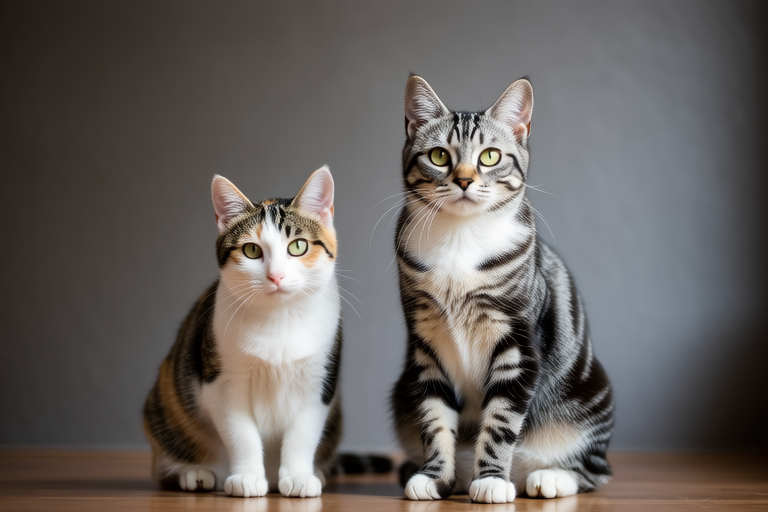
Comparing Munchkin Cats and Regular Cats: A Comprehensive Guide
Welcome to this detailed guide that aims to help you understand the differences between Munchkin cats and regular cats. Whether you’re a seasoned cat owner or a newcomer to feline companionship, this article will provide valuable insights into the physical traits, health considerations, activity levels, temperament, grooming needs, and common misconceptions surrounding these two types of cats. Additionally, we’ll offer some practical advice for those considering adopting either breed.
Physical Differences
The most striking difference between Munchkin cats and regular cats lies in their physical appearance, particularly their legs. Munchkin cats are known for their short legs, which can range from slightly shorter than average to significantly stunted. This unique trait results in a distinct rolling gait when they walk, making them resemble tiny dogs in some ways. In contrast, regular cats have normal leg lengths, allowing for a more fluid and graceful stride.
Other physical distinctions include body size and overall build. Munchkins tend to be stockier and shorter in stature compared to their regular counterparts. Their bodies are compact and muscular, giving them surprising agility despite their shorter limbs. Regular cats come in various sizes depending on the breed but generally exhibit a more elongated silhouette with longer legs and a sleeker frame.
It’s worth noting that while Munchkins may look adorable with their stubby legs, there are potential health concerns associated with this genetic mutation. These issues will be explored further in the health considerations section.
Health Considerations
When it comes to health, both Munchkin cats and regular cats face different challenges based on their unique characteristics. Munchkin cats, due to their shortened legs, are at higher risk for certain musculoskeletal problems such as lordosis (an abnormal curvature of the spine) and pectus excavatum (a condition where the sternum caves inward). They also might experience difficulty reaching high places or jumping onto furniture, which could lead to obesity if not managed properly.
Regular cats, on the other hand, typically enjoy good health unless affected by specific breed-related issues or environmental factors like diet and exercise. However, all cats require routine veterinary care, vaccinations, and preventive measures against parasites.
To ensure optimal health for your pet, consider scheduling regular check-ups with a veterinarian familiar with your chosen breed. Discuss any observed symptoms or changes in behavior promptly, as early intervention often leads to better outcomes.
Activity Levels
Munchkin cats are generally very active despite their shorter legs. They love to play chase games, explore new environments, and engage in interactive toys. Due to their playful nature, providing stimulating activities is essential for keeping them mentally and physically healthy. Regular exercise helps maintain muscle tone and prevents weight gain, especially important given their predisposition towards obesity.
Regular cats vary widely in terms of activity levels depending on individual personalities and breeds. Some may be highly energetic, while others prefer lounging around. Regardless of energy levels, all cats need opportunities for physical activity to stay fit and engaged.
Incorporating playtime into daily routines benefits both types of cats emotionally and physically. Interactive toys like laser pointers or feather wands encourage movement and interaction between pets and owners alike.
Temperament
Both Munchkin cats and regular cats can display affectionate, friendly dispositions towards humans and fellow animals alike. However, each breed tends to exhibit slightly different social behaviors.
Munchkin cats are often described as outgoing, curious creatures who enjoy being around people. Their playful demeanor makes them excellent companions for families with children or households seeking constant engagement. Despite their friendly nature, they still value personal space and should never be forced into unwanted interactions.
Regular cats also come in diverse temperaments ranging from shy and reserved to sociable and extroverted. Understanding your prospective companion’s personality before bringing them home ensures compatibility within your household.
Regardless of breed, creating a safe environment where pets feel secure fosters positive relationships. Providing hiding spots, scratching posts, and designated resting areas allows cats to establish territories comfortably.
Grooming Needs
Grooming requirements differ somewhat between Munchkin cats and regular cats, influenced mainly by coat type rather than leg length. Both breeds benefit from regular brushing sessions to remove loose hair and distribute natural oils throughout fur coats.
Munchkin cats typically have short-haired coats requiring less maintenance compared to long-haired varieties found among regular cats. Short-haired Munchkins usually need weekly brushing to prevent matting and reduce shedding.
Long-haired regular cats demand more frequent grooming to keep their luxurious locks tangle-free. Daily combing might be necessary during seasonal molts when excessive shedding occurs. Professional grooming services can assist with maintaining pristine appearances if time constraints make consistent upkeep challenging.
Trimming nails regularly keeps claws sharp yet manageable. Cleaning ears and eyes periodically prevents buildup causing discomfort or infection. Bathing should only occur infrequently unless absolutely necessary; over-bathing strips away protective oils damaging sensitive skin.
Common Misconceptions
Several myths surround both Munchkin cats and regular cats that warrant clarification:
- Munchkin cats cannot jump: While their shorter legs limit vertical reach, many Munchkins still manage impressive leaps thanks to their strong hindquarters. They may choose alternative routes like climbing stairs or using ramps instead.
- All Munchkin cats suffer severe health issues: Not every Munchkin experiences debilitating conditions related to dwarfism. Many live long, healthy lives without significant complications.
- Regular cats are easier to care for: Both breeds require similar attention regarding nutrition, exercise, and emotional support. The level of commitment depends more on individual preferences and circumstances rather than inherent complexity.
Aptitude for Adoption
Adopting either a Munchkin cat or a regular cat involves thoughtful preparation to ensure successful integration into your family. Here are some tips for prospective owners:
- Research thoroughly: Learn about the specific needs of each breed before deciding which one aligns best with your lifestyle. Consider factors such as living space, existing pets, work schedules, and financial resources.
- Visit shelters and rescue organizations: Meeting potential companions face-to-face provides valuable insight into their personalities and how well they adapt to unfamiliar settings.
- Prepare your home: Create comfortable sleeping areas, designate feeding stations, and set up litter boxes in quiet locations away from heavy traffic zones.
- Establish routines: Develop consistent feeding times, play periods, and bedtime rituals to promote stability and security.
- Seek professional guidance: Consult veterinarians, trainers, or experienced mentors for additional advice tailored specifically to your situation.
Remember, adopting a pet is a lifelong commitment requiring dedication and patience. By thoroughly understanding the unique requirements of Munchkin cats and regular cats, you can provide loving homes filled with joy and companionship.
