Adopting a Munchkin: What Every Future Owner Should Know
Welcome to the enchanting world of Munchkin cats! These delightful felines have captured the hearts of many with their unique appearance and loving personalities. Before diving into the specifics of adopting a Munchkin, it’s important to understand what makes them so special.
The Unique Physical Traits and Temperament of Munchkins
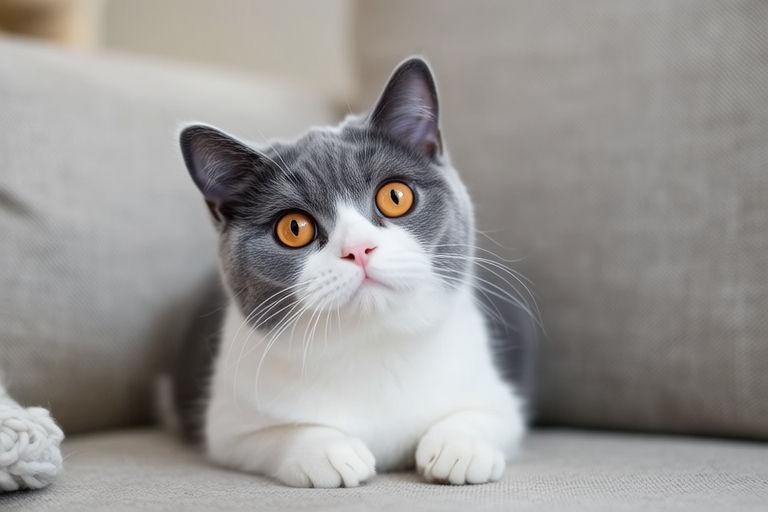
Munchkin cats are known for their short legs, which are a result of a genetic mutation. Despite their stubby legs, they are surprisingly agile and can leap higher than one might expect. Their bodies are compact and muscular, making them excellent climbers and jumpers. The breed comes in various coat colors and patterns, adding to their charm. Munchkins are generally friendly and sociable, often getting along well with other pets and family members. They enjoy human interaction and are known for their playful and affectionate nature.
Common Health Issues and How to Address Them
While Munchkins are generally healthy, there are some health issues that prospective owners should be aware of. One of the most common concerns is spinal issues due to their short legs. This can lead to conditions such as lordosis (swayback) and pectus excavatum (sunken chest). To mitigate these risks, it’s crucial to provide your Munchkin with a comfortable and supportive environment. Orthopedic beds and soft cushions can help alleviate pressure on their spine. Regular veterinary check-ups are also essential to monitor their overall health and catch any potential issues early.
Another concern is obesity, which can exacerbate existing joint problems. Maintaining a healthy weight through proper diet and exercise is vital. Feeding your Munchkin a balanced diet rich in protein and low in fat can help keep them fit. Avoid overfeeding and ensure they have opportunities to play and exercise regularly.
Choosing the Right Breeder or Adoption Center
When considering adopting a Munchkin, it’s important to choose a reputable breeder or adoption center. Reputable breeders will prioritize the health and wellbeing of their cats, providing them with proper care and attention. They will also be knowledgeable about the breed and able to answer any questions you may have. Look for breeders who are members of recognized cat associations and adhere to ethical breeding practices. Adoption centers, on the other hand, offer the opportunity to give a home to a rescued Munchkin. These centers often have a wealth of information about each cat’s history and personality, helping you find the perfect match.
Regardless of whether you adopt from a breeder or an adoption center, it’s important to meet the cat in person before making a decision. Spend time interacting with the Munchkin to gauge its temperament and ensure it fits well with your lifestyle.
Suitable Living Environments for Munchkins
Munchkins thrive in environments that cater to their unique needs. They enjoy climbing and exploring, so it’s beneficial to provide them with vertical spaces such as cat trees and shelves. Multi-level homes with ample space for climbing and jumping are ideal. However, if you live in a smaller apartment, don’t worry; Munchkins can adapt to smaller spaces as long as they have enough stimulation. Providing toys and interactive games can help keep them entertained and active.
It’s also important to consider the safety of your home. Ensure that there are no sharp edges or dangerous objects within reach. Baby gates can be useful for keeping them out of certain areas, especially if you have stairs or high furniture. Additionally, Munchkins are curious by nature, so make sure to secure windows and balconies to prevent accidents.
Exercise Needs and Dietary Considerations
Munchkins require regular exercise to maintain their health and happiness. Interactive toys, such as feather wands and laser pointers, can encourage them to engage in play. Puzzle feeders and treat-dispensing toys can also stimulate their minds while providing mental and physical exercise. It’s important to establish a routine that includes daily playtime to keep your Munchkin active and engaged.
Dietary considerations are also crucial for the well-being of your Munchkin. High-quality cat food that is appropriate for their age and activity level is recommended. Consult with your veterinarian to determine the best type of food for your cat. Avoid feeding them table scraps or excessive treats, as this can lead to obesity and related health issues. Fresh water should always be available to keep them hydrated.
The Bond Between Munchkins and Their Owners
The bond between a Munchkin and its owner is truly special. These cats are known for their loyalty and affection, often forming strong attachments to their human companions. They enjoy being part of family activities and can be great companions for people of all ages. Owning a Munchkin brings joy and warmth to the home, but it also comes with responsibilities. Ensuring their health, happiness, and safety requires commitment and dedication.
Adopting a Munchkin is a rewarding experience that can enrich your life in countless ways. With proper care and attention, you can create a loving and lasting relationship with your new feline friend. Embrace the journey of Munchkin ownership and enjoy the unique bond that develops between you and your cherished pet.
