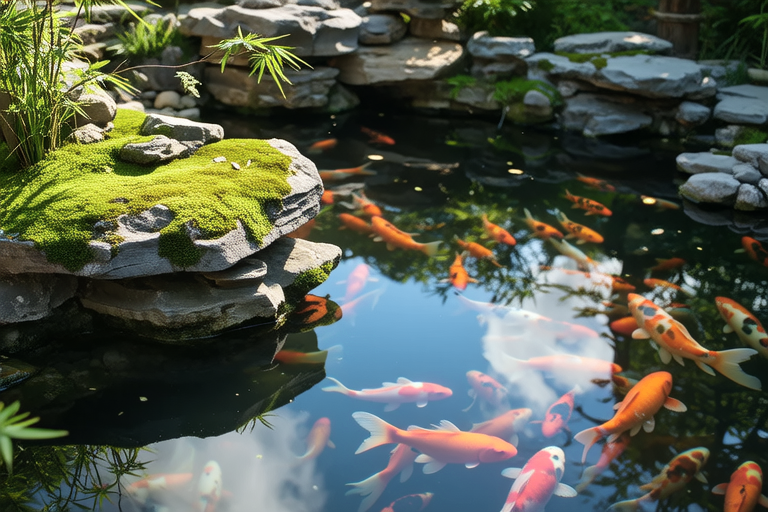
How to Create a Dream Pond for Happy and Healthy Koi
Welcome to the world of koi keeping! Creating a dream pond for your koi fish is an exciting endeavor that requires careful planning and consideration. A well-designed pond can provide a beautiful addition to your garden while ensuring the health and happiness of your beloved koi. In this comprehensive guide, we will cover everything you need to know about building and maintaining a koi pond, from choosing the right size and shape to implementing effective filtration systems and maintaining optimal water quality.
Pond Size and Shape Considerations
The first step in creating your dream pond is deciding on its size and shape. The ideal pond size for koi depends on several factors, including the number of fish you plan to keep, the amount of space available, and your budget. As a general rule, each koi requires at least 200 gallons of water. For example, if you want to keep five koi, your pond should have a minimum capacity of 1,000 gallons. It’s always better to err on the side of generosity, so consider adding extra space for future expansion or additional fish.
When it comes to shape, there are no hard-and-fast rules, but some shapes are more conducive to koi health than others. Irregular shapes with plenty of nooks and crannies are ideal because they provide hiding spots and stimulate natural behavior. Avoid sharp corners, as these can trap debris and make cleaning difficult. Additionally, a deeper pond (at least four feet deep) will help maintain stable water temperatures and provide protection against predators.
Filtration Systems
A properly functioning filtration system is crucial for maintaining clean, healthy water in your koi pond. There are three main types of filters: mechanical, biological, and chemical. Mechanical filters remove large particles like leaves and uneaten food from the water. Biological filters house beneficial bacteria that break down harmful ammonia and nitrite into less toxic compounds. Chemical filters use substances like activated carbon to absorb dissolved organic matter and medications.
To choose the right filter for your pond, consider its size, flow rate, and the type of media used. Consult with experts at local aquarium stores or online forums to find the best options based on your specific needs. Remember that regular maintenance is key – clean or replace filter media according to manufacturer recommendations to ensure maximum efficiency.
Water Quality Maintenance
Maintaining good water quality is essential for keeping your koi healthy and happy. Regular testing for pH levels, ammonia, nitrite, and nitrate concentrations will give you valuable insights into your pond’s condition. Aim for a pH between 7.0 and 8.5, with slightly alkaline conditions being preferable for most species. Ammonia and nitrite levels should be undetectable; otherwise, they could cause severe stress or even death. Nitrate levels above 40 ppm may indicate overfeeding or insufficient filtration.
In addition to monitoring parameters, perform partial water changes every few weeks to remove accumulated toxins and replenish minerals. Use dechlorinated tap water or rainwater collected from clean sources. Be cautious when introducing new fish or plants, as they might introduce unwanted pathogens or disrupt existing bacterial colonies.
Suitable Plants for Koi Ponds
Adding aquatic plants not only enhances the aesthetic appeal of your pond but also contributes significantly to its ecological balance. Some popular choices include water lilies, lotus flowers, iris, and parrot’s feather. These plants provide shade, oxygenate the water through photosynthesis, and offer hiding places for fry. Floating plants like duckweed and water hyacinth can help reduce algae growth by competing for nutrients.
However, avoid overcrowding your pond with vegetation, as excessive plant coverage can lead to low oxygen levels during nighttime when respiration occurs. Strive for a balance where about one-third of the surface area is covered by floating plants, leaving enough open space for swimming and sunlight penetration.
Proper Aeration Techniques
Proper aeration ensures that your koi have access to sufficient dissolved oxygen throughout the day and night. This becomes especially important during warmer months when metabolic rates increase and algae blooms consume oxygen rapidly. Consider installing an air pump connected to diffusers placed near the bottom of the pond. Alternatively, waterfall features or fountains serve dual purposes by circulating water while adding visual interest.
Regularly check the performance of your aerators and adjust settings if necessary. On hot days, you might need to run them continuously instead of intermittently. Also, keep an eye out for signs of oxygen depletion such as gasping at the surface or lethargic behavior among your fish.
Ideal Temperature Ranges
Koi thrive within a certain temperature range, typically between 68°F and 77°F (20°C – 25°C). Outside this zone, their metabolism slows down, making them more susceptible to disease. In colder climates, consider installing a heater to maintain stable temperatures during winter months. Conversely, shading devices like umbrellas or mesh screens can prevent overheating in summer.
Gradual changes in temperature are easier for koi to adapt to compared to sudden shifts. Therefore, monitor weather forecasts and take appropriate measures to protect your fish from extreme conditions. During periods of rapid warming or cooling, limit feedings until temperatures stabilize.
Feeding Guidelines
Proper nutrition plays a vital role in promoting vibrant colors and robust health among your koi. Feed them high-quality pellets designed specifically for their dietary needs. These foods contain essential vitamins, minerals, proteins, and fats necessary for growth and vitality. Avoid overfeeding, which leads to excess waste production and poor water quality.
Feed small amounts multiple times per day rather than one large meal. Observe how quickly the fish consume their rations and adjust portions accordingly. If any food remains after five minutes, reduce the quantity next time. Adjust feeding schedules seasonally, reducing frequency during colder periods when activity decreases.
Tips for Preventing Diseases
Prevention is always better than cure when it comes to protecting your koi from illness. Maintain excellent hygiene practices by regularly cleaning filters, skimmers, and other equipment. Quarantine new arrivals before introducing them to the main pond to minimize risks of introducing parasites or pathogens.
Be vigilant about recognizing early symptoms of common ailments such as fin rot, ich, or velvet disease. Common indicators include abnormal behavior, lesions, cloudiness in eyes, or excessive mucus production. Prompt action upon noticing these signs can save lives. Consult with veterinarians specializing in exotic animals for accurate diagnoses and treatment plans tailored specifically for your situation.
Creating a Balanced Ecosystem
The ultimate goal of designing a koi pond is to establish a self-sustaining ecosystem where all components work together harmoniously. By incorporating elements discussed earlier—adequate filtration, appropriate plant selection, efficient aeration, and thoughtful feeding—you create favorable conditions for thriving koi populations.
Encourage biodiversity within your pond by introducing beneficial microorganisms and encouraging natural processes like decomposition and nutrient cycling. Over time, this approach fosters resilience against external threats while promoting long-term sustainability.
Practical Advice for Beginners and Experienced Pond Owners
For beginners venturing into koi keeping, start small with manageable projects before scaling up. Focus initially on mastering basic principles outlined here before tackling larger installations. Seek guidance from established hobbyists who share experiences and insights freely through social media platforms or local clubs.
Experienced pond owners may benefit from exploring advanced techniques aimed at enhancing aesthetics or functionality further. Investigate innovative technologies like UV sterilizers, ozone generators, or automated dosing systems. Stay informed about emerging trends and best practices within the community to continually improve your setup.
