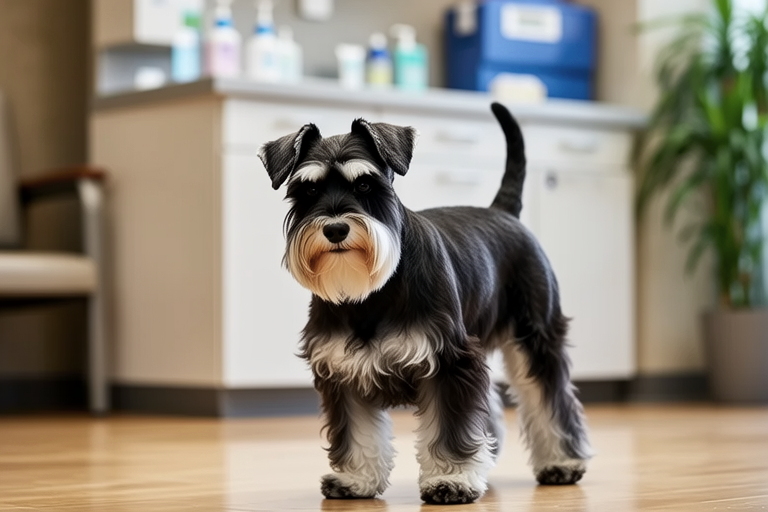
Schnauzer Health Guide: What Every Owner Needs to Know
The Schnauzer is a beloved breed known for its intelligence, loyalty, and distinctive appearance. Whether you’re a new owner or have had Schnauzers for years, understanding their health needs is crucial for ensuring they lead long, healthy lives. This guide will provide you with essential information about Schnauzer health, including common health issues, dietary recommendations, exercise needs, grooming requirements, signs of potential health problems, and tips for regular health maintenance.
Common Health Issues Specific to Schnauzers
Schnauzers, like all breeds, can be prone to certain health issues. Being aware of these conditions can help you take proactive steps in maintaining your dog’s health.
- Allergies: Schnauzers may suffer from skin allergies, which can cause itching, redness, and hair loss. Environmental factors such as pollen or dust, as well as food sensitivities, can trigger allergic reactions.
- Portosystemic Shunts: A condition where blood bypasses the liver, preventing toxins from being filtered out. Early diagnosis through blood tests and imaging is critical for managing this condition.
- Hyperadrenocorticism (Cushing’s Disease): Characterized by excessive production of cortisol, leading to symptoms like increased thirst, frequent urination, and a pot-bellied appearance.
- Patellar Luxation: The kneecap can dislocate, causing pain and lameness. Surgery may be necessary if the condition becomes severe.
- Urolithiasis: The formation of bladder stones, which can cause blockages and urinary tract infections. Keeping your Schnauzer well-hydrated can help prevent this issue.
Dietary Recommendations
Proper nutrition is vital for your Schnauzer’s overall health. Here are some dietary guidelines to consider:
- High-Quality Protein: Opt for foods that list a meat source as the first ingredient. Avoid products with fillers like corn or wheat, which can contribute to allergies and other health issues.
- Omega-3 Fatty Acids: These can help reduce inflammation and improve skin and coat health. Look for fish oil or flaxseed supplements.
- Vitamins and Minerals: Ensure your Schnauzer’s diet contains adequate amounts of vitamins E and C, calcium, and phosphorus.
- Weight Management: Obesity can exacerbate joint problems and other health issues. Monitor your dog’s weight and adjust portion sizes accordingly.
Consult your veterinarian before making any significant changes to your Schnauzer’s diet, especially if they have specific health conditions.
Exercise Needs
Schnauzers are active dogs that require regular exercise to maintain their physical and mental health. Here’s what you need to know:
- Daily Walks: Aim for at least one hour of walking per day. This helps keep your Schnauzer physically fit and mentally stimulated.
- Playtime: Engage in interactive play sessions, such as fetch or tug-of-war. These activities not only burn calories but also strengthen the bond between you and your dog.
- Mental Stimulation: Provide puzzle toys or training sessions to keep your Schnauzer’s mind sharp. Mental exercises are just as important as physical ones.
Remember, Schnauzers thrive on routine, so try to establish a consistent exercise schedule. Adjust the intensity and duration based on your dog’s age and health status.
Grooming Requirements
Schnauzers have a double coat that requires regular grooming to maintain its signature look and prevent matting. Here’s how to care for your Schnauzer’s coat:
- Bathing: Bathe your Schnauzer every 4 to 6 weeks using a mild shampoo. Avoid over-bathing, as it can strip natural oils from the skin.
- Brushing: Brush your Schnauzer’s coat at least twice a week to remove loose hair and prevent tangles. Pay special attention to the undercoat during shedding season.
- Trimming: Regular professional grooming is necessary to keep the Schnauzer’s beard, eyebrows, and body fur trimmed. This not only enhances their appearance but also prevents dirt buildup and skin irritation.
- Nail Trimming: Trim your Schnauzer’s nails every few weeks to avoid discomfort and potential injury. Consult a professional if you’re unsure about doing it yourself.
Regular grooming also allows you to check for any skin abnormalities or signs of infection, contributing to your dog’s overall health.
Signs of Potential Health Problems
Early detection of health issues is crucial for effective treatment. Here are some signs to watch for:
- Changes in Appetite: Loss of appetite or excessive eating could indicate underlying health problems.
- Unusual Behavior: Lethargy, aggression, or unusual anxiety might signal discomfort or illness.
- Abnormal Discharge: Check for discharge from the eyes, nose, or ears, which could indicate infections.
- Unusual Lumps or Bumps: Any new lumps, particularly those that grow quickly, should be examined by a vet.
- Difficulty Moving: Lameness, stiffness, or reluctance to jump can be signs of joint issues or injuries.
If you notice any of these signs, consult your veterinarian promptly.
Tips for Regular Health Maintenance
Preventive care is key to keeping your Schnauzer healthy. Here are some tips for regular health maintenance:
- Annual Vet Check-Ups: Schedule annual visits to the vet for routine examinations, vaccinations, and dental cleanings.
- Parasite Control: Protect your Schnauzer against fleas, ticks, and heartworms by using appropriate medications as recommended by your vet.
- Spaying/Neutering: Consider spaying or neutering your Schnauzer to prevent reproductive cancers and behavioral issues.
- Oral Hygiene: Brush your Schnauzer’s teeth regularly and provide chew toys to promote good dental health.
- Safe Environment: Ensure your home is safe for your Schnauzer by removing hazards and providing a comfortable living space.
By following these guidelines, you can help your Schnauzer live a long, healthy, and happy life.
In conclusion, owning a Schnauzer is a rewarding experience that comes with the responsibility of ensuring their well-being. By understanding common health issues, providing proper nutrition and exercise, maintaining grooming routines, recognizing signs of potential health problems, and adhering to regular health maintenance practices, you can significantly enhance your Schnauzer’s quality of life. Always consult with your veterinarian for personalized advice tailored to your dog’s specific needs.
