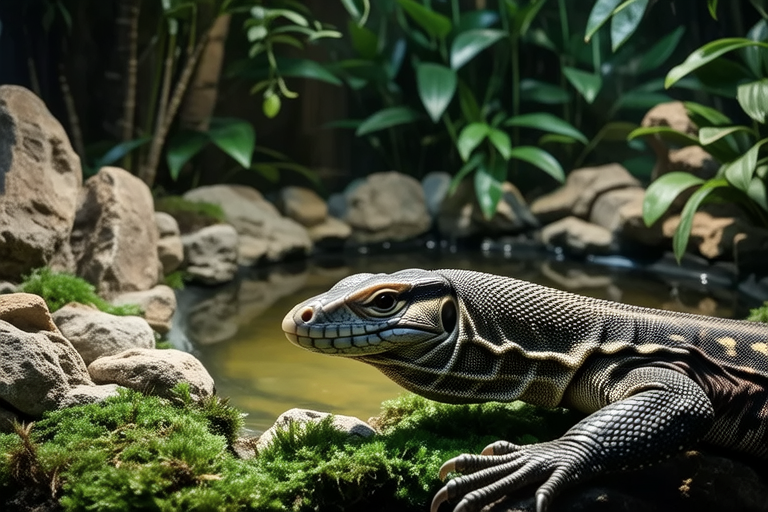
From Jungle to Home: The Ultimate Setup for Your Water Monitor
Welcome to the fascinating world of water monitors! These large, semi-aquatic lizards are native to Southeast Asia and are known for their impressive size and active lifestyle. If you’re considering bringing one of these creatures into your home, it’s crucial to understand their specific needs to ensure they thrive in captivity. This guide will walk you through everything you need to know about setting up the perfect habitat, maintaining ideal environmental conditions, feeding them appropriately, and keeping them healthy.
Creating the Perfect Habitat
Water monitors can grow quite large, so it’s important to start with an appropriately sized enclosure. A minimum of 8 feet by 4 feet by 4 feet is recommended for juveniles, but adults may require even larger spaces. The enclosure should mimic their natural environment as closely as possible, which includes both land and water areas.
The substrate is another critical component of the habitat. Cypress mulch, coconut fiber, or eco-earth work well because they retain moisture and help maintain humidity levels. Avoid substrates that could cause impaction if ingested, such as sand or gravel.
For the water area, provide a deep pool where your monitor can swim freely. Ensure the water is clean and changed regularly to prevent bacterial growth. Some owners prefer to install a filtration system to keep the water pristine.
Temperature and Humidity Requirements
Water monitors are ectothermic, meaning they rely on external sources for body heat. Proper heating is essential for their metabolism, digestion, and overall health. Use a combination of heat lamps, ceramic heat emitters, and under-tank heaters to achieve the following temperatures:
- Basking spot: 95-100°F (35-38°C)
- Cool side: 75-85°F (24-29°C)
- Nighttime drop: 70-75°F (21-24°C)
Maintaining proper humidity is equally important. Aim for 70-80% relative humidity during the day, which can be achieved through misting, humidifiers, and appropriate substrate choices. Nighttime humidity can drop slightly but should remain above 60%. Regular monitoring with hygrometers ensures optimal conditions.
Dietary Needs
Water monitors are carnivorous and have diverse dietary preferences. In captivity, a balanced diet should include:
- Prey items like mice, rats, chicks, and quail
- Whole fish, including heads and bones
- Insects such as crickets, mealworms, and superworms
Variety is key to ensuring all nutritional needs are met. Gut-load insects with nutritious diets before feeding them to your monitor. Supplement prey items with calcium and vitamin D3 to support bone health and prevent deficiencies. Feed juveniles daily, reducing frequency as they mature.
Health Care Tips
Regular veterinary check-ups are vital for your water monitor’s health. Look for signs of illness such as lethargy, loss of appetite, or changes in behavior. Common health issues include metabolic bone disease, respiratory infections, and parasites. Early detection and treatment can prevent serious complications.
Proper hygiene practices also play a significant role in preventing diseases. Clean the enclosure thoroughly at least once a week, replacing the substrate and scrubbing surfaces with reptile-safe disinfectants. Regularly inspect your monitor for signs of injury or infection, especially around the mouth and eyes.
Essential Accessories
To enhance your water monitor’s quality of life, consider adding these accessories to their enclosure:
- Basking platforms: Provide elevated areas for basking and climbing. Logs, rocks, or commercially available platforms work well.
- Hiding spots: Offer multiple hiding places to reduce stress and provide security. Half logs, cork flats, and caves are excellent options.
- Branches and vines: Add natural elements for climbing and exercise. Ensure branches are securely anchored and safe for heavy lizards.
- Filtration systems: For the water area, consider installing a filtration system to maintain water quality and cleanliness.
Mimicking Their Natural Environment
Water monitors come from tropical regions characterized by high humidity and abundant water sources. By replicating these conditions in captivity, you can significantly improve your pet’s well-being. Use UVB lighting to simulate natural sunlight, which aids in calcium absorption and overall health. Position the light so that it covers the entire basking area.
Regular misting and the use of humidifiers help maintain consistent humidity levels. Ensure there are areas within the enclosure where your monitor can retreat when feeling too hot or humid. Providing a variety of enrichment opportunities, such as new toys or rearranging the layout occasionally, keeps your monitor mentally stimulated and engaged.
Conclusion
Bringing a water monitor into your home is a rewarding experience that requires dedication and knowledge. By creating a habitat that closely resembles their natural environment, paying attention to temperature and humidity, providing a balanced diet, and offering necessary accessories, you can ensure your pet thrives. Remember that water monitors are powerful and potentially dangerous animals, so always handle them with care and respect. With proper care, your water monitor will live a long, healthy, and fulfilling life in your home.
