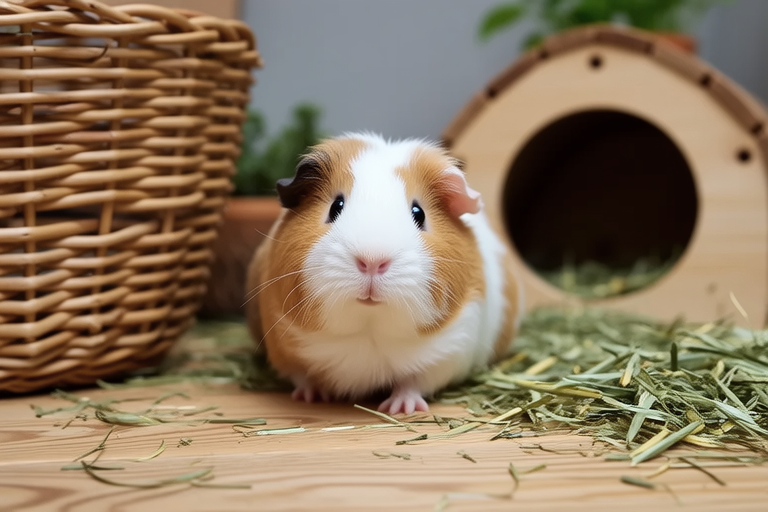
From Cage to Playtime: How to Create an Ideal Environment for Your Guinea Pig
Welcome to the wonderful world of guinea pig ownership! These charming rodents are popular pets for their gentle nature and engaging personalities. Creating an ideal environment for your guinea pig involves several key factors, from the right cage setup to ensuring they have ample opportunities for exercise and social interaction. This guide will walk you through everything you need to know to provide your guinea pig with a healthy, stimulating, and comfortable home.
Cage Setup: Size, Bedding, and Hiding Spots
The first step in creating a suitable environment for your guinea pig is setting up their cage. The cage should be spacious enough for them to move around freely, as guinea pigs need plenty of room to stretch, run, and explore. A general rule of thumb is that the cage should be at least 7.5 square feet (or approximately 24 inches wide by 36 inches long) per guinea pig. If you’re housing multiple guinea pigs, ensure there’s additional space for each one.
When it comes to bedding, choose a material that is absorbent, dust-free, and soft. Avoid cedar and pine shavings, as these can irritate your guinea pig’s respiratory system. Instead, opt for paper-based bedding or recycled newspaper products, which are safer and more comfortable. Change the bedding regularly to maintain cleanliness and prevent odors.
Guinea pigs also require hiding spots within their cage. These provide a sense of security and comfort. You can purchase commercially available hideouts or use cardboard boxes, plastic containers with holes cut out, or even small wooden houses. Make sure any items you place inside the cage are safe and free from sharp edges or toxic materials.
Dietary Needs: Hay, Fresh Vegetables, and Water Supply
A well-balanced diet is crucial for your guinea pig’s health. The cornerstone of their diet should be hay. Offer unlimited access to high-quality grass hay, such as timothy hay, as it aids digestion and helps keep their teeth worn down. Additionally, supplement their diet with fresh vegetables daily. Some good choices include romaine lettuce, bell peppers, and carrots. Always introduce new foods gradually to avoid digestive upset.
Provide a constant supply of fresh water, preferably from a sipper bottle designed for small animals. Clean and refill the water bottle daily to ensure it remains hygienic. Guinea pigs should never be without access to clean water.
Exercise and Playtime: Toys and Safe Areas Outside the Cage
While the cage provides a base for your guinea pig’s living space, it’s important to give them regular opportunities for exercise and play. Daily playtime outside the cage is essential for their physical and mental well-being. Choose a safe area free from hazards like electrical cords and other small objects that could be harmful if ingested.
Toys are a great way to stimulate your guinea pig’s mind and encourage natural behaviors. Look for toys that promote chewing, such as wooden blocks or untreated wicker balls. Tunnels, tubes, and small ramps can also provide entertainment and exercise. Rotate toys periodically to keep things interesting and prevent boredom.
Hygiene and Cleaning Tips
Maintaining a clean environment is vital for your guinea pig’s health. Regularly clean the cage to prevent the buildup of bacteria and ammonia from urine. Remove soiled bedding and replace it with fresh material. Wipe down the cage walls and floors with pet-safe disinfectants. Allow the cage to dry completely before adding new bedding.
In addition to cage maintenance, pay attention to your guinea pig’s grooming needs. Their fur should be brushed regularly to remove loose hair and prevent mats. Trim their nails when necessary, being careful not to cut too close to the quick, which can cause bleeding.
Social Interaction and Handling Techniques
Guinea pigs are social animals and thrive on interaction with their human companions. Spend time with your guinea pig daily, offering gentle handling and affection. When picking them up, support their body with one hand under their chest and the other supporting their hindquarters. Never lift them by their ears or tail.
Encourage positive interactions by offering treats during handling sessions. This helps build trust and makes handling less stressful for both you and your guinea pig. Socialization also extends to other pets in the household; ensure introductions are supervised and gradual to prevent stress or aggression.
Signs of a Happy, Healthy Guinea Pig
Observing your guinea pig regularly will help you identify signs of good health and happiness. A healthy guinea pig has bright eyes, clean fur, and a robust appetite. They should be active, curious, and responsive to your presence. Signs of illness to watch for include lethargy, loss of appetite, labored breathing, or changes in bathroom habits.
Regular veterinary check-ups are essential for maintaining your guinea pig’s health. Discuss vaccination schedules and preventative care with your veterinarian. Early detection of potential issues can make all the difference in ensuring your pet enjoys a long and happy life.
By following these guidelines, you’ll be well on your way to providing your guinea pig with a loving, enriching home. Remember, a happy guinea pig is an active, well-fed, and socially engaged animal. Enjoy the journey of caring for this delightful companion!
