Devon Rex Cats: The Ultimate Guide for New and Future Owners
Origins and History
The Devon Rex is a breed of cat known for its unique appearance and playful personality. Originating in England during the 1960s, the breed was discovered by a woman named Beryl Cox near Buckfastleigh, Devon. She found a curly-coated cat named Kirlee, whose offspring inherited his distinctive traits. This cat became the foundation of the Devon Rex breed. The breed’s name pays homage to its place of origin, Devon, and the term “Rex,” which is used to denote animals with unusual coats.
Unique Physical Characteristics
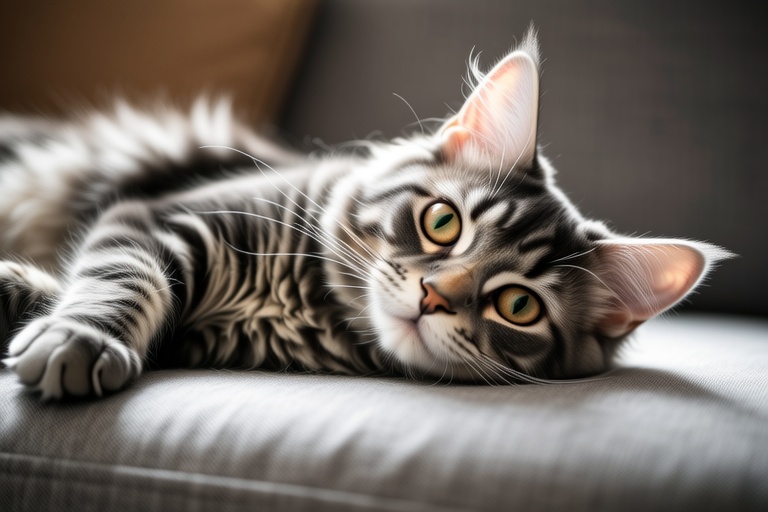
Devon Rex cats are easily recognizable due to their unique physical features. Their most notable characteristic is their short, soft, and wavy coat, which is often compared to that of a pixie or elf. Unlike other breeds, they have large ears set low on their heads, giving them an almost alien-like appearance. Their bodies are small to medium in size, muscular, and agile, making them excellent climbers and jumpers. Their eyes are large and expressive, usually green, gold, or copper in color.
Temperament and Behavior
Devon Rex cats are known for their affectionate and playful nature. They are highly social and enjoy interacting with their human companions, often following them around the house. They are also very intelligent and can be trained to perform tricks, fetch toys, and even walk on a leash. Their curiosity and playfulness make them excellent companions for families and individuals looking for an interactive pet. However, their high energy levels mean they require plenty of stimulation and attention.
Health Concerns Specific to the Breed
While generally healthy, Devon Rex cats are prone to certain genetic conditions. One such condition is patellar luxation, where the kneecap slips out of place, causing lameness. Another issue is hypertrophic cardiomyopathy, a form of heart disease. Regular veterinary check-ups and early intervention can help manage these conditions. It’s important to choose a reputable breeder who conducts health screenings to reduce the risk of these issues.
Dietary Needs
A balanced diet is crucial for maintaining the health of Devon Rex cats. They require high-quality cat food that meets their nutritional needs, including proteins, fats, vitamins, and minerals. Consult your veterinarian to determine the best diet for your cat based on age, weight, and activity level. Avoid feeding them table scraps or human foods, as these can lead to obesity and other health problems. Fresh water should always be available.
Grooming Requirements
Despite their short coat, Devon Rex cats still need regular grooming to keep their skin and fur healthy. Brushing once or twice a week helps remove loose hair and prevent matting. Due to their sensitive skin, it’s essential to use gentle, hypoallergenic products. Bathing is generally unnecessary unless the cat gets particularly dirty. Pay attention to their ears, cleaning them gently with a cotton ball and a veterinarian-approved ear cleaner to prevent infections.
Exercise Recommendations
Devon Rex cats are active and require plenty of opportunities for exercise. Providing them with climbing structures, scratching posts, and interactive toys can help satisfy their need for physical activity. Rotate toys to keep them engaged and interested. Play sessions with their owners can also strengthen the bond between them. Ensure they have access to safe outdoor spaces if you choose to let them outside.
Selecting the Right Devon Rex Cat
When choosing a Devon Rex cat, consider factors such as age, gender, and personality. Kittens are more energetic and require more supervision, while adult cats may be better suited for quieter households. Personality traits like shyness or boldness can vary within the breed. Research potential breeders and visit their facilities to ensure they prioritize the health and well-being of their cats. Look for breeders who participate in health testing programs and provide documentation of their cats’ health history.
Introducing Devon Rex Cats to Other Pets or Children
Devon Rex cats can coexist well with other pets, including dogs and other cats, provided introductions are done gradually and carefully. Introduce them to new environments and pets in controlled settings, allowing them time to adjust. Supervise interactions initially until you’re confident all parties are comfortable. With children, teach them how to interact gently and responsibly with the cat. Always supervise interactions to ensure safety for both the child and the cat.
Common Challenges for New Owners
New owners might face challenges such as adjusting to the cat’s high energy levels, ensuring proper nutrition, and managing health concerns. Patience and consistency are key. Establishing routines for feeding, playtime, and grooming can help integrate the cat into the household smoothly. Joining online forums or local groups can provide additional support and advice from experienced owners.
Resources for Further Learning and Community Support
To learn more about Devon Rex cats, consult books, websites, and magazines dedicated to cat care and breeding. Many organizations offer educational materials and training sessions. Joining local clubs or online communities can connect you with other Devon Rex enthusiasts. These groups provide a wealth of information and support, helping you become a knowledgeable and responsible owner.
