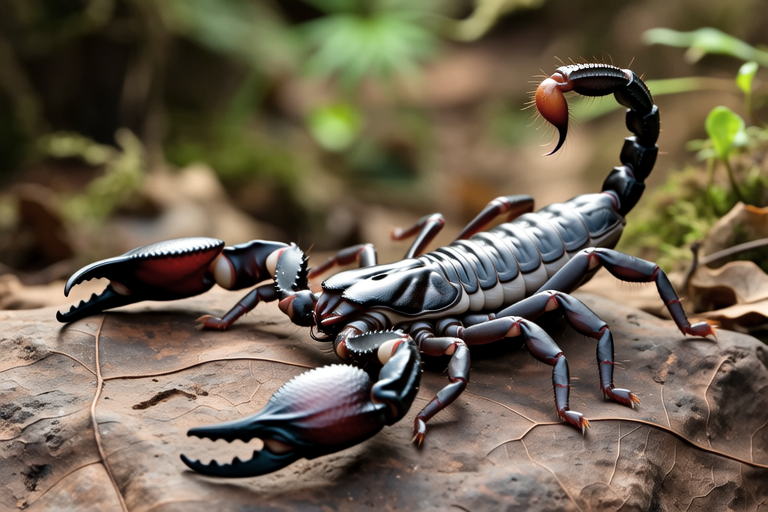
The Intriguing World of Heterometrus Spinifer: A Fascinating Journey into the Life of the Asian Forest Scorpion
When one thinks of scorpions, images of deserts, venomous stings, and nighttime prowling often come to mind. However, there exists a lesser-known species that thrives in the lush, dense forests of Asia – the Heterometrus spinifer. This scorpion, also known as the forest scorpion, is a captivating creature with unique characteristics that set it apart from its desert-dwelling cousins. In this article, we will explore the behavior, habitat, and intriguing aspects of the Heterometrus spinifer, dispelling common fears, comparing it to other species, and shedding light on its ecological significance.
A Habitat Shrouded in Greenery
The Heterometrus spinifer is predominantly found in the tropical rainforests of Southeast Asia, including countries such as Thailand, Malaysia, Indonesia, and parts of India. Unlike its desert counterparts, which are adapted to arid environments, the forest scorpion has evolved to thrive in the humid, dense jungles where it can find ample shelter and prey. The moist environment of these forests provides the perfect conditions for the scorpion’s exoskeleton, which is less prone to drying out compared to those of desert species.
These scorpions prefer to live in burrows or under logs, rocks, and leaf litter, where they can remain hidden from predators and conserve moisture. Their preferred habitats are usually near water sources, ensuring a steady supply of food and a suitable breeding ground. The forest scorpion’s ability to adapt to its surroundings allows it to coexist with a wide variety of other animals, including birds, mammals, and reptiles.
Behavioral Traits: Solitary Predators of the Night
The Heterometrus spinifer is primarily nocturnal, emerging at night to hunt for insects, spiders, and small vertebrates. As solitary predators, these scorpions rely on their keen senses to locate prey in the dark. They possess a pair of large, compound eyes on top of their carapace, along with five smaller eyes arranged in a crescent shape on the front of their head. While these eyes cannot form detailed images, they are highly sensitive to light and motion, allowing the scorpion to detect potential threats or prey in low-light conditions.
Equipped with powerful pincers and a venomous tail, the forest scorpion uses its claws to capture and immobilize prey before delivering a paralyzing sting. The venom contains neurotoxins that disrupt the nervous system of the victim, making it easier for the scorpion to consume its meal. Interestingly, the amount of venom produced by each individual can vary depending on factors such as age, sex, and environmental conditions.
Unique Characteristics: A Thorny Defense Mechanism
One of the most distinctive features of the Heterometrus spinifer is the presence of spines along its tail, giving it its alternative name, the thorny scorpion. These spines serve multiple purposes, acting as both a defensive mechanism and a tool for digging burrows. When threatened, the scorpion may raise its tail and display the spines as a warning to potential predators. If necessary, it can also use the spines to deliver a painful jab, deterring attackers without relying solely on its venom.
Another notable characteristic of the Heterometrus spinifer is its ability to fluoresce under ultraviolet (UV) light. This phenomenon, observed in several scorpion species, occurs due to the presence of fluorescent molecules in the animal’s exoskeleton. The exact purpose of this fluorescence remains a topic of debate among scientists, with some suggesting it may play a role in communication or attracting mates, while others believe it could help the scorpion avoid predation by making it more visible to potential threats.
Myths vs. Realities: Debunking Common Misconceptions
Despite its intimidating appearance and venomous nature, the Heterometrus spinifer is generally considered harmless to humans. Many people associate scorpions with severe pain and life-threatening situations, but the truth is that most scorpion stings are relatively mild, similar to a bee sting. In fact, the venom of the Heterometrus spinifer is primarily designed to subdue small prey rather than cause significant harm to larger animals like humans.
It is important to note that while the majority of scorpion stings are not dangerous, some individuals may experience an allergic reaction or suffer from complications if they are stung multiple times. In such cases, medical attention should be sought immediately. Additionally, pregnant women, young children, and elderly individuals are more susceptible to the effects of scorpion venom and should exercise caution when encountering these creatures.
Comparisons with Other Species: The Forest Scorpion Uniqueness
Compared to other scorpion species, the Heterometrus spinifer exhibits several unique traits that reflect its adaptation to forest environments. For example, its body is more elongated and slender, allowing it to navigate through dense vegetation with ease. In contrast, desert scorpions tend to have shorter, stockier bodies better suited for burrowing and conserving energy in harsh conditions.
Another key difference lies in the composition of their venom. While all scorpions produce venom containing neurotoxins, the specific mixtures and potency can vary significantly between species. The venom of the Heterometrus spinifer is generally less potent than that of certain desert species, reflecting its role as a predator of smaller prey in a more diverse ecosystem.
The Role of the Forest Scorpion in Ecosystems
As top predators within their ecosystems, scorpions play a crucial role in maintaining balance and regulating populations of insects and other small animals. By preying on pests such as termites and ants, the Heterometrus spinifer helps prevent overpopulation and reduces competition for resources among other species. Additionally, the presence of scorpions in an area can serve as an indicator of a healthy, biodiverse ecosystem, as they require a stable environment to thrive.
In turn, scorpions themselves are prey for various animals, including birds, snakes, and mammals. This intricate web of relationships highlights the importance of preserving the habitats of these creatures and ensuring their continued existence. Conservation efforts aimed at protecting forest ecosystems benefit not only scorpions but also countless other species that depend on the same resources.
Safety Tips for Encounters with the Forest Scorpion
While encounters with the Heterometrus spinifer are rare for most people, it is essential to know how to react if you come across one in the wild. Firstly, it is crucial to remember that scorpions are generally shy and will try to avoid confrontation whenever possible. If you spot a scorpion, maintain a safe distance and allow it to retreat on its own.
If you不慎中断,请您看查看后续内容。
