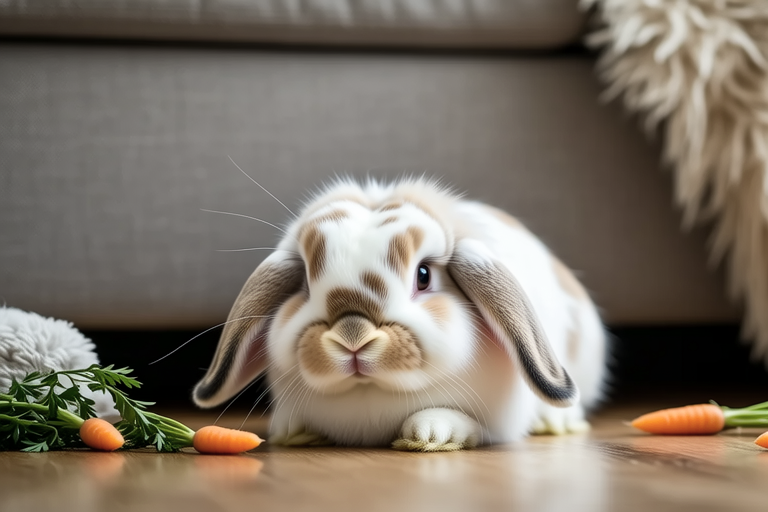
The Cozy Companion: Why Lop Rabbits Make Perfect Pets
When it comes to choosing a pet, many people often overlook the delightful world of rabbits. Among the various breeds available, lop rabbits stand out for their distinctive floppy ears and gentle demeanor. These endearing creatures have become increasingly popular as household pets, offering companionship, charm, and a unique bond with their owners. This article delves into why lop rabbits make perfect pets, exploring their temperament, intelligence, and the ease of caring for them.
Introduction to Lop Rabbits
Lop rabbits are known for their large, drooping ears that hang down by their sides. There are several types of lop rabbits, including English Lops, French Lops, and Holland Lops, each with its own characteristics. Despite their diverse appearances, all lop rabbits share a gentle and affectionate nature, making them ideal companions for families and individuals alike. Their docile temperament and playful spirit ensure that they can adapt well to various living environments, from small apartments to spacious homes.
Suitability as Pets
One of the reasons lop rabbits make such excellent pets is their temperament. They are generally calm and patient, which makes them great for households with children. Unlike some other animals, lop rabbits do not require extensive training to behave well around humans. They are intelligent and quick learners, capable of understanding commands and tricks with consistent positive reinforcement. Their intelligence also means they can become quite attached to their owners, seeking out attention and affection whenever possible.
Temperament and Intelligence
Lop rabbits are not only gentle but also highly intelligent. They enjoy mental stimulation and can be taught simple commands, such as coming when called or sitting on command. Their curiosity often leads them to explore new environments, and they can be trained to use litter boxes, making them relatively easy to house train. This intelligence also contributes to their ability to form strong bonds with their owners, providing a sense of companionship and emotional support.
Ease of Care
Caring for lop rabbits is relatively straightforward, especially when compared to other pets. Their dietary needs are simple, primarily consisting of hay, fresh vegetables, and a limited amount of pellets. Providing a balanced diet ensures their health and longevity. Additionally, regular grooming is necessary to keep their fur clean and free from matting, particularly during shedding seasons.
Housing Needs
Proper housing is crucial for the well-being of your lop rabbit. A spacious hutch or cage with ample room for movement is essential. The enclosure should provide enough space for your rabbit to stretch and move around comfortably. It should also be placed in a quiet area away from direct sunlight and drafts. Indoor housing can be a good option for those living in colder climates or with limited outdoor space. Adding toys and tunnels within the enclosure can help stimulate their natural instincts and provide entertainment.
Dietary Requirements
A healthy diet is vital for the overall health of your lop rabbit. Their diet should primarily consist of hay, which aids in digestion and keeps their teeth worn down. Fresh vegetables, such as carrots, spinach, and parsley, can be offered in moderation. Pellets should be provided in limited quantities, as overfeeding can lead to obesity. It’s important to avoid feeding them foods that are harmful to rabbits, such as chocolate, onions, and garlic.
Exercise and Playtime
Like any other pet, lop rabbits need regular exercise to maintain their physical and mental health. Daily playtime outside their enclosure is recommended. This could involve supervised time in a safe, rabbit-proofed area where they can hop and explore. Providing tunnels, balls, and other interactive toys can enhance their playtime and mental stimulation.
Common Misconceptions About Rabbit Care
One common misconception about rabbit care is that they require minimal attention. While they are relatively independent, they still need daily interaction and care. Another myth is that rabbits can survive solely on a diet of commercial pellets. In reality, a varied diet rich in hay and vegetables is necessary for their health. Lastly, some people believe that rabbits are low-maintenance pets, requiring little grooming. However, regular grooming is essential, especially during shedding periods, to prevent skin issues and keep their coat healthy.
Real-Life Anecdotes and Testimonials
Many owners have found joy and companionship in their lop rabbits. Sarah, a first-time pet owner, shares her experience: “My lop rabbit, Benny, has brought so much happiness to our family. His gentle nature and playful spirit have made him a beloved member of our household. We love watching him interact with his toys and enjoy his company during our daily play sessions.” Another owner, Mark, adds, “What I appreciate most about my lop rabbit, Daisy, is her affectionate nature. She loves snuggling up next to me and often seeks out my attention, making me feel cherished.”
Conclusion
In conclusion, lop rabbits are wonderful companions, offering a unique blend of affection, intelligence, and ease of care. Their gentle temperament, combined with their playful and curious nature, makes them ideal pets for families and individuals alike. By providing proper housing, a balanced diet, and regular exercise, you can ensure a happy and healthy life for your lop rabbit. With their endearing floppy ears and loving personalities, lop rabbits truly make perfect pets, bringing joy and companionship to their human families.
