How to Care for Your Chameleon: A Complete Beginner’s Guide
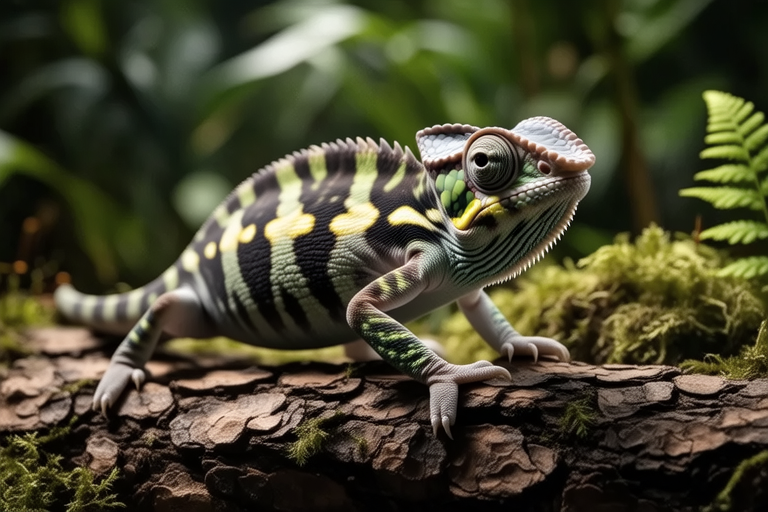
Welcome to the wonderful world of chameleons! These fascinating reptiles have captured the hearts of many pet enthusiasts with their unique appearance and intriguing behaviors. However, caring for a chameleon requires dedication and a good understanding of their specific needs. This comprehensive guide will walk you through the essentials of chameleon care, ensuring that both you and your pet thrive together.
Chameleon Habitat Setup
The first step in providing optimal care for your chameleon is setting up a suitable habitat. Chameleons are arboreal creatures, meaning they spend most of their time in trees. Therefore, their enclosure should mimic this natural environment as closely as possible.
- Enclosure Size: The minimum size for a juvenile chameleon is 18x18x36 inches (45x45x90 cm). For adults, a 24x24x48 inches (60x60x120 cm) or larger enclosure is recommended.
- Branches and Plants: Provide plenty of sturdy branches for climbing and perching. Live plants, such as Ficus benjamina (weeping fig) and Schefflera arboricola (umbrella tree), can enhance the enclosure’s aesthetics while offering hiding spots.
- Background: A naturalistic background, like cork bark or artificial vines, adds depth and encourages climbing.
Temperature and Humidity Requirements
Maintaining the right temperature and humidity levels is crucial for your chameleon’s health. Chameleons are ectothermic, relying on external heat sources to regulate their body temperature.
- Temperature: Create a thermal gradient within the enclosure by placing a heat source at one end. The basking spot should reach around 85-95°F (29-35°C), while the cooler side remains between 75-80°F (24-27°C).
- Humidity: Aim for 40-60% humidity during the day, which increases to 70-80% at night. Proper hydration helps prevent dehydration-related issues.
Appropriate Lighting
Chameleons require specific types of lighting to support their health and well-being.
- Basking Light: Use a high-quality basking bulb to create the necessary heat. Ensure it emits the correct spectrum of light for UVB radiation.
- UVB Lighting: Install a full-spectrum UVB light to promote calcium absorption and vitamin D3 synthesis. Replace bulbs every six months.
- Photoperiod: Maintain a consistent photoperiod of 10-12 hours of light followed by darkness.
Diet and Feeding Schedules
Chameleons are insectivores, meaning their diet consists primarily of insects. A varied diet ensures proper nutrition.
- Insects: Offer crickets, dubia roaches, waxworms, and silkworms. Dust insects with a calcium supplement twice weekly and a multivitamin once weekly.
- Feeding Frequency: Feed juveniles daily, reducing to every other day as they mature. Adults may only need to be fed every two to three days.
- Water: Provide fresh water daily via misting or a drip system. Chameleons drink from droplets rather than drinking from standing water.
Handling Tips
Chameleons are delicate creatures and should be handled with care. Over-handling can stress them out, so limit interactions to a few minutes per week.
- Support: Always support your chameleon’s body when handling. Avoid holding them by the tail.
- Environment: Keep handling sessions brief and ensure the enclosure is secure before removing your pet.
Health Concerns
Regular monitoring and prompt action can help address potential health issues.
- Mouth Rot: Characterized by swelling, redness, and discharge around the mouth. Treat with antibiotics prescribed by a veterinarian.
- Mouth Abscess: Similar symptoms but may include abscesses. Surgical intervention may be necessary.
- Metabolic Bone Disease: Caused by calcium deficiency. Ensure adequate UVB exposure and proper supplementation.
Regular Maintenance
Consistent maintenance ensures a clean and healthy living environment.
- Cleaning: Spot clean daily and perform a thorough cleaning every two weeks. Remove waste, wash non-porous decorations, and replace substrate.
- Monitoring: Regularly check for signs of illness or injury. Weigh your chameleon weekly to monitor growth and overall health.
Conclusion
Raising a chameleon can be a rewarding experience, provided you understand and meet their unique needs. By following this guide, you’ll be well-equipped to provide your chameleon with the best possible care. Remember, patience and attentiveness are key to building a strong bond with your pet. Enjoy the journey of learning and growing together!
