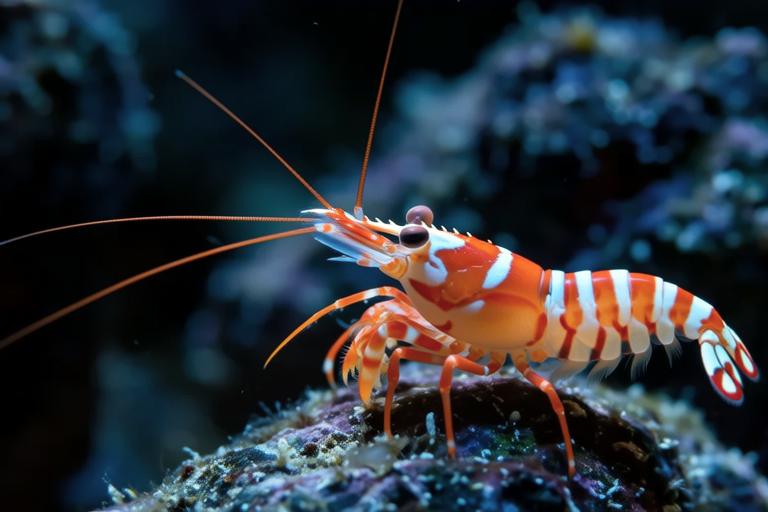
Discover the Hidden Charm of Coral Shrimp: Nature’s Tiny Beauties
Welcome to the enchanting world of coral shrimp, nature’s tiny beauties that add a splash of color and charm to marine ecosystems. These fascinating creatures, known for their vibrant hues and intricate patterns, play a crucial role in maintaining the health and balance of their aquatic environments. This article delves into the unique characteristics, behaviors, and ecological significance of coral shrimp, while also offering valuable insights for aquarium enthusiasts looking to bring these captivating creatures into their homes.
The Unique Characteristics and Habitats of Coral Shrimp
Coral shrimp belong to the family Palaemonidae, a diverse group of decapod crustaceans that includes various species commonly found in tropical and subtropical waters. Their most striking feature is their dazzling array of colors, ranging from electric blues and neon pinks to deep reds and oranges. These vibrant hues serve multiple purposes, including camouflage, communication, and attracting mates. The intricate patterns on their bodies, often resembling delicate lace or intricate mosaics, further enhance their aesthetic appeal.
Coral shrimp thrive in a variety of habitats within coral reefs, mangroves, and seagrass beds. They are particularly fond of areas rich in algae and detritus, where they can find ample food sources and shelter. These habitats provide essential protection against predators and harsh environmental conditions. Coral shrimp are highly adaptable and can be found at different depths, from shallow coastal waters to deeper reef systems, making them a common sight in many marine environments.
The Role of Coral Shrimp in Marine Ecosystems
Beyond their visual appeal, coral shrimp are vital contributors to the health and stability of marine ecosystems. They play a significant role in nutrient cycling and waste management, helping to maintain the delicate balance of their habitats. By feeding on algae and detritus, they prevent the overgrowth of these organisms, which could otherwise smother corals and other sessile invertebrates. Additionally, their scavenging activities contribute to the decomposition process, recycling nutrients back into the ecosystem.
Moreover, coral shrimp are integral to the food web, serving as prey for larger marine animals such as fish and octopuses. Their presence in an ecosystem indicates a healthy and diverse community, as they rely on a balanced environment to thrive. Their beauty and charm extend beyond mere aesthetics, as they embody the interconnectedness of life in the ocean.
Behavior, Diet, and Environmental Interactions
Coral shrimp exhibit a range of fascinating behaviors that reflect their adaptability and intelligence. They are primarily nocturnal, emerging at night to feed and explore their surroundings. During the day, they seek refuge in crevices, under rocks, or among coral branches, where they remain relatively inactive. This diurnal pattern helps them avoid predators and conserve energy.
Feeding habits vary among species but generally involve grazing on algae, detritus, and small planktonic organisms. Some species are opportunistic feeders, supplementing their diet with organic debris and dead matter. Their diet is critical to their survival, as it provides essential nutrients and energy for growth, reproduction, and overall well-being.
In terms of environmental interactions, coral shrimp have developed remarkable adaptations to survive in their dynamic habitats. Many species possess specialized appendages, such as long antennae and modified claws, which aid in navigation, communication, and defense. Their ability to change coloration and texture allows them to blend seamlessly with their surroundings, providing an additional layer of protection against potential threats.
Tips for Aquarium Enthusiasts: Keeping Coral Shrimp
For aquarium enthusiasts interested in cultivating a thriving reef tank, coral shrimp can be a rewarding addition. However, it is essential to understand their specific care requirements to ensure their well-being and longevity. Below are some key tips for successfully keeping coral shrimp:
- Water Quality: Maintain optimal water parameters, including temperature, salinity, pH, and ammonia levels. Regular testing and monitoring are crucial to prevent stress and disease.
- Diet: Offer a varied diet consisting of algae wafers, frozen foods, and occasional live foods. Supplement with calcium and trace elements to support their shell development.
- Habitat: Provide ample hiding spots, such as live rock, coral structures, and artificial caves. These shelters offer security and promote natural behaviors.
- Compatibility: Choose tankmates carefully to avoid aggressive or predatory species. Compatible companions include peaceful fish, snails, and other non-aggressive invertebrates.
- Acclimation: Gradually introduce new shrimp to the tank to minimize shock and stress. Use a drip acclimation method for best results.
By incorporating coral shrimp into your reef tank, you not only enhance its visual appeal but also contribute to a healthier and more balanced ecosystem. Their presence can help control algae growth, improve water quality, and foster a sense of harmony within the tank.
The Importance of Preserving Coral Shrimp and Their Habitats
As we marvel at the hidden charm of coral shrimp, it is imperative to recognize the challenges they face in their natural habitats. Human activities, such as overfishing, pollution, and climate change, pose significant threats to their survival. Coral reefs, the primary habitat of many coral shrimp species, are particularly vulnerable to degradation and destruction. Protecting these fragile ecosystems is crucial for ensuring the continued existence of these tiny beauties.
Conservation efforts aimed at preserving coral reefs and their inhabitants are vital for future generations. By supporting sustainable fishing practices, reducing plastic waste, and advocating for policies that protect marine environments, we can contribute to the preservation of coral shrimp and their habitats. Additionally, promoting awareness and education about the importance of marine biodiversity can inspire others to take action and make a difference.
In conclusion, coral shrimp are more than just eye-catching additions to marine ecosystems; they are essential components that contribute to the health and balance of their environments. Their unique characteristics, behaviors, and ecological roles make them fascinating subjects of study and admiration. For those fortunate enough to keep them in home aquariums, coral shrimp offer a glimpse into the wonders of the ocean and the intricate relationships that exist within it. By appreciating and protecting these tiny beauties, we can ensure their continued existence and the preservation of the marine world for future generations.
