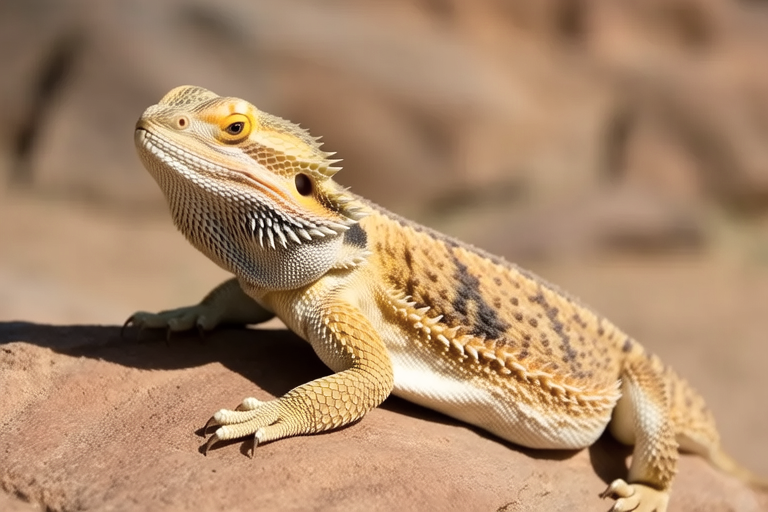
The Secret to Raising a Vibrant and Active Bearded Dragon
Welcome to the fascinating world of bearded dragons! These charismatic reptiles have become increasingly popular as pets due to their docile nature and ease of care. However, raising a vibrant and active bearded dragon requires more than just providing food and shelter; it demands a well-rounded approach that encompasses diet, habitat setup, lighting, temperature control, and regular health checks. This article will guide you through the essential aspects of bearded dragon care, offering valuable tips to ensure your scaly companion thrives.
Diet: The Foundation of a Healthy Bearded Dragon
A balanced diet is crucial for maintaining the health and activity levels of your bearded dragon. Their diet should primarily consist of insects, supplemented with vegetables and fruits. Insects such as crickets, dubia roaches, and waxworms provide essential proteins, while vegetables like collard greens, mustard greens, and carrots offer vitamins and minerals. It’s important to gut-load the insects by feeding them nutritious foods before offering them to your dragon. Additionally, dusting the insects with calcium and multivitamin powders ensures they receive all necessary nutrients. Avoid overfeeding, as obesity can lead to health issues. Feeding your bearded dragon appropriately will help maintain its energy levels and overall vitality.
Habitat Setup: Creating a Comfortable Home
Setting up the perfect habitat is key to keeping your bearded dragon happy and active. A spacious enclosure, at least 40 gallons for an adult, allows ample room for movement. Line the bottom with a suitable substrate, such as reptile carpet or paper towels, to prevent ingestion of harmful materials. Equip the tank with branches, rocks, and hides to mimic natural environments and provide climbing opportunities. A shallow water dish should also be included for hydration and occasional soaking. Regular cleaning of the enclosure is vital to prevent bacterial growth and maintain hygiene. By creating a stimulating environment, you encourage exploration and physical activity, contributing to your dragon’s well-being.
Lighting Requirements: Emulating Natural Conditions
Proper lighting is essential for the health and vitality of your bearded dragon. UVB lighting simulates sunlight, enabling the synthesis of vitamin D3, which aids in calcium absorption. Place the UVB light on one side of the tank to create a gradient of light intensity, allowing your dragon to regulate its exposure. Position the basking lamp on the opposite side to provide a warm spot for thermoregulation. Ensure the lights are positioned correctly and replaced every six months, even if they still appear functional. Incorrect lighting can lead to metabolic bone disease and other health problems, so investing in high-quality fixtures and bulbs is crucial.
Temperature Management: Maintaining Optimal Conditions
Bearded dragons are ectothermic, meaning they rely on external heat sources to regulate their body temperature. Achieve this by setting up a thermal gradient within the enclosure. Use a digital thermometer to monitor temperatures and adjust heating elements accordingly. The basking area should reach between 95°F and 110°F (35°C to 43°C), while the cooler end remains around 75°F to 85°F (24°C to 29°C). Nighttime temperatures can drop slightly but should never fall below 65°F (18°C). Consistent temperature control is vital for digestion, metabolism, and overall health. Avoid drastic fluctuations, which can stress your dragon and affect its activity levels.
Handling Techniques: Building Trust and Bonding
Gentle handling is important for bonding with your bearded dragon and ensuring its comfort. Always support its body when holding, especially the belly, to prevent injury. Start by placing your hand in the enclosure and allowing your dragon to approach you voluntarily. Gradually increase the duration of handling sessions as trust develops. Be patient and avoid sudden movements that may startle your pet. Handling your bearded dragon regularly helps reduce stress and promotes positive interactions, fostering a strong bond between you and your scaly friend.
Regular Health Checks: Monitoring Vital Signs
Regular health checks are crucial for identifying potential issues early and ensuring your bearded dragon remains vibrant and active. Monitor its appetite, stool consistency, and overall demeanor daily. Look for signs of illness such as lethargy, loss of appetite, or unusual discharge. Schedule routine veterinary visits for examinations and vaccinations. Early intervention can prevent minor issues from becoming serious problems. Familiarize yourself with common symptoms of illness and consult a veterinarian promptly if you notice any concerning changes. By staying vigilant, you contribute to your dragon’s long-term health and happiness.
Enrichment Activities: Keeping Your Dragon Engaged
Incorporating enrichment activities into your bearded dragon’s routine stimulates mental and physical engagement. Offer novel objects, such as puzzle feeders or branches with leaves, to encourage exploration and problem-solving. Rotate toys periodically to maintain interest. Interactive playtime with gentle handling sessions also provides mental stimulation. Enrichment activities enhance your dragon’s quality of life, promoting active behavior and reducing boredom. A mentally stimulated bearded dragon is more likely to exhibit vibrant and energetic behaviors.
Common Mistakes to Avoid
Avoid common pitfalls that can negatively impact your bearded dragon’s vitality. Insufficient lighting leads to metabolic bone disease, while inadequate heating causes lethargy and poor digestion. Overfeeding results in obesity, while underfeeding can lead to malnutrition. Improper handling can cause stress and injury. Failing to provide a varied diet deprives your dragon of essential nutrients. Regularly review your care practices and make adjustments as needed. By learning from these mistakes, you can ensure your bearded dragon enjoys a long and healthy life.
In conclusion, raising a vibrant and active bearded dragon involves a combination of proper nutrition, habitat setup, lighting, temperature management, handling techniques, and enrichment activities. By addressing these areas comprehensively, you can create an environment that supports your dragon’s health and happiness. Remember, the secret lies in dedication, attention to detail, and a genuine love for these fascinating creatures. With the right care, your bearded dragon will thrive, bringing joy and companionship to your home.
