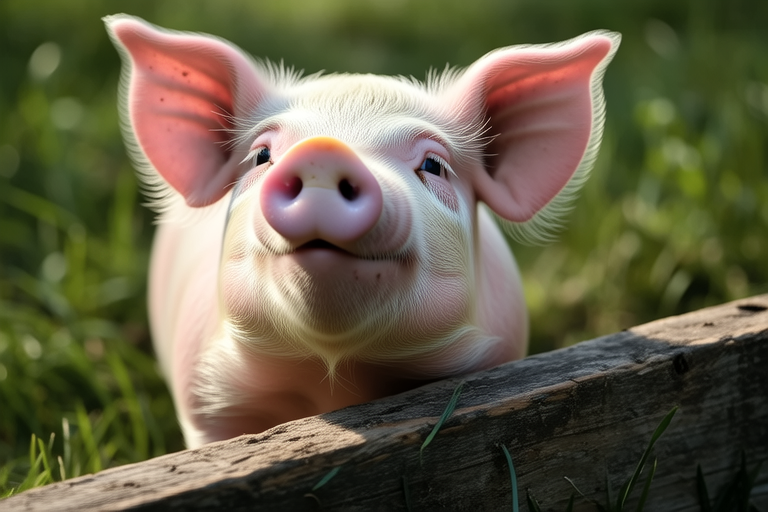
Mini Pigs: The Unexpectedly Clever Pets You Need to Know About
When it comes to choosing a pet, many people overlook mini pigs due to their small size and the assumption that they are easy to care for. However, these animals are far more complex than most people realize. Mini pigs possess remarkable cognitive abilities, social behaviors, and adaptability that make them unique companions. In this article, we will explore the intelligence of mini pigs, their social interactions, care requirements, common misconceptions, and why they make such interesting pets.
Cognitive Abilities of Mini Pigs
Mini pigs are known for their high level of intelligence, comparable to that of dogs and even some primates. Studies have shown that they can solve problems, learn new tricks, and understand basic commands. For example, a study conducted by researchers at the University of Pennsylvania found that mini pigs could identify objects based on color and shape. This ability demonstrates their capacity for visual discrimination, which is a key indicator of cognitive function.
In addition to their problem-solving skills, mini pigs are also capable of learning complex tasks through positive reinforcement training. One real-life example of this is a mini pig named Daisy who was trained to push a button to release food. Her owner used treats and praise to encourage her to perform the task, and after several weeks of practice, Daisy mastered the skill. This example illustrates how mini pigs can be trained to perform specific actions, showcasing their intelligence and adaptability.
Social Behaviors
Mini pigs are highly social animals that thrive on interaction with both humans and other animals. They form strong bonds with their owners and enjoy spending time together. In fact, many owners report that their mini pigs seek out attention and affection, much like dogs. This social nature makes them excellent companions for people who enjoy having a pet that is always eager to engage.
Mini pigs also exhibit a range of social behaviors, including playfulness, curiosity, and even jealousy. For instance, some mini pigs may become upset if they see their owner paying attention to another pet or person. This behavior is similar to what is observed in dogs and cats, further highlighting the similarities between mini pigs and other popular pets.
Care Requirements
While mini pigs may seem like low-maintenance pets, they actually require a significant amount of care and attention. Proper nutrition, exercise, and mental stimulation are all essential for maintaining their health and well-being. Mini pigs are omnivores, meaning they eat both plants and meat, so their diet should include a variety of fruits, vegetables, grains, and proteins. It is important to consult with a veterinarian or animal nutritionist to ensure that your mini pig’s diet meets all of its nutritional needs.
Exercise is another crucial aspect of mini pig care. These animals need plenty of opportunities to move around and explore their environment. Providing toys, puzzles, and other forms of enrichment can help keep mini pigs mentally stimulated and prevent boredom. Additionally, regular veterinary check-ups are necessary to monitor their health and catch any potential issues early.
Common Misconceptions
One of the most common misconceptions about mini pigs is that they are easy to care for. While they may be smaller than standard-sized pigs, they still require a significant amount of attention and resources. Another misconception is that mini pigs are always small, but in reality, their size can vary depending on breed and genetics. Some mini pigs may grow to be quite large, so it is important to research the specific breed you are interested in before making a decision.
Another misconception is that mini pigs are suitable pets for everyone. While they can make wonderful companions for the right family, they are not ideal for every household. Mini pigs require a lot of space, time, and attention, so it is important to consider whether you have the resources to provide for their needs before adopting one.
Why Mini Pigs Make Unique Companions
Despite the challenges associated with caring for mini pigs, they can make incredibly rewarding pets for the right owner. Their intelligence, social nature, and unique personalities make them fascinating companions. Mini pigs are also relatively long-lived compared to many other small pets, with a lifespan of 10-15 years. This means that once you bring a mini pig into your home, you can expect to have a loyal companion for many years to come.
Additionally, mini pigs are highly adaptable and can live comfortably in a variety of environments, from apartments to rural settings. With the right care and attention, they can thrive in almost any situation. This adaptability, combined with their intelligence and social nature, makes mini pigs truly unique pets.
The Importance of Education and Understanding Before Adoption
Before adopting a mini pig, it is crucial to educate yourself about their care requirements and behavior. This includes researching different breeds, consulting with veterinarians and experienced owners, and preparing your home for a new pet. Proper preparation can help ensure that both you and your mini pig are happy and healthy.
It is also important to understand the commitment involved in owning a mini pig. These animals require a significant amount of time, effort, and resources, so it is essential to be prepared for the responsibilities that come with ownership. By taking the time to learn about mini pigs and their needs, you can ensure that you are making an informed decision about whether or not they are the right pet for you.
In conclusion, mini pigs are intelligent, social animals that make unique and rewarding companions for the right owner. While they may require more care and attention than some other pets, their cognitive abilities, social behaviors, and adaptability make them truly special. By educating yourself about mini pigs and their needs, you can ensure that you are prepared for the joys and challenges of owning one of these remarkable animals.
