How to Ensure Your Persian Cat Lives a Long and Healthy Life
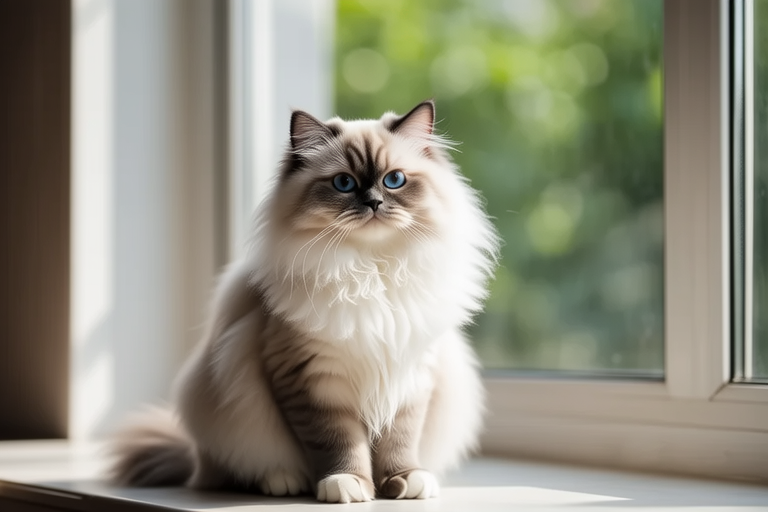
Persian cats are known for their luxurious coats, expressive eyes, and gentle demeanor. They are one of the most popular breeds worldwide, but like all cats, they require special care to ensure a long and healthy life. This article will provide you with comprehensive guidance on how to care for your Persian cat, covering proper diet, regular veterinary care, grooming needs, environmental enrichment, exercise recommendations, and common health issues to watch out for.
Proper Diet
A balanced diet is crucial for your Persian cat’s overall health. These cats are prone to obesity, so it’s essential to feed them a high-quality, nutritionally balanced diet that meets their specific dietary needs. Opt for premium cat food that contains high-quality animal proteins, such as chicken, fish, or turkey. Avoid foods with fillers, artificial preservatives, and by-products.
Feeding your Persian cat the right amount of food is just as important as choosing the right type. Overfeeding can lead to weight gain, which increases the risk of various health problems, including diabetes, heart disease, and arthritis. Consult with your veterinarian to determine the appropriate portion size based on your cat’s age, weight, and activity level. Consider using puzzle feeders to encourage mental stimulation while feeding, which can also help control calorie intake.
Ensure your cat has access to fresh water at all times. Persian cats are prone to urinary tract infections, so keeping them hydrated is vital. You may want to consider placing multiple water bowls around your home or even investing in a pet water fountain to encourage drinking.
Regular Veterinary Care
Scheduling routine check-ups with your veterinarian is essential for your Persian cat’s health. Regular visits allow your vet to monitor your cat’s overall health, catch potential issues early, and provide necessary vaccinations. Annual exams are recommended, but some cats may need more frequent visits depending on their age and any pre-existing conditions.
Vaccinations are crucial in protecting your cat from serious diseases. Core vaccines, such as those for feline panleukopenia, calicivirus, herpesvirus, and rabies, are typically administered during kittenhood and then boostered annually. Non-core vaccines, like those for feline leukemia virus (FeLV) and feline immunodeficiency virus (FIV), may be recommended based on your cat’s lifestyle and risk factors.
In addition to vaccinations, spaying or neutering your Persian cat can have numerous health benefits. It reduces the risk of certain cancers, prevents unwanted pregnancies, and helps control behavioral issues such as spraying and roaming. Discuss the best timing for this procedure with your veterinarian.
Grooming Needs Specific to Persian Cats
Persian cats are famous for their long, dense coats, which require regular grooming to prevent matting and skin irritation. Daily brushing is ideal, but if you’re unable to commit to this schedule, aim for at least three to four times per week. Use a slicker brush and a wide-tooth comb to remove loose hair and prevent tangles.
Pay extra attention to areas where mats tend to form, such as behind the ears, under the legs, and around the tail. Be gentle when handling these sensitive areas. If you encounter a stubborn mat, consult with a professional groomer rather than attempting to cut it yourself, as this could cause injury.
Trimming your Persian cat’s nails every two weeks is also important. Use sharp, high-quality nail clippers designed for cats, and take care not to cut into the quick, which contains blood vessels and nerves. If you’re unsure about trimming your cat’s nails, ask your veterinarian or a professional groomer for assistance.
Finally, keep your Persian cat’s eyes and ears clean. Use a soft cloth dampened with warm water to gently wipe away any discharge or debris from the eyes. For ear cleaning, use a cotton ball or soft cloth and a veterinarian-approved ear cleaner. Never insert anything into your cat’s ear canal, as this could cause damage.
Environmental Enrichment
Persian cats are generally calm and quiet, but they still need mental and physical stimulation to thrive. Create an enriching environment by providing scratching posts, interactive toys, and hiding spots. Scratching posts help maintain your cat’s claws and satisfy their natural instinct to scratch. Choose posts made from materials your cat enjoys, such as sisal rope or cardboard.
Toys that promote play and interaction are excellent for mental stimulation. Puzzle feeders, laser pointers, and feather wands are great options. Rotate toys regularly to keep your cat interested and engaged. Interactive play sessions with you are also beneficial, as they strengthen the bond between you and your cat.
Create safe spaces for your Persian cat to explore and rest. Provide cozy beds in quiet corners of your home and elevated perches that offer a view of their surroundings. Persian cats enjoy observing their environment from above, so consider installing cat trees or shelves that allow them to climb and perch comfortably.
Exercise Recommendations
Despite their calm nature, Persian cats benefit from regular exercise to maintain a healthy weight and improve cardiovascular health. Encourage playtime with interactive toys that stimulate both mind and body. Laser pointers, feather wands, and automatic cat toys that mimic prey movement are particularly effective.
Consider incorporating short periods of supervised outdoor time if your Persian cat is accustomed to it. However, due to their long fur and delicate nature, many owners prefer to keep their Persians indoors for safety reasons. If you choose to keep your cat indoors, create an enriched indoor environment with vertical space, climbing structures, and hiding spots.
Monitor your Persian cat’s activity levels and adjust your exercise routine accordingly. Some cats may become less active as they age, so it’s important to adapt your approach to suit their changing needs. Gentle play sessions and mental stimulation are often more effective for older cats than rigorous physical activity.
Common Health Issues to Watch Out For
Persian cats are susceptible to certain health issues, some of which are hereditary. Being aware of these conditions allows you to recognize symptoms early and seek prompt veterinary care.
- Polycystic Kidney Disease (PKD): PKD is a genetic disorder characterized by the growth of fluid-filled cysts in the kidneys. While there is no cure, early detection through ultrasound screening can help manage the condition and slow its progression.
- Hypertrophic Cardiomyopathy (HCM): HCM is a heart disease that causes the walls of the heart to thicken, leading to poor cardiac function. Regular veterinary check-ups and echocardiograms can help detect HCM early.
- Upper Respiratory Infections: Persian cats are prone to upper respiratory infections due to their flattened faces and narrow nostrils. Symptoms include sneezing, runny nose, and watery eyes. Prompt treatment with antibiotics or antiviral medications is crucial.
- Obesity: As mentioned earlier, Persian cats are predisposed to obesity, which can lead to numerous health problems. Monitor your cat’s weight and adjust their diet and exercise routine as needed.
- Eye Problems: Persian cats are susceptible to eye infections, ulcers, and other ocular issues due to their prominent eyes. Keep an eye out for signs of discomfort, such as squinting, excessive tearing, or pawing at the eyes.
By being proactive and addressing these health concerns early, you can help ensure your Persian cat lives a long and healthy life.
In conclusion, caring for a Persian cat requires dedication and attention to detail. By providing a balanced diet, scheduling regular veterinary care, meeting grooming needs, creating an enriched environment, encouraging exercise, and monitoring for common health issues, you can help your Persian cat live a long, happy, and healthy life. Remember that each cat is unique, so tailor your approach to suit your pet’s individual needs and preferences. With proper care and love, your Persian cat will bring joy and companionship for many years to come.
