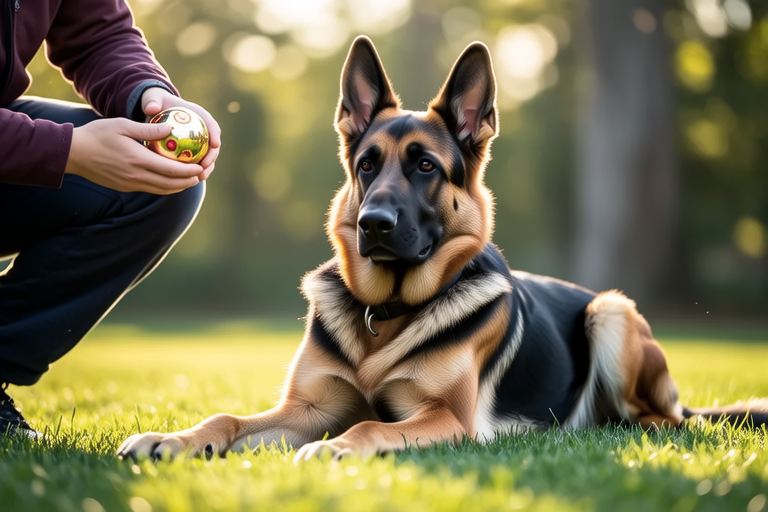
Unveiling the Best Training Tips for Your Energetic German Shepherd
German Shepherds are one of the most popular breeds around the world, known for their loyalty, intelligence, and versatility. Their high energy levels make them ideal for various activities such as agility, tracking, and search and rescue. However, this same energy can also pose challenges if not properly channeled. This article aims to provide you with comprehensive training tips that will help you harness your German Shepherd’s potential while ensuring a harmonious relationship.
Understanding Your German Shepherd’s Intelligence
One of the most remarkable traits of German Shepherds is their intelligence. They are quick learners and excel at problem-solving tasks. Understanding this intelligence is crucial for effective training. German Shepherds have a strong desire to please their owners, which makes positive reinforcement an incredibly powerful tool. By rewarding good behavior, you can encourage your dog to repeat those actions, fostering a bond built on trust and respect.
Basic Obedience Training
Training your German Shepherd from a young age sets the foundation for a well-behaved adult dog. Basic commands such as ‘sit’, ‘stay’, ‘come’, and ‘leave it’ are essential for everyday life. Start by teaching these commands in a quiet, distraction-free environment. Use treats as rewards to make the learning process enjoyable for your dog. Gradually increase the difficulty by introducing distractions and practicing in different environments.
Consistency is key when it comes to obedience training. Make sure everyone in the household uses the same commands and follows the same rules. This consistency helps prevent confusion and reinforces the desired behaviors. Additionally, keep training sessions short and frequent to maintain your dog’s attention and prevent fatigue.
Harnessing Energy for Activities
German Shepherds thrive on physical activity and mental stimulation. Harnessing their energy through activities like agility, tracking, or obedience trials can be both fun and beneficial for their overall health. Agility courses challenge your dog’s physical abilities and teach them to respond quickly to your commands. Tracking exercises, on the other hand, engage their natural instincts and provide mental stimulation.
To start, introduce your dog to the basics of the chosen activity in a controlled setting. For agility, familiarize your dog with the equipment and gradually build up the complexity of the course. For tracking, begin by having your dog follow a scent trail you’ve laid out and gradually increase the difficulty. Always ensure that your dog enjoys the activity and doesn’t feel pressured. Positive reinforcement can greatly enhance their performance and enjoyment.
Socialization Techniques
Proper socialization is crucial for any dog but especially important for German Shepherds due to their protective nature. Early exposure to different people, animals, and environments helps your dog develop confidence and good manners. Socialization should start during puppyhood and continue throughout your dog’s life.
Begin by taking your puppy on walks in various locations, allowing them to meet new people and interact with other dogs. Enroll in puppy classes where they can learn to behave around other dogs and people in a structured environment. Always supervise interactions to ensure safety and intervene if necessary. Remember, positive experiences during socialization can significantly influence your dog’s behavior as an adult.
Dealing with Common Behavioral Issues
Despite their intelligence and trainability, German Shepherds can sometimes exhibit challenging behaviors. Some common issues include separation anxiety, excessive barking, and destructive chewing. Addressing these issues requires patience, understanding, and consistent training.
Separation anxiety can be alleviated by gradually increasing the time your dog spends alone. Provide them with toys or puzzles that keep them occupied and reduce their stress. Excessive barking often stems from boredom or seeking attention. Redirect their focus by teaching them alternative behaviors, such as fetching a toy, and reward them for being quiet. Destructive chewing can be managed by providing appropriate chew toys and redirecting their attention when they chew on inappropriate items.
It’s important to address behavioral issues early and consistently. Seek professional help if needed, as a trainer or behaviorist can offer personalized advice and guidance.
The Role of Positive Reinforcement
Positive reinforcement plays a vital role in training your German Shepherd. It involves rewarding desirable behaviors, thereby encouraging your dog to repeat those actions. Rewards can include treats, praise, petting, or playtime. The key is to be timely and consistent with your rewards.
Positive reinforcement not only strengthens the bond between you and your dog but also promotes a more relaxed and confident demeanor. Avoid using punishment as it can lead to fear, aggression, or confusion. Instead, focus on rewarding good behavior and redirecting unwanted behavior.
Patient Training
Training a German Shepherd requires patience and perseverance. Every dog learns at their own pace, and setbacks are inevitable. Stay calm and focused during training sessions, and remember that progress takes time. Celebrate small victories and remain committed to the process.
Building a strong relationship with your German Shepherd is just as important as teaching specific commands. Spend quality time together, engage in activities they enjoy, and show them affection. A well-trained and happy dog is a reflection of your dedication and commitment.
Conclusion
Training your energetic German Shepherd is a rewarding journey that requires patience, consistency, and positive reinforcement. By understanding their intelligence and providing proper socialization, you can help them become well-rounded, obedient, and happy companions. Whether you’re teaching basic commands, participating in activities, or addressing behavioral issues, always approach training with love and respect. With the right approach, you’ll unlock your German Shepherd’s full potential and enjoy a lifetime of companionship.
