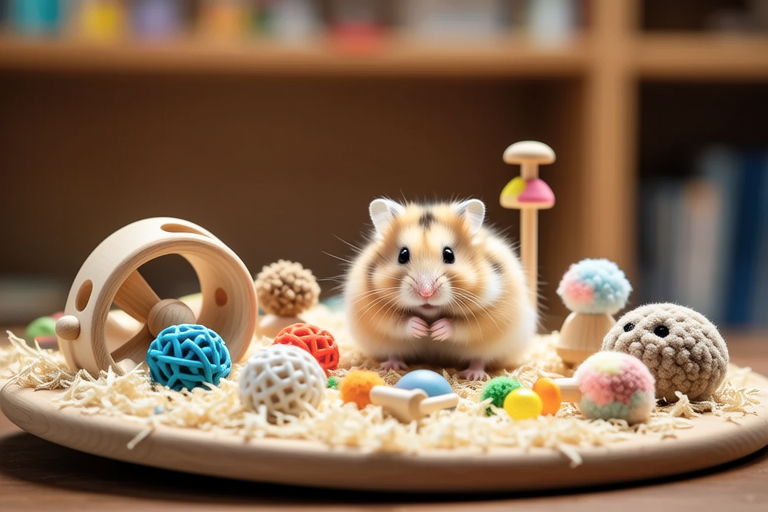
Top 10 Toys Every Happy Golden Hamster Needs
Welcome to the world of golden hamster care! These small, furry creatures are not just pets but companions who require attention, love, and stimulating environments to thrive. Providing your golden hamster with the right toys is crucial for their physical and mental well-being. This article will guide you through the top 10 toys every happy golden hamster needs, detailing their benefits, usage, and maintenance. Whether you’re a first-time owner or a seasoned hamster enthusiast, these insights will help you create a fun and enriching environment for your pet.
1. Exercise Wheels
The exercise wheel is one of the most essential toys for a golden hamster. It allows them to run and burn off energy, which is vital for their physical health. A well-designed wheel prevents injuries by ensuring that there are no gaps between the bars, thus preventing limbs from getting caught. The ideal diameter for an exercise wheel for a golden hamster is around 8 inches. This size provides enough room for your hamster to run comfortably without causing spinal problems.
Usage: Place the wheel in the center of the cage where it won’t block other areas. Ensure it is securely fastened to prevent any wobbling that could lead to accidents. Monitor your hamster’s running habits; excessive running might indicate boredom or anxiety, so consider providing additional enrichment activities.
Maintenance: Regularly clean the wheel to remove dust and hair. Use a mild detergent and water, then dry thoroughly before reinstallation. Replace the wheel if it shows signs of wear and tear.
2. Tunnels and Hideouts
Tunnels and hideouts provide shelter, security, and exploration opportunities. They mimic the burrowing behavior of wild hamsters, which is instinctive and fulfilling. Choose tunnels made of safe materials like plastic or untreated wood. Ensure they are sturdy and have smooth edges to avoid injuries.
Usage: Arrange tunnels in different configurations to encourage exploration. Add hideouts at the end of tunnels to offer a cozy resting spot. Rotate the positions of tunnels periodically to keep the environment interesting.
Maintenance: Clean tunnels and hideouts weekly with a pet-safe disinfectant. Check for any cracks or sharp edges that could harm your hamster.
3. Chew Toys
Chew toys are vital for maintaining dental health. Hamsters’ teeth grow continuously, and chewing helps wear them down. Provide toys made from safe materials such as untreated wood, cardboard, or soft rubber. Avoid plastics that can splinter or release harmful chemicals when chewed.
Usage: Place chew toys in various locations within the cage to encourage chewing throughout the day. Rotate chew toys regularly to maintain interest.
Maintenance: Inspect chew toys frequently for signs of wear. Remove any pieces that are small enough to swallow or cause choking hazards.
4. Balls and Baskets
Balls and baskets offer supervised playtime outside the cage. They allow your hamster to explore a larger space under your supervision. Balls should be spacious enough to allow your hamster to move freely inside. Baskets provide a gentle way for your hamster to experience different textures and heights.
Usage: Use balls and baskets only under direct supervision to ensure safety. Limit playtime to short intervals to prevent exhaustion.
Maintenance: Clean balls and baskets after each use. Check for any damage that could pose a risk to your hamster.
5. Ladders and Bridges
Ladders and bridges stimulate climbing and jumping, which are natural behaviors for hamsters. They also promote muscle development and coordination. Opt for structures made from non-toxic materials and ensure they are securely attached to prevent falls.
Usage: Place ladders and bridges in areas of the cage that are easy for your hamster to access. Encourage climbing by placing treats at the top of the structure.
Maintenance: Regularly check for loose screws or broken parts. Clean ladders and bridges with a damp cloth and mild detergent.
6. Puzzle Feeders
Puzzle feeders encourage problem-solving and slow feeding, which can help prevent obesity and boredom. These toys dispense treats when manipulated correctly, promoting mental stimulation. Choose puzzle feeders that are appropriate for your hamster’s size and strength.
Usage: Fill puzzle feeders with small amounts of treats and place them in various locations within the cage. Observe your hamster as they figure out how to get the treats.
Maintenance: Clean puzzle feeders after each use to prevent bacterial growth. Inspect for any cracks or loose parts.
7. Hammocks and Swings
Hammocks and swings provide a unique resting place and add variety to the cage environment. They are especially beneficial for hamsters that enjoy hanging upside down. Look for hammocks and swings made from soft, breathable materials that won’t irritate your hamster’s skin.
Usage: Hang hammocks and swings in areas of the cage where they won’t interfere with other activities. Some hamsters may take time to adjust to these new items, so be patient.
Maintenance: Clean hammocks and swings weekly with a pet-safe cleaner. Check for any frayed edges or weak points.
8. Mirrors
Mirrors can provide companionship and mental stimulation for solitary hamsters. While some hamsters may ignore mirrors, others find them fascinating. Choose mirrors that are easy to clean and attach securely to the cage.
Usage: Place mirrors in strategic locations within the cage. Some hamsters may interact with the mirror, while others may simply use it as another surface to explore.
Maintenance: Clean mirrors regularly to maintain clarity. Check for any cracks or damage that could harm your hamster.
9. Sand Baths
Sand baths are essential for grooming and hygiene. They allow hamsters to roll in the sand to clean themselves and reduce oil buildup. Use chinchilla sand, which is safe and effective for this purpose. Avoid using bathing sand from pet stores as it may contain harmful additives.
Usage: Provide a shallow container filled with about an inch of sand. Ensure the container is large enough for your hamster to move freely. Offer sand baths several times a week, but never force your hamster to use it.
Maintenance: After each bath, discard the used sand and replace it with fresh sand. Clean the container thoroughly before refilling.
10. Interactive Play Sessions
Interactive play sessions involve playing with your hamster directly. This strengthens the bond between you and your pet and provides mental stimulation. Use toys that are safe for handling, such as soft balls or lightweight toys.
Usage: Schedule regular play sessions outside the cage. Supervise your hamster closely during these sessions to ensure safety. Use treats as positive reinforcement during playtime.
Maintenance: Clean toys used during play sessions after each session. Store toys in a safe location until the next playtime.
Selecting Appropriate Sizes, Materials, and Activities
When choosing toys for your golden hamster, consider their size, age, and activity level. Younger hamsters may need more stimulating toys, while older hamsters might prefer quieter, less strenuous activities. Always opt for toys made from safe, non-toxic materials. Avoid toys that can be easily swallowed or those that have small parts that could become choking hazards.
Rotate toys regularly to keep your hamster engaged and interested. Introduce new toys gradually to give your hamster time to adapt. Be mindful of your hamster’s preferences and adjust the selection of toys accordingly.
Tips for Safe Play and Proper Toy Maintenance
To ensure your hamster’s safety and the longevity of their toys, follow these guidelines:
- Monitor your hamster during playtime to prevent accidents.
- Clean toys regularly to maintain hygiene and functionality.
- Inspect toys for any signs of wear or damage and replace them as needed.
- Provide a balanced diet and sufficient exercise to complement the use of toys.
- Ensure that the environment is free from potential hazards such as toxic plants or unsafe objects.
In conclusion, providing your golden hamster with a variety of toys is essential for their health and happiness. By selecting appropriate toys, using them safely, and maintaining them properly, you can ensure that your pet remains active, stimulated, and content. With these insights, you’ll be well-equipped to create a joyful and enriching environment for your beloved golden hamster.
