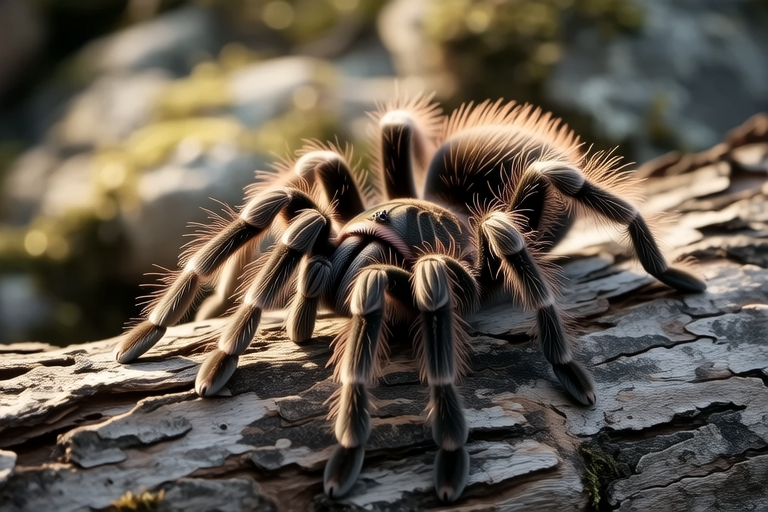
How Caring for a Tarantula Can Teach Patience and Responsibility
Tarantulas, with their distinct appearance and intriguing behaviors, make for unique and fascinating pets. Unlike traditional pets like dogs or cats, tarantulas require specialized care and attention. Their maintenance demands a certain level of commitment and responsibility, which can teach valuable life skills, particularly patience and long-term dedication.
Before diving into the world of tarantula ownership, it’s crucial to understand the specific requirements for setting up their environment. The initial setup involves preparing a habitat that mimics their natural environment. This includes selecting the right type of enclosure, substrate, and accessories. The enclosure must be secure to prevent escapes, with ventilation holes for air circulation. Substrate, such as coconut fiber or peat moss, should be deep enough for burrowing and easy to maintain.
Understanding the dietary needs of your tarantula is equally important. Most species thrive on a diet of crickets, supplemented occasionally with other insects. It’s essential to ensure that the prey items are appropriately sized for the tarantula, as oversized food can cause digestive issues or even injury. Feeding them too frequently can lead to obesity, while underfeeding can result in malnutrition. A balanced feeding schedule is key to maintaining your tarantula’s health.
Daily Care Routine: A Lesson in Slow and Steady Handling
The daily care routine for tarantulas involves meticulous attention to detail. One of the most critical aspects of this routine is handling them carefully. Tarantulas are delicate creatures that can be easily stressed by sudden movements or rough handling. When interacting with your tarantula, move slowly and steadily to avoid startling it. Always support its body properly and avoid squeezing or pinching.
Regular observation of your tarantula’s behavior is also part of the daily routine. By watching closely, you can learn about their preferences and habits. For instance, you might notice certain times of day when they are more active or particular areas of their enclosure they prefer. Understanding these patterns helps in providing the best possible care and enriching their environment.
Another aspect of daily care is cleaning their enclosure. This includes removing uneaten prey and any waste. While tarantulas do not require frequent cleaning, maintaining a clean environment is crucial for their health. Accumulated waste can attract pests or lead to bacterial growth, which can harm your tarantula.
Growth and Behavior: A Journey of Observation
One of the most rewarding aspects of tarantula ownership is observing their growth and behavior over time. Tarantulas grow through a process called molting, where they shed their exoskeleton. This process can take several hours, during which the tarantula is vulnerable and should not be disturbed. Witnessing this natural phenomenon firsthand can deepen your appreciation for these creatures.
As your tarantula grows, so does your understanding of its needs. Each stage of development brings new insights into its behavior and care requirements. For example, younger tarantulas may be more active and require more frequent feedings, while older ones tend to be more sedentary and need less food. This gradual learning process fosters patience and encourages a deeper connection with your pet.
Maintaining Clean Living Conditions and Environmental Control
Ensuring proper environmental conditions is a significant responsibility for tarantula owners. Temperature and humidity levels must be maintained within specific ranges to keep your tarantula healthy. Different species have different optimal conditions, so it’s essential to research the specific needs of your tarantula.
Humidity control is especially important for tarantulas. Many species require high humidity levels, which can be achieved by misting the enclosure or using a humidifier. Monitoring these levels regularly ensures that your tarantula remains comfortable and healthy. Similarly, temperature regulation is vital, often managed through the use of heat mats or incandescent bulbs.
Cleaning the enclosure is another aspect of maintaining a healthy environment. Regular cleaning prevents the buildup of harmful bacteria and keeps the enclosure fresh. However, it’s important to handle this task with care, as sudden changes in the environment can stress your tarantula. Cleaning should be done gradually and minimally invasive.
Responsibility and Long-Term Commitment
Owning a tarantula teaches valuable lessons about responsibility and long-term commitment. The care required for these pets extends beyond basic feeding and housing; it involves a continuous effort to provide the best possible living conditions. This includes monitoring their health, adapting to their changing needs, and being prepared for unexpected challenges.
Patience plays a significant role in tarantula ownership. From learning to handle them carefully to waiting for them to molt, each aspect of care requires patience. This patience translates into broader life skills, teaching owners to be patient and thoughtful in their interactions with others.
In conclusion, caring for a tarantula is a unique and rewarding experience. It offers opportunities to learn about patience, responsibility, and the importance of long-term commitment. Whether you’re a seasoned pet owner or considering your first exotic pet, tarantulas provide a rich and fulfilling experience that can deepen your understanding of the natural world and enhance your personal growth.
