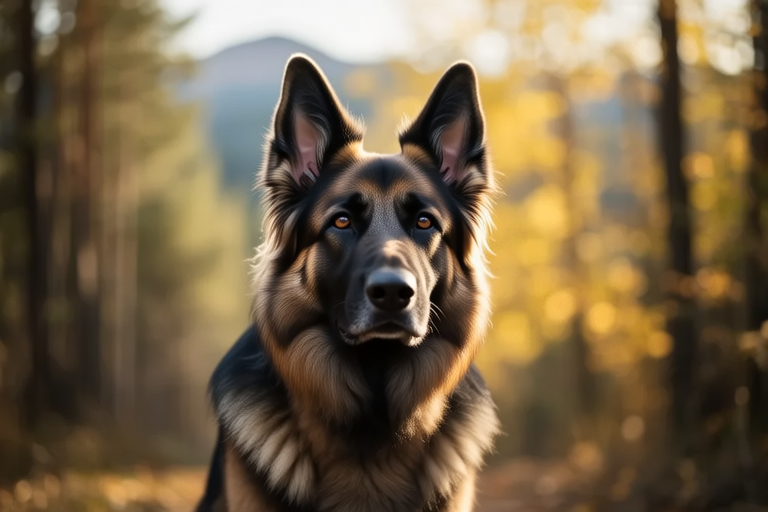
German Shepherds Unveiled: Myths, Facts, and Fascinating Traits
German Shepherds have long been a symbol of strength, loyalty, and intelligence. These versatile dogs have earned a reputation that sometimes leads to misconceptions. In this article, we will debunk common myths, delve into the facts, and explore the fascinating traits that make German Shepherds one of the most beloved dog breeds.
Debunking Common Myths About German Shepherds
One of the most prevalent myths is that all German Shepherds are aggressive. This is far from the truth. While some may display protective behavior, aggression is not inherent to the breed. Proper socialization and training are key factors in ensuring a well-rounded temperament. Another myth is that they are difficult to train. In reality, German Shepherds are highly intelligent and eager to please, making them one of the easiest breeds to train when done correctly.
Some people believe that German Shepherds are only suitable for working roles, such as police or military work. While it’s true that many excel in these fields, they also make excellent companions for families and individuals looking for a loyal and loving pet. Their versatility is one of their greatest strengths.
Facts About German Shepherds: Origins, Intelligence, and Behavior
The German Shepherd was originally bred in Germany in the late 19th century by Captain Max von Stephanitz. He aimed to create a versatile working dog capable of herding sheep and performing other tasks on farms. The breed quickly gained popularity due to its intelligence, strength, and adaptability.
German Shepherds are renowned for their high level of intelligence. They rank second on Stanley Coren’s list of the most intelligent dog breeds, just behind Border Collies. This intelligence makes them highly trainable and capable of learning complex commands and tasks. They thrive on mental stimulation and require consistent training to keep their minds engaged.
Typically, German Shepherds are active, alert, and confident dogs. They are known for their strong sense of loyalty and protectiveness towards their families. Their natural instincts often lead them to be watchful and responsive to changes in their environment, making them excellent guard dogs. However, with proper socialization, they can also be gentle and affectionate, especially with children.
Roles in Various Fields
German Shepherds have played significant roles in various professional fields, including police work, search and rescue, and therapy. Their intelligence, bravery, and ability to follow commands make them ideal candidates for law enforcement roles. They are commonly used for drug detection, tracking, and patrolling. Their keen sense of smell and ability to follow scent trails make them invaluable in search and rescue operations.
In addition to their practical applications, German Shepherds have found success in therapy work. Their calm demeanor and gentle nature allow them to provide comfort and support to those in need. They are frequently seen in hospitals, schools, and nursing homes, offering emotional support and companionship.
Fascinating Traits of German Shepherds
One of the most captivating aspects of German Shepherds is their loyalty. They form strong bonds with their owners and are fiercely devoted to their families. This loyalty extends beyond mere affection; they are protective and vigilant, always ready to defend their loved ones. Their loyalty is a testament to their deep connection with humans and their desire to serve and protect.
Trainability is another fascinating trait of German Shepherds. With proper positive reinforcement techniques, they can learn a wide range of commands and tricks. Their eagerness to please and quick learning abilities make them ideal for obedience training and advanced skills training. They respond well to clear communication and consistency, which helps in building a strong bond between owner and dog.
Physically, German Shepherds are medium to large-sized dogs with a muscular build. They have a double coat that provides insulation and protection against harsh weather conditions. Their coats can vary in color, but the most common colors are black and tan. Their distinctive ears, which stand erect, contribute to their alert appearance. Their tails are usually carried low and reach nearly to their hocks.
Caring for and Training a German Shepherd
For potential owners, it’s essential to understand the commitment involved in caring for a German Shepherd. They require regular exercise to maintain their physical and mental health. Daily walks, playtime, and interactive activities are crucial for keeping them fit and happy. Mental stimulation is equally important, so consider puzzle toys, training sessions, and obedience classes to keep their minds sharp.
Training a German Shepherd requires patience, consistency, and positive reinforcement. Start with basic commands such as sit, stay, come, and heel. Use treats and praise to reward good behavior and discourage bad habits. Socialization is vital during the puppy stage to ensure they grow up to be well-adjusted adults. Expose them to different environments, people, and animals to help them develop confidence and good manners.
When it comes to diet, it’s important to provide a balanced and nutritious meal plan tailored to their specific needs. Consult with your veterinarian to determine the appropriate amount and type of food based on age, weight, and activity level. Regular veterinary check-ups are also crucial to monitor their overall health and catch any potential issues early.
Finally, remember that each German Shepherd is unique. While they share many common traits, individual personalities can vary. Take the time to get to know your dog and tailor your approach to meet their specific needs. With proper care and training, you’ll enjoy a rewarding relationship with your loyal companion.
