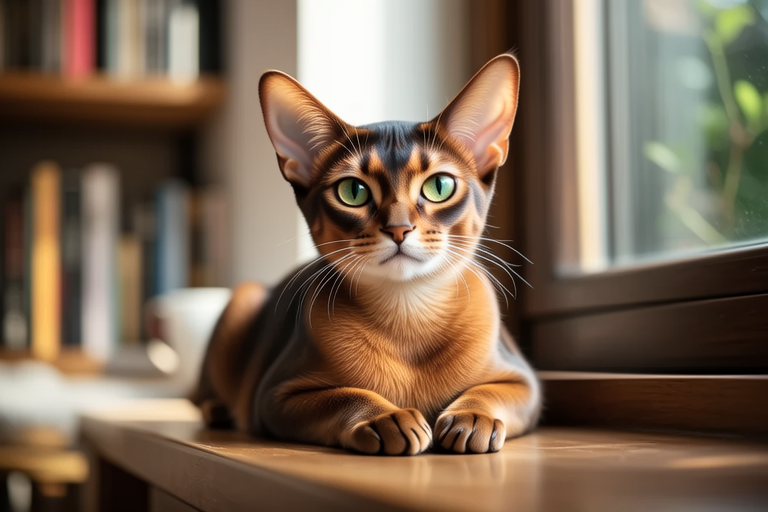
Abyssinian Cats: A Comprehensive Guide
Abyssinian cats are one of the most striking and captivating breeds in the feline world. Known for their sleek coats, expressive eyes, and playful personalities, they have been cherished by cat lovers for centuries. This guide delves into the unique characteristics and behaviors of Abyssinian cats, covering their origins, physical traits, temperament, intelligence, and social interactions. We will also explore their dietary needs, grooming habits, and common health issues. By understanding what makes Abyssinians special, you’ll be better equipped to provide them with the care they deserve.
Origins and History
The exact origin of the Abyssinian breed remains shrouded in mystery, but many believe they originated from ancient Egypt, where they were revered as sacred animals. Legends suggest that these cats accompanied Egyptian pharaohs in their afterlife journey. Historical records indicate that Abyssinian cats were first brought to England in the mid-19th century. Despite their name, there is no direct evidence linking them to Abyssinia (modern-day Ethiopia). The breed’s true ancestry may be linked to Southeast Asian or Indian regions, where similar-looking cats were found.
Regardless of their origins, Abyssinians quickly gained popularity among British aristocrats. Their elegant appearance and engaging personalities made them sought-after companions. Today, Abyssinians are widely recognized across the globe, admired for their distinctive features and charming demeanor.
Physical Traits
Abyssinians possess several distinct physical traits that set them apart from other cat breeds. They typically weigh between 7 to 10 pounds and stand at about 8 to 10 inches tall. Their slender yet muscular bodies give them an athletic appearance, perfect for their active lifestyle.
- Eyes: Large, almond-shaped eyes are one of the most noticeable features of Abyssinians. They come in shades of green, gold, or hazel, complementing their sleek coats.
- Chest: Deep chest enhances their graceful posture.
- Tail: Long and tapering, it adds to their overall elegance.
- Coat: One of the defining characteristics of Abyssinians is their short, dense coat with a ticked pattern. Each hair has alternating bands of color, creating a unique “ticking” effect. Common colors include ruddy (a reddish-brown), blue (a soft gray), fawn (a light beige), and cinnamon (a warm brown).
Abyssinians are known for their cleanliness, often grooming themselves multiple times a day. However, due to their short coat, they require minimal brushing compared to long-haired breeds. Regular grooming sessions can help remove loose fur and prevent matting.
Temperament and Intelligence
Abyssinians are renowned for their high energy levels and curious nature. They are always on the lookout for new experiences and enjoy exploring their surroundings. Their intelligence shines through in various ways, such as problem-solving abilities and quick learning skills.
Despite their independent streak, Abyssinians thrive on human interaction and form strong bonds with their owners. They are affectionate towards family members but may be more reserved around strangers. These cats often follow their owners around the house, seeking attention and companionship.
Due to their high activity levels, Abyssinians require plenty of mental and physical stimulation. Providing toys, scratching posts, and climbing structures can help keep them entertained and engaged. Interactive play sessions are essential for maintaining their well-being.
Social Interactions
Abyssinians are generally sociable cats who enjoy being part of a household. They get along well with children and other pets when introduced gradually. However, their independent nature means they might need some alone time occasionally. It’s important to respect their boundaries and provide them with a quiet space if needed.
These cats are excellent communicators, often using vocalizations like chirps and trills to express themselves. Some Abyssinians may even learn to respond to their owner’s commands or mimic certain sounds. Their intelligence and social skills make them delightful companions.
Dietary Needs
A balanced diet is crucial for maintaining an Abyssinian’s health and vitality. High-quality commercial cat food formulated for adult cats provides essential nutrients. Wet food can be beneficial for hydration, especially if your cat doesn’t drink enough water. Consult your veterinarian to determine the appropriate portion sizes based on your cat’s age, weight, and activity level.
While treats can be used as rewards during training sessions or playtime, they should be given sparingly to avoid overfeeding. Fresh water should always be available to ensure proper hydration.
Grooming Habits
Abyssinians are self-groomers, spending significant time cleaning themselves. Their short coat requires minimal maintenance, making them relatively low-maintenance compared to long-haired breeds. Weekly brushing helps distribute natural oils throughout the coat and removes any loose hairs. Bathing is rarely necessary unless absolutely required.
Regular dental care, nail trimming, and ear cleaning are also essential aspects of grooming. Use a soft-bristled toothbrush and pet-friendly toothpaste to maintain oral hygiene. Trim nails every few weeks to prevent overgrowth and discomfort. Check ears regularly for signs of infection or debris and clean gently with a cotton ball dampened with a veterinarian-approved cleanser.
Common Health Issues
Like all cat breeds, Abyssinians are prone to certain health conditions. Regular veterinary check-ups can help catch potential problems early. Some common health issues include:
- Periodontal Disease: Poor dental hygiene can lead to gum inflammation, tooth decay, and other complications. Brush your cat’s teeth regularly and schedule professional cleanings as recommended by your veterinarian.
- Hypertrophic Cardiomyopathy (HCM): This genetic heart condition causes thickening of the heart muscle, potentially leading to heart failure. Early detection through regular echocardiograms can improve management and quality of life.
- Feline Leukemia Virus (FeLV): This viral infection weakens the immune system, making cats more susceptible to illnesses. Vaccination against FeLV is highly recommended, especially for outdoor cats or those exposed to other animals.
History as Companions
The history of Abyssinians as companions has significantly influenced their modern behavior. From ancient Egypt to Victorian England, these cats have been cherished for their beauty and charm. Their close relationship with humans has shaped their social tendencies, making them affectionate yet independent.
In the past, Abyssinians were often kept as indoor pets, limiting their exposure to outdoor dangers. This tradition continues today, with many owners choosing to keep their cats indoors for safety reasons. Indoor living allows Abyssinians to focus on bonding with their families and enjoying the comforts of home.
Tips for Owners
Providing a stimulating environment and consistent care can greatly enhance your Abyssinian’s quality of life. Here are some tips for owners:
- Interactive Play: Engage your cat in interactive play sessions using toys that encourage hunting instincts, such as feather wands or laser pointers.
- Mental Stimulation: Puzzle feeders and treat-dispensing toys offer mental challenges while providing enrichment.
- Comfortable Spaces: Create cozy areas where your cat can rest and relax. Provide soft bedding, scratching posts, and elevated perches.
- Regular Vet Visits: Schedule routine check-ups to monitor your cat’s health and address any concerns promptly.
- Nutrition: Feed a balanced diet tailored to your cat’s specific needs. Consult your veterinarian for personalized recommendations.
- Grooming Routine: Establish a grooming routine that includes brushing, nail trimming, and dental care. Make these activities enjoyable for both you and your cat.
Conclusion
Abyssinian cats are truly remarkable creatures with a rich history and unique characteristics. Their agility, curiosity, and independent nature make them fascinating companions. By understanding their dietary needs, grooming habits, and common health issues, you can provide them with the care they need to live happy, healthy lives. With proper attention and affection, Abyssinians will reward you with years of loyalty and joy. Whether you’re a potential owner or a current Abyssinian lover, this guide offers valuable insights into the world of these extraordinary cats.
