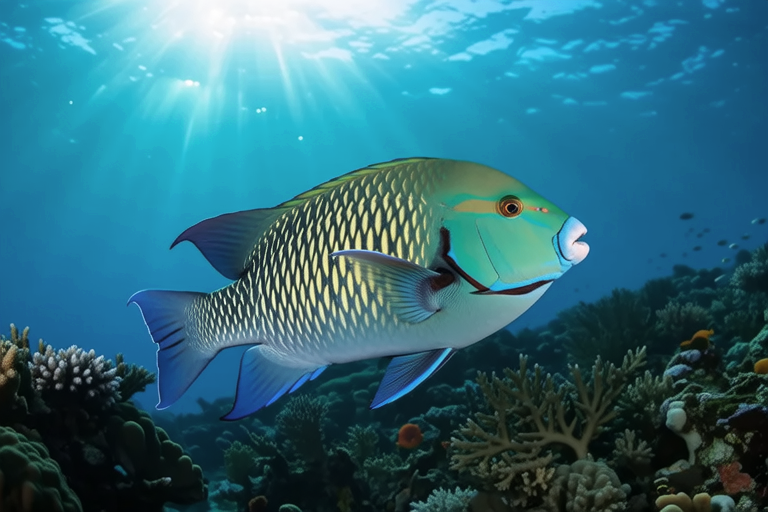
Parrot Fish: Diverse Species, Behaviors, and Ecological Roles in Coral Reef Ecosystems
The parrot fish is a fascinating and vibrant inhabitant of coral reefs around the world. Known for their striking colors and unique feeding habits, these fish play a crucial role in maintaining the health and biodiversity of coral reef ecosystems. This article explores the diverse species, behaviors, and ecological roles of parrot fish, providing insights into their feeding habits, contributions to reef health, vibrant colorations, and complex social structures. We will also delve into their life cycles, mating rituals, and interactions within their environment, highlighting their significance in marine conservation efforts.
Diverse Species and Vibrant Colorations
There are over 90 recognized species of parrot fish, each with its own distinct characteristics and color patterns. These fish can be found in tropical and subtropical waters, thriving in the rich and diverse environments of coral reefs. Their vibrant colorations range from electric blues and greens to deep purples and oranges, making them one of the most visually stunning fish in the ocean. The colors serve multiple purposes, including camouflage, communication, and attracting mates. Some species, like the Queen Parrotfish, exhibit dramatic color changes throughout their lives, shifting from drab juveniles to brightly colored adults. This phenomenon, known as ontogenetic color change, is thought to be linked to hormonal changes and sexual maturation.
Unique Feeding Habits
Parrot fish have a unique feeding habit that sets them apart from other reef-dwelling fish. They use their strong, beak-like jaws to scrape algae and small invertebrates off coral surfaces. This process, known as bioerosion, is essential for maintaining the health of coral reefs. By removing dead and decaying matter, parrot fish help prevent the spread of disease and promote the growth of new coral polyps. Additionally, their feeding behavior contributes to the recycling of calcium carbonate, which is vital for the formation of coral skeletons. Some species, such as the Stoplight Parrotfish, consume large amounts of coral rubble, breaking it down into fine sand that is deposited on the ocean floor. This process plays a significant role in shaping the sandy beaches of many tropical islands.
Contribution to Reef Health
Parrot fish play a critical role in maintaining the health and stability of coral reef ecosystems. By controlling the population of algae through grazing, they prevent algal blooms that could otherwise smother and kill coral polyps. This helps to maintain the delicate balance between corals and algae, ensuring the survival of both organisms. Furthermore, their feeding behavior promotes the growth of new coral by removing old, dead coral tissue and creating space for new polyps to settle and grow. Studies have shown that areas with high populations of parrot fish tend to have healthier and more resilient coral reefs. In fact, the presence of parrot fish has been linked to increased coral cover and reduced incidence of coral diseases.
Complex Social Structures
Parrot fish exhibit complex social structures and behaviors that are closely tied to their survival and reproductive success. Many species form schools or aggregations, particularly during feeding and spawning events. These groups provide protection from predators and increase the chances of successful reproduction. Some species, like the Blue Parrotfish, form harems, with a single male defending a territory and multiple females within it. Others, such as the Striped Parrotfish, form monogamous pairs, with males and females swimming together and sharing responsibilities for nest building and care of offspring. These social structures are thought to evolve in response to environmental pressures, such as predation risk and competition for resources.
Life Cycle and Mating Rituals
The life cycle of parrot fish is marked by several distinct stages, each characterized by different physical and behavioral traits. Juvenile parrot fish typically resemble females, with duller coloration and a more streamlined body shape. As they mature, they undergo a series of transformations, including changes in body shape, color, and behavior. Some species, like the Yellowtail Parrotfish, exhibit protogynous hermaphroditism, meaning they begin life as females but can later transition to males. This process is often triggered by the death or removal of the dominant male in a harem, allowing subordinate females to take on the role of breeding male. Mating rituals vary among species but often involve elaborate displays of color and movement, with males courting females by swimming in circles or performing acrobatic maneuvers.
Challenges and Conservation Efforts
Despite their importance to coral reef ecosystems, parrot fish face numerous challenges in the wild. Overfishing is one of the primary threats, with many species being targeted for their meat and vibrant coloration. Habitat destruction, caused by coastal development, pollution, and climate change, also poses a significant threat to parrot fish populations. Rising sea temperatures and ocean acidification can lead to coral bleaching and death, reducing the availability of food and shelter for these fish. To address these challenges, conservation efforts are underway to protect parrot fish and the coral reefs they inhabit. Marine protected areas, sustainable fishing practices, and public awareness campaigns are all contributing to the preservation of these vital ecosystems.
Scientific Insights and Future Research
Recent scientific studies have provided valuable insights into the ecological roles and behaviors of parrot fish, shedding light on their importance to marine biodiversity. For example, researchers have used stable isotope analysis to track the flow of nutrients through coral reef ecosystems, revealing the key role played by parrot fish in nutrient cycling. Other studies have focused on the impact of human activities, such as fishing and tourism, on parrot fish populations and reef health. Future research will likely explore the effects of climate change on parrot fish behavior and ecology, as well as potential strategies for mitigating these impacts. By continuing to study these fascinating creatures, we can better understand the complex relationships that underpin coral reef ecosystems and develop effective conservation strategies.
In conclusion, parrot fish are a vital component of coral reef ecosystems, playing a crucial role in maintaining the health and biodiversity of these fragile environments. Through their unique feeding habits, vibrant colorations, and complex social structures, parrot fish contribute to the resilience and adaptability of coral reefs in the face of environmental challenges. However, the continued existence of these remarkable fish depends on our ability to protect and conserve their habitats. By supporting marine conservation efforts and promoting sustainable practices, we can ensure the survival of parrot fish and the vibrant ecosystems they call home.
