Meet the Exotic: Unleashing the Majesty of the Bengal Cat
The Bengal cat, a stunning and exotic feline breed, has captivated the hearts of cat enthusiasts worldwide with its striking appearance and wild ancestry. This article delves into the unique characteristics, history, and care requirements of Bengal cats, offering valuable insights for both current and prospective owners. From their distinctive coat patterns to their playful demeanor, Bengal cats are a fascinating breed that combines the beauty of the wild with the charm of domestication.
A History of Wild Ancestry
The Bengal cat traces its roots back to the early 20th century when breeders sought to create a domestic cat with the look and temperament of a small wild cat. The journey began with crossing a domestic shorthair with an Asian leopard cat, a small wild feline native to Southeast Asia. This initial crossbreeding resulted in the first generation (F1) Bengal cats, which were often too wild to be considered as household pets. Over several generations, breeders selectively bred these hybrids with domestic cats, gradually reducing the wild traits while retaining the striking coat patterns and physical attributes.
The result is the modern-day Bengal cat, a breed recognized by major cat registries for its unique appearance and friendly nature. These cats have become increasingly popular due to their beautiful coats, which resemble those of their wild ancestors, and their affectionate personalities.
Distinctive Appearance
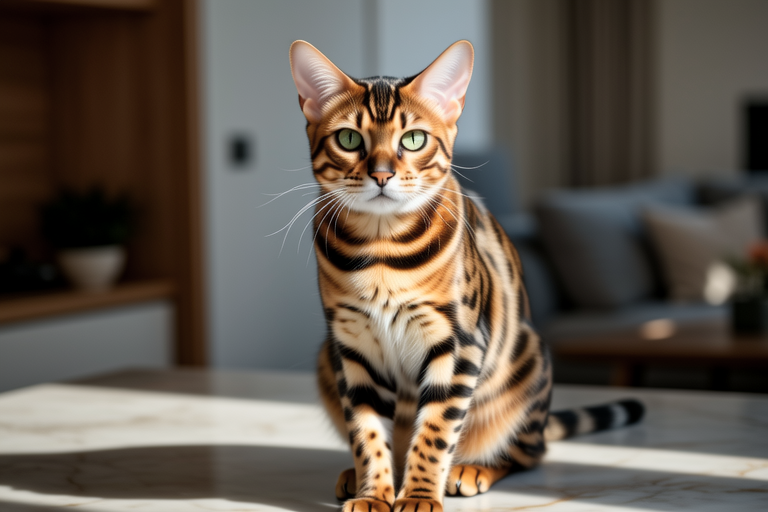
Bengal cats are easily recognizable thanks to their luxurious, short, and dense coats, which come in two main color variations: brown and snow. The most iconic feature of their coat is the distinctive rosette pattern, resembling the spots found on leopards and jaguars. Each Bengal cat’s coat is unique, making them truly one-of-a-kind creatures. Their large, expressive eyes add to their wild allure, often set against a background of striking facial markings.
In addition to their stunning appearance, Bengal cats are medium to large-sized cats, with strong, muscular bodies that reflect their wild heritage. Their agility and athleticism are evident in their playful and energetic behavior, making them a joy to watch and interact with.
Friendly Nature and Intelligence
Despite their wild ancestry, Bengal cats are known for their friendly and social nature. They form strong bonds with their human companions and enjoy being part of family activities. Their intelligence is another hallmark of the breed, as they are quick learners and can be trained to perform various tricks and respond to commands. Bengal cats are particularly fond of water and may even join their owners in the bathtub or play with dripping faucets, showcasing their curious and playful side.
These cats are also highly interactive and enjoy playing with toys that challenge their minds and bodies. Puzzle feeders, laser pointers, and feather wands are just a few examples of toys that can keep a Bengal cat entertained for hours. Their playful demeanor makes them excellent companions for families with children, as long as the children are taught how to handle and respect the cats properly.
Care Requirements
Proper nutrition is essential for maintaining the health and well-being of Bengal cats. A balanced diet rich in high-quality protein, vitamins, and minerals is recommended. Wet food, such as canned meat, is often preferred over dry kibble due to its higher moisture content, which helps prevent dehydration. Owners should consult with a veterinarian to determine the appropriate amount of food based on the cat’s age, weight, and activity level.
Health considerations for Bengal cats include regular veterinary check-ups, vaccinations, and preventive treatments for parasites. While Bengal cats are generally healthy, some may be prone to certain genetic conditions, such as hypertrophic cardiomyopathy (HCM), a heart disease that affects the thickness of the heart muscle. Early detection and management of such conditions can significantly improve the cat’s quality of life.
Grooming is another important aspect of caring for Bengal cats. Despite their short fur, they require regular brushing to remove loose hair and prevent matting. Bathing may be necessary every few months, especially for cats that enjoy water, to maintain their coat’s luster and cleanliness. Owners should also pay attention to their cat’s dental hygiene, providing chew toys and dental treats to help reduce plaque buildup.
Tips for Potential Owners
Potential owners should carefully consider the unique needs and behaviors of Bengal cats before bringing one into their home. While these cats are generally friendly and adaptable, they require plenty of mental and physical stimulation to thrive. Providing ample space for play and exploration, along with interactive toys, will help keep your Bengal cat happy and engaged.
It is also important to provide Bengal cats with vertical spaces, such as cat trees and shelves, to satisfy their natural climbing instincts. These spaces allow them to observe their surroundings from above, providing a sense of security and comfort. Additionally, Bengal cats benefit from having a routine, as they thrive on consistency and predictability.
Conclusion
The Bengal cat is a magnificent breed that combines the beauty of the wild with the charm of domestication. With their striking appearance, friendly nature, and playful demeanor, these cats make wonderful companions for those who appreciate their unique qualities. By understanding their specific care requirements and providing them with the love and attention they deserve, owners can ensure that their Bengal cat lives a long, healthy, and happy life. Whether you’re a seasoned cat enthusiast or considering adding a Bengal cat to your family, this remarkable breed is sure to captivate and delight you with its majesty and grace.
