From Tiny Fry to Vibrant Adult: The Journey of Raising a Betta Fish
Raising a betta fish from its earliest stages to adulthood can be an incredibly rewarding experience. This guide will walk you through the entire process, from the emergence of tiny fry to the vibrant, mature adult. We’ll cover everything from setting up the right habitat to ensuring your betta remains healthy and happy throughout its life.
The Emergence of Tiny Fry
The journey begins with the birth of the fry. Betta fish reproduce by laying eggs, which are then fertilized by the male. After the eggs hatch, the tiny fry emerge, no bigger than a few millimeters. At this stage, they are extremely vulnerable and require careful attention.
Newly hatched fry need a protected environment free from predators and harmful substances. A separate tank or a breeder box within the main aquarium is ideal for their initial days. The water temperature should be maintained between 78-80°F (25.5-26.6°C) to ensure optimal development.
Setting Up the Habitat
Creating the right habitat for your betta fry is crucial. As they grow, their tank requirements change. For the first few weeks, a small tank of about 2.5 gallons is sufficient. As they mature, they will need more space, eventually requiring at least 5 gallons for a single adult betta.
The necessary equipment includes a filter, heater, thermometer, and a light source. A sponge filter is recommended for fry due to its gentle flow, preventing fry from being sucked in. The heater ensures stable water temperatures, while the thermometer allows you to monitor these closely. Proper lighting promotes plant growth and helps establish a day-night cycle.
Water quality is paramount. Use a dechlorinator to remove harmful chemicals from tap water. Regular partial water changes are essential to maintain cleanliness. Ammonia and nitrite levels should be kept at zero, while nitrate levels should be below 20 ppm. A pH level of around 7.0 is ideal, but bettas can adapt to slightly higher or lower values.
Dietary Needs
Proper nutrition is key to the growth and health of your betta. In their early stages, fry require frequent, small feedings of infusoria or commercially available fry food. Infusoria consists of microscopic organisms that provide essential nutrients. As they grow, they can transition to baby brine shrimp and finely crushed flake or pellet foods.
Adult bettas have different dietary needs. They enjoy a varied diet of high-quality flakes, pellets, and frozen or live foods like bloodworms and daphnia. Feed your betta once or twice daily, providing only what it can consume in a couple of minutes to prevent overfeeding.
Common Health Issues and Preventive Measures
Despite your best efforts, bettas may face health challenges. Common issues include fin rot, ich, and swim bladder disorders. Fin rot is characterized by frayed or discolored fins and can be caused by poor water quality or physical damage. Ich presents as white spots on the body and fins and is typically due to sudden temperature changes. Swim bladder disorders cause buoyancy issues and can result from overfeeding or constipation.
To prevent these problems, maintain pristine water conditions, avoid sudden temperature fluctuations, and quarantine new additions to the tank. Regular water changes and a balanced diet can also help keep your betta healthy.
Maintaining a Healthy Environment
As your betta grows, it’s important to continue providing a stimulating and safe environment. Introduce plants, caves, and other decorations to offer hiding spots and enhance the tank’s aesthetic appeal. Ensure the tank is well-aerated, as bettas are labyrinth fish and need access to surface air.
Monitor your betta’s behavior and appearance regularly. Signs of stress or illness include loss of appetite, unusual swimming patterns, or changes in coloration. Address any issues promptly to prevent them from worsening.
The Vibrant Adult Betta
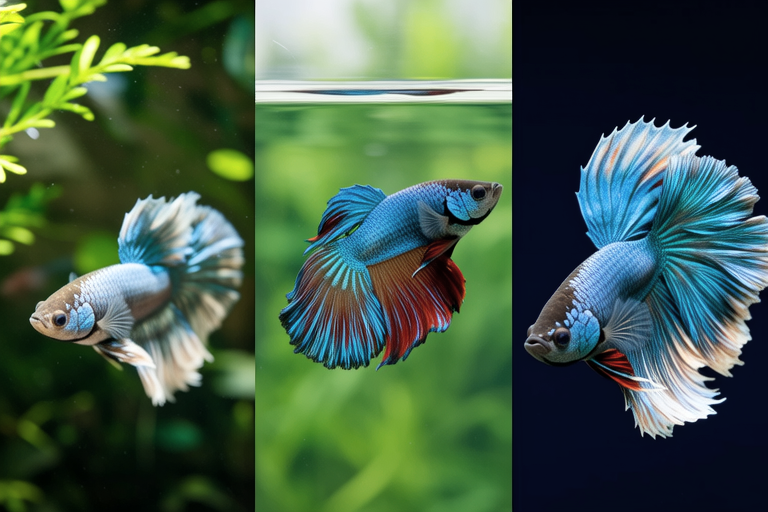
By adulthood, your betta will exhibit vibrant colors and unique personalities. Males, especially, showcase stunning hues and intricate finnage. They are territorial and prefer living alone, so avoid housing multiple males together. Females can coexist in groups if provided ample space and hiding spots.
Adult bettas are active swimmers and enjoy exploring their surroundings. They may display interesting behaviors such as bubble-nesting and territory establishment. Watching your betta interact with its environment and observing its natural behaviors can be deeply satisfying.
In conclusion, raising a betta fish from fry to adulthood is a fulfilling endeavor that requires dedication and care. By setting up an appropriate habitat, providing a nutritious diet, and addressing potential health issues proactively, you can ensure your betta thrives. Enjoy the journey of watching your tiny fry develop into a vibrant, captivating adult, and appreciate the rewarding experience of successful pet care.
