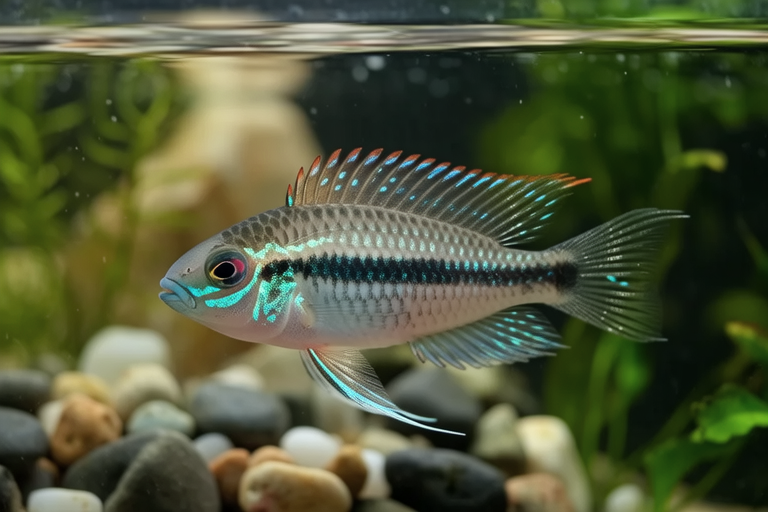
Top Tips for Keeping Your Parrot Fish Healthy and Happy
Welcome to the wonderful world of parrot fish! These vibrant and social creatures can bring joy and color to any aquarium. However, keeping them healthy and happy requires attention to detail and a commitment to providing the best possible environment. In this guide, we will explore essential aspects of parrot fish care, including tank setup, water parameters, diet, health checks, suitable tank mates, and enrichment activities. Let’s dive in!
Optimal Tank Setup
The first step in ensuring your parrot fish thrives is setting up an appropriate tank. Parrot fish are large and active, so they need ample space to swim and explore. A tank size of at least 75 gallons is recommended for a single adult parrot fish, with additional space required for each additional fish.
Substrate: Parrot fish enjoy digging and sifting through substrate, so a soft, fine gravel or sand is ideal. Avoid sharp or rough substrates that could damage their mouths or fins.
Filtration: Efficient filtration is crucial to maintaining water quality. A high-quality filter capable of handling the tank’s volume is necessary. Consider adding a secondary filter or sponge filter to further enhance water quality.
Decorations: Provide plenty of hiding spots and caves to encourage natural behaviors. Parrot fish are curious and enjoy exploring their surroundings. Ensure decorations are safe and free from sharp edges.
Water Parameters
Maintaining proper water conditions is vital for the health of your parrot fish. Regular testing and monitoring are key to ensuring a stable and healthy environment.
Temperature: Parrot fish prefer water temperatures between 78°F and 84°F (25°C to 29°C). Use a reliable heater to maintain consistent temperatures.
pH Levels: Aim for a pH level between 6.5 and 7.5. Parrot fish can tolerate a slightly acidic to neutral environment.
Ammonia and Nitrite: Both ammonia and nitrite levels should be kept at zero. High levels can cause stress and illness. Regular partial water changes and proper cycling of the tank are essential.
Nitrate: Keep nitrate levels below 20 ppm. High nitrate levels can lead to algae growth and other water quality issues.
Water Hardness: Parrot fish prefer moderately hard water, with a general hardness (GH) range of 8 to 15 dGH.
Diet Recommendations
A balanced and varied diet is crucial for the overall health and longevity of your parrot fish. Offer a mix of high-quality pellets, flakes, and frozen or live foods. Parrot fish are omnivorous, so include plant-based and protein-rich foods in their diet.
Pellets and Flakes: Choose high-quality pellets and flakes specifically formulated for cichlids or omnivorous fish. Look for products that contain a good balance of proteins, fats, and carbohydrates.
Frozen and Live Foods: Supplement their diet with occasional feedings of frozen or live foods such as brine shrimp, bloodworms, and daphnia. These provide essential nutrients and variety.
Vegetables: Offer blanched vegetables like spinach, zucchini, and peas. Parrot fish enjoy nibbling on these nutritious treats.
Feeding Schedule: Feed your parrot fish twice daily, offering small portions that they can consume within a few minutes. Overfeeding can lead to poor water quality and health issues.
Regular Health Checks
Monitoring your parrot fish’s health regularly is essential for early detection of potential problems. Here are some signs to watch for:
- Behavioral Changes: Noticeable changes in swimming patterns, appetite, or activity levels may indicate stress or illness.
- Coloration: Pale or dull coloration can signal health issues.
- Fin and Scale Condition: Check for any signs of fin rot, fraying, or damaged scales.
- Breathing: Rapid or labored breathing may indicate respiratory distress.
If you notice any concerning signs, consult with a veterinarian specializing in exotic pets or a reputable online forum for advice. Early intervention can make a significant difference in treatment outcomes.
Suitable Tank Mates
Selecting compatible tank mates for your parrot fish is crucial for maintaining peace and harmony in the aquarium. Parrot fish are generally peaceful but can become territorial, especially during feeding times. Here are some suitable tank mates:
- Other Large Cichlids: Species like Convict Cichlids, Firemouths, and Jack Dempseys can coexist peacefully.
- Dwarf Gouramis: These peaceful fish can add color and movement to the tank without being overly aggressive.
- Loaches: Active bottom-dwelling fish like Kuhli Loaches can thrive alongside parrot fish.
- Large Tetras: Species such as Black Skirt Tetras and Congo Tetras can provide companionship without being too timid.
Avoid keeping parrot fish with smaller, more delicate species or those that are known to be highly aggressive. Always research potential tank mates thoroughly before introducing them to your aquarium.
Enrichment Activities
Providing mental and physical stimulation is essential for the well-being of your parrot fish. Enrichment activities can help reduce stress and boredom, promoting a healthier and happier fish.
Interactive Toys: Consider adding interactive toys such as sinking food blocks or puzzle feeders that release treats when moved. These toys encourage natural foraging behaviors.
Plants and Decorations: Incorporate live or artificial plants, rocks, and caves to create a stimulating environment. Parrot fish enjoy exploring and interacting with their surroundings.
Lighting and Aquascaping: Use lighting to simulate day and night cycles and create visually appealing aquascapes. This helps mimic natural conditions and reduces stress.
Rotating Decorations: Occasionally rearrange decorations and plants to keep the environment fresh and interesting. This mimics natural environments and encourages exploration.
Importance of a Stable Environment
The stability of the environment plays a critical role in the long-term health and happiness of your parrot fish. Consistent water conditions, regular maintenance, and a balanced diet contribute to a stable and supportive habitat. By providing a stable environment, you’re giving your parrot fish the best chance for a long and healthy life.
Remember, the time and effort invested in creating a suitable home for your parrot fish will be rewarded with a vibrant and thriving aquatic companion. With proper care and attention, your parrot fish can bring years of enjoyment and beauty to your aquarium.
We hope this guide has provided valuable insights into caring for your parrot fish. Whether you’re a novice aquarist or an experienced enthusiast, implementing these tips will help ensure your parrot fish remains healthy, happy, and vibrant for many years to come.
