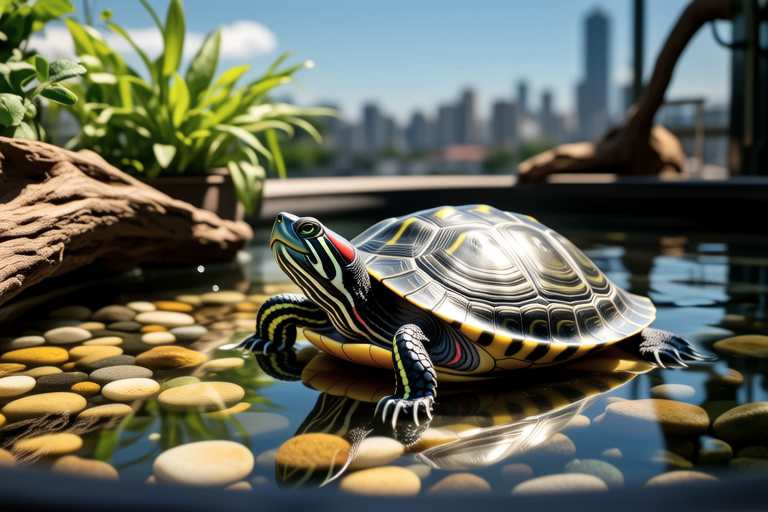
From Tank to Terrace: Creative Outdoor Setups for Your Red-Eared Slider
Welcome, fellow turtle enthusiasts! If you’re reading this, it’s likely that you’ve considered taking your red-eared slider beyond its tank and into the great outdoors. This transition can be both exciting and challenging, but with the right knowledge and preparation, you can create a thriving environment for your beloved pet. In this comprehensive guide, we’ll explore everything you need to know about setting up an outdoor habitat for your red-eared slider, ensuring they enjoy a safe, enriching, and stimulating environment.
Essential Outdoor Habitat Requirements for Red-Eared Sliders
Before diving into the creative aspects of building your terrace, it’s crucial to understand the fundamental needs of your red-eared slider. These aquatic turtles require specific conditions to thrive, including water quality, basking areas, and shelter. Let’s break down these essentials:
- Water Quality: Clean, chlorine-free water is vital for your turtle’s health. Regular water changes and filtration systems help maintain optimal water conditions. A water depth of at least 12 inches is recommended to allow swimming and diving.
- Basking Area: Red-eared sliders need a dry area where they can bask under UVB light. This helps them regulate their body temperature and absorb calcium for strong shells and bones. The basking area should be large enough for your turtle to stretch out comfortably.
- Shelter: Providing a secure hiding spot within the enclosure is important for your turtle’s sense of security. This can be a cave-like structure or a small shelter made from natural materials like wood or rocks.
Creative Ideas for Building Safe and Enriching Terraces
Now that you have a solid understanding of the basics, let’s get creative! There are numerous ways to design an outdoor setup that not only meets your turtle’s needs but also adds aesthetic appeal to your backyard. Here are some inspiring ideas:
- Natural Rock Pools: Mimic a natural pond by creating rock pools of varying depths. This allows your turtle to explore different water levels and provides multiple basking spots.
- Plants and Vegetation: Incorporate aquatic plants such as water lettuce, duckweed, and water hyacinth. These not only enhance the beauty of the habitat but also provide shade and oxygenation for the water.
- Landscaping: Use natural stones, logs, and sand to create interesting landforms. This encourages climbing and exploration, which are essential for mental stimulation.
Necessary Equipment and Their Functions
To ensure your outdoor setup is functional and safe, several pieces of equipment are indispensable. Here’s what you need:
- Filtration System: Maintains water cleanliness and reduces maintenance efforts. Choose a system that fits the size of your enclosure and matches the water volume.
- UVB Lighting: Provides essential ultraviolet B rays for vitamin D synthesis, promoting healthy shell growth and immune function.
- Thermometers and Hygrometers: Monitor temperature and humidity levels to prevent overheating or dehydration. Keeping these conditions within a safe range is crucial for your turtle’s overall well-being.
Maintenance Tips to Ensure the Health of Your Turtles
Maintaining a healthy outdoor habitat requires consistent effort. Here are some key maintenance practices:
- Regular Cleaning: Clean the basking area, filter, and any other components regularly to prevent the buildup of bacteria and algae.
- Water Testing: Test the water quality weekly for pH, ammonia, nitrite, and nitrate levels. Adjust as needed to keep the water parameters within the ideal range.
- Feeding Schedule: Feed your turtle a balanced diet of commercial pellets, fresh vegetables, and occasional protein sources like earthworms or fish. Avoid overfeeding to prevent water pollution.
Safety Precautions to Protect Your Turtles
While outdoor setups offer many benefits, they also come with potential risks. To keep your red-eared slider safe, consider the following precautions:
- Predator Protection: Secure the enclosure with fencing or netting to deter predators such as raccoons, birds, and domestic animals.
- Temperature Control: Install a heating lamp or pad if necessary to maintain a suitable temperature range, especially during colder months.
- Escape Prevention: Ensure the enclosure has no gaps or weak points through which your turtle could escape. Check the fencing regularly for any signs of wear or damage.
Gradual Acclimation to Outdoor Environments
Introducing your turtle to the outdoors requires careful planning. Gradual acclimation is key to minimizing stress and allowing your turtle to adjust to new surroundings. Start by placing your turtle outside for short periods during the day, gradually increasing the time spent outdoors. Monitor their behavior and health closely during this process.
Seasonal Considerations
The outdoor environment changes with the seasons, so it’s important to adapt your turtle’s habitat accordingly:
- Summer: Provide ample shade and ensure the water remains cool. Increase the frequency of water changes to prevent overheating.
- Winter: Bring your turtle indoors or provide a heated enclosure if temperatures drop below 65°F (18°C). Ensure they have access to a warm basking area.
The Benefits of Outdoor Setups for the Well-Being of Red-Eared Sliders
Outdoor setups offer numerous benefits for the physical and mental health of red-eared sliders. Exposure to natural sunlight and increased activity levels contribute to better overall well-being. Natural behaviors such as swimming, basking, and exploring are encouraged, leading to enhanced vitality and happiness.
In conclusion, transitioning your red-eared slider from a tank to a terrace can be a rewarding experience for both you and your pet. By understanding their essential needs, incorporating creative elements, and maintaining a safe environment, you can provide your turtle with a thriving outdoor habitat. Remember to prioritize gradual acclimation and seasonal adjustments to ensure their continued health and happiness.
Happy turtle-keeping!
