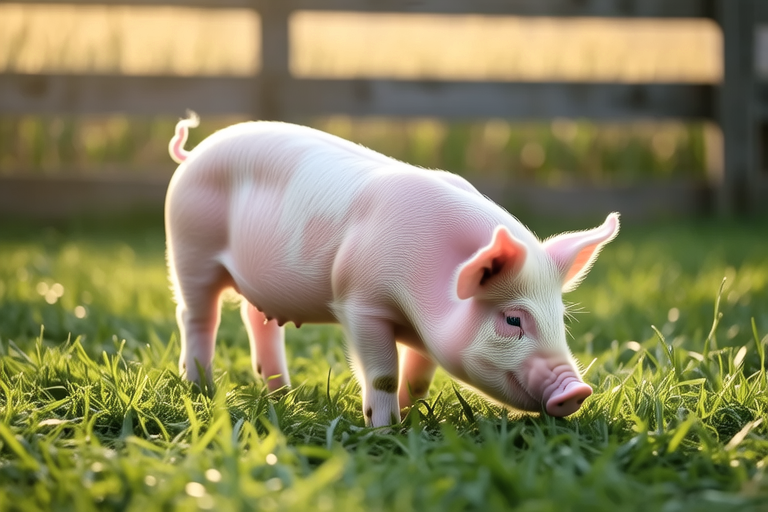
The Secret Life of Mini Pigs: Debunking Common Myths
Mini pigs have captured the hearts of many pet lovers with their charming appearance and seemingly easy-to-care-for nature. These compact, endearing creatures have become increasingly popular as pets over the last few decades. However, their growing popularity has also led to a proliferation of myths and misconceptions that can mislead potential owners and affect the well-being of these intelligent animals. This article aims to shed light on the truth behind some of the most common myths surrounding mini pigs, offering valuable insights for both current and future owners.
Introduction to Mini Pigs
Mini pigs, also known as teacup pigs, micro pigs, or pot-bellied pigs, are domesticated swine bred for their smaller size. Unlike their larger counterparts, these pigs are generally smaller, making them more suitable as household pets. Their small stature and friendly demeanor have contributed to their increasing popularity. However, the very characteristics that make them appealing—such as their size and apparent docility—also give rise to numerous myths.
Why Myths Surround Mini Pigs
The allure of mini pigs as pets stems from their unique combination of being small, cute, and trainable. Unfortunately, this appeal often leads to exaggerated claims about their size, lifespan, and other aspects of their care. Many people are drawn to the idea of having a miniature version of a farm animal without fully understanding the reality of owning one. Breeders may also contribute to the spread of myths to sell more pigs. As a result, there’s a need for accurate information to help potential owners make informed decisions.
Common Misconceptions About Mini Pigs
Myth 1: Mini Pigs Stay Tiny Forever
One of the most pervasive myths about mini pigs is that they remain tiny throughout their lives. This misconception likely stems from the term ‘mini’ itself. In reality, mini pigs can vary widely in size, depending on breed, genetics, and environment. While some breeds, like the Juliana pig, tend to be smaller, others, such as the KuneKune or Meishan, can grow significantly larger. On average, adult mini pigs weigh between 50 to 70 pounds, though some can reach up to 150 pounds.
Studies conducted by veterinarians and pig experts suggest that factors such as diet and living conditions play crucial roles in determining a pig’s final size. Overfeeding and lack of exercise can lead to obesity, which affects overall health and size. Therefore, it’s essential to provide a balanced diet and regular exercise to ensure your mini pig stays healthy and within a manageable weight range.
Myth 2: Mini Pigs Have a Short Lifespan
Another common myth is that mini pigs have a shorter lifespan compared to dogs or cats. In truth, mini pigs can live for 12 to 20 years, sometimes even longer with proper care. The misconception may arise because pigs are often associated with short lifespans due to their agricultural use. However, pet pigs, especially those kept in loving homes, can enjoy long, fulfilling lives.
Experts recommend annual veterinary check-ups and regular monitoring of your pig’s health to extend its lifespan. Providing a nutritious diet, adequate space, and mental stimulation are key factors in ensuring a long and healthy life for your pet.
Myth 3: Mini Pigs Can Eat Anything
Many believe that mini pigs will eat anything, leading to the assumption that feeding them is easy. However, pigs have specific dietary needs that must be met to maintain their health. A balanced diet for mini pigs includes high-quality commercial pig feed, fresh vegetables, fruits, and limited amounts of grains. Avoid feeding them excessive amounts of treats or human food, as this can lead to obesity and related health issues.
According to Dr. Sarah Johnson, a veterinarian specializing in exotic pets, “Pigs require a diet rich in fiber and low in fat. Owners should consult with a vet to determine the appropriate amount and type of food based on the pig’s age, weight, and activity level.”
Myth 4: Mini Pigs Are Low-Maintenance Pets
Contrary to popular belief, mini pigs are not low-maintenance pets. They require daily attention, regular grooming, and plenty of space to move around. Pigs are highly intelligent and social animals, needing mental and physical stimulation to thrive. Lack of attention can lead to behavioral problems, including destructive tendencies and obesity.
Creating a stimulating environment for your pig involves providing toys, puzzles, and opportunities for exploration. Regular interaction and training sessions can help keep your pig engaged and mentally sharp. Additionally, pigs need access to a clean, comfortable living area, which requires regular cleaning and maintenance.
Tips for Potential Owners
If you’re considering adopting a mini pig, here are some essential tips to ensure you’re prepared:
- Research thoroughly: Understand the commitment involved in caring for a pig. Consider factors such as housing, diet, and healthcare before making a decision.
- Choose a reputable breeder: Ensure the breeder provides health certificates and guarantees the pig’s health and temperament.
- Prepare your home: Create a safe, comfortable living space with adequate shelter, bedding, and toys.
- Consult a veterinarian: Find a vet experienced with pigs to guide you through health and wellness care.
The True Nature of Mini Pigs
Behind the myths lies the true nature of mini pigs: intelligent, social, and deeply affectionate animals. Pigs are among the smartest animals, capable of solving complex problems and learning new tasks quickly. They form strong bonds with their human companions and thrive on interaction and attention.
Understanding and meeting the social and emotional needs of your pig is crucial for its happiness and well-being. Spend time playing, training, and bonding with your pig to strengthen your relationship and provide the mental stimulation it craves.
In conclusion, while mini pigs may seem like a whimsical addition to any home, they require careful consideration and responsible ownership. By debunking common myths and providing accurate information, we hope to encourage thoughtful adoption and proper care for these remarkable animals. With the right knowledge and dedication, mini pigs can make wonderful, loving companions for many years to come.
