The Ultimate Guide to Caring for Your Dutch Dwarf Rabbit: Tips and Tricks
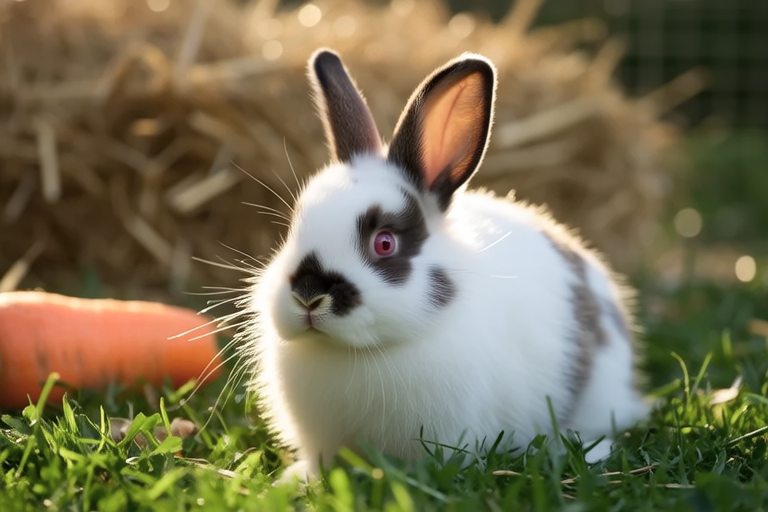
Dutch Dwarf Rabbits are one of the most popular breeds among pet owners due to their small size, friendly nature, and striking appearance. Originating from the Netherlands, these rabbits are known for their distinctive white blaze on their faces, which contrasts with their colored bodies. However, caring for a Dutch Dwarf Rabbit requires knowledge about their specific dietary needs, housing, exercise, grooming, and health. This guide aims to provide you with all the necessary information to ensure your Dutch Dwarf Rabbit leads a healthy and happy life.
Dietary Needs
Proper nutrition is crucial for maintaining the health of your Dutch Dwarf Rabbit. Their diet should primarily consist of hay, fresh vegetables, and a limited amount of pellets. Timothy hay is recommended as it aids digestion and supports dental health. Fresh vegetables such as carrots, broccoli, and leafy greens should be offered in moderation. Avoid feeding them foods high in sugar and starch, as they can lead to obesity and other health issues.
Water is also an essential part of their diet. Ensure that they have access to clean, fresh water at all times. A water bottle attached to their cage is ideal as it prevents spills and keeps the water clean.
Housing Requirements
Dutch Dwarf Rabbits need a spacious and comfortable living environment. They should have enough room to move around freely and stretch out fully. A cage measuring at least 36 inches by 24 inches is recommended for a single rabbit. The cage should be equipped with a solid floor, as wire floors can cause foot injuries. Additionally, provide soft bedding made of straw or paper-based bedding to make them comfortable.
It’s important to place the cage in a quiet area away from direct sunlight and drafts. Dutch Dwarfs are sensitive to extreme temperatures, so ensure the temperature in their living space remains between 60-75 degrees Fahrenheit.
Exercise Needs
Despite their small size, Dutch Dwarf Rabbits require regular exercise to stay healthy. Allow them supervised playtime outside of their cage for at least an hour each day. Use a rabbit-proofed room or a large playpen to prevent them from chewing on electrical cords or furniture. Provide toys and tunnels to keep them mentally stimulated during playtime.
Outdoor playtime can be beneficial but only if done under supervision and in a secure, predator-free area. Be cautious of hot weather as it can be dangerous for rabbits.
Grooming Tips
Grooming your Dutch Dwarf Rabbit regularly helps maintain their coat and overall hygiene. Brush their fur weekly to remove loose hair and prevent hairballs. Bathing is generally unnecessary unless they get particularly dirty, as it can stress them out. Instead, use a damp cloth to wipe them down if needed.
Inspect their nails monthly and trim them if they become too long. Overgrown nails can cause discomfort and difficulty walking. Consult a veterinarian for guidance on proper nail trimming techniques.
Health Concerns
Dutch Dwarf Rabbits are prone to certain health issues, including dental problems, respiratory infections, and digestive disorders. Regular veterinary check-ups are essential to catch any potential health issues early. Watch for signs of illness such as lethargy, loss of appetite, or changes in litter box habits.
Preventative care includes vaccinations against common diseases and parasite control. Discuss appropriate vaccination schedules and parasite treatments with your veterinarian.
Socialization
Dutch Dwarf Rabbits are social animals and enjoy interacting with their owners. Spend time handling and playing with them daily to strengthen the bond. Positive reinforcement training can teach them simple commands and tricks, making interaction more enjoyable for both of you.
If you plan to have multiple rabbits, consider getting a bonded pair. Rabbits are often happier when they have a companion. Ensure they are introduced gradually and supervised initially to avoid conflicts.
Breeding Information
Breeding Dutch Dwarf Rabbits requires careful planning and attention to detail. Males and females should be at least six months old before breeding. Provide a nesting box filled with soft bedding several weeks before the expected birth date. Once kits are born, they should remain with their mother until they are weaned at approximately eight weeks of age.
After weaning, separate male and female kits to prevent accidental breeding. Always consult a veterinarian before breeding to ensure both parents are in good health and free from genetic disorders.
Frequently Asked Questions
- Q: How often should I feed my Dutch Dwarf Rabbit?
A: Feed them unlimited amounts of hay and a small handful of fresh vegetables daily. Limit pellets to a tablespoon per two pounds of body weight. - Q: Can I keep my Dutch Dwarf Rabbit outside?
A: It is not recommended to keep them outside due to temperature sensitivity and the risk of predators. Indoor living provides a safer and more controlled environment. - Q: What should I do if my rabbit isn’t eating?
A: Loss of appetite can indicate an underlying health issue. Contact a veterinarian immediately for diagnosis and treatment.
Troubleshooting Section
If you’re facing challenges with your Dutch Dwarf Rabbit, here are some common issues and solutions:
- Problem: My rabbit is scratching excessively.
Solution: Check for fleas, mites, or skin irritations. Clean their living area thoroughly and consult a veterinarian if symptoms persist. - Problem: My rabbit is biting me.
Solution: Biting can be a sign of stress or pain. Ensure their environment is comfortable and offer treats to redirect their behavior positively. - Problem: My rabbit is losing fur.
Solution: Excessive fur loss can be due to poor diet, parasites, or hormonal imbalances. Adjust their diet, check for parasites, and seek veterinary advice.
Caring for a Dutch Dwarf Rabbit is a rewarding experience that brings joy and companionship. By following the tips and advice provided in this guide, you’ll be well-equipped to provide your furry friend with a loving home. Remember, every rabbit is unique, so observe your pet closely and adjust care accordingly. With proper attention and care, your Dutch Dwarf Rabbit will thrive and bring endless happiness to your household.
