American Shorthair Kittens: Everything New Owners Need to Know
Welcome to the wonderful world of American Shorthair kittens! As one of the oldest and most popular cat breeds in the United States, these lovable felines have a rich history and a reputation for being gentle, affectionate, and easy to care for. Whether you’re a seasoned cat owner or embarking on your first pet ownership journey, this guide will provide you with all the information you need to ensure your American Shorthair kitten thrives in its new home.
The History of American Shorthair Cats
The American Shorthair is a breed that has been around for centuries, with origins tracing back to the early settlers of North America. These cats were brought over by European sailors to control rodent populations aboard ships. Over time, they adapted to life on land and became valued companions and hunters. The breed was officially recognized by the Cat Fanciers’ Association (CFA) in 1906, and since then, it has grown in popularity due to its friendly nature and robust health.
Physical Characteristics
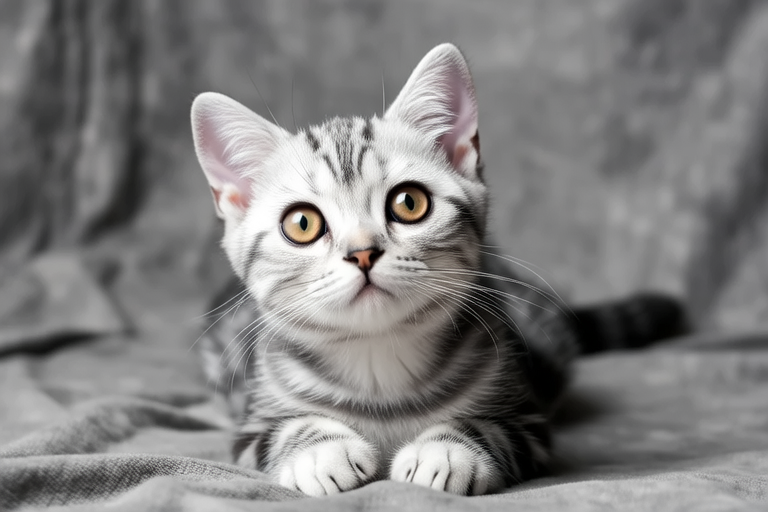
American Shorthair kittens are known for their muscular build and sturdy appearance. They typically weigh between 8 to 15 pounds, with males being larger than females. Their coats come in a variety of colors and patterns, including solid, tabby, and bi-color. One of the most distinctive features of this breed is their short, dense fur, which requires minimal grooming. Their eyes are usually green, copper, or gold, adding to their charming appearance.
Temperament
One of the reasons why American Shorthairs are such beloved pets is their friendly and adaptable temperament. These kittens are generally good-natured and get along well with children, other pets, and even strangers. They enjoy human company but are also independent enough to entertain themselves when needed. Their playful nature makes them excellent companions for families and individuals alike.
Grooming Needs
Despite their short fur, American Shorthair kittens still require some grooming to keep their coat healthy and shiny. Brushing them once or twice a week with a soft-bristled brush will help remove loose hair and prevent matting. During shedding seasons, you may need to increase the frequency of brushing. Bathing is usually only necessary if the kitten gets particularly dirty, as over-bathing can strip their skin of natural oils.
Dietary Requirements
Feeding your American Shorthair kitten a balanced diet is crucial for its growth and development. High-quality commercial kitten food that meets the nutritional standards set by organizations like the Association of American Feed Control Officials (AAFCO) is recommended. Ensure that the food contains adequate amounts of protein, fat, vitamins, and minerals. Avoid feeding your kitten table scraps or excessive treats, as this can lead to obesity and other health issues. Consult with your veterinarian about specific dietary needs based on your kitten’s age and activity level.
Health Concerns
Like any breed, American Shorthair kittens can be prone to certain health issues. Regular veterinary check-ups are essential to catch potential problems early. Some common conditions include dental disease, obesity, and musculoskeletal disorders. Providing a nutritious diet, regular exercise, and routine dental care can help prevent many of these issues. Additionally, vaccinations and parasite prevention are important for maintaining your kitten’s overall health.
Training Tips
Training your American Shorthair kitten is easier than you might think. Positive reinforcement techniques, such as rewarding desired behaviors with treats or praise, work best. Start by teaching basic commands like ‘come’ and ‘sit.’ Encourage good behavior from the beginning, and discourage bad habits before they become ingrained. For example, if your kitten scratches furniture, provide scratching posts and reward it when it uses them instead.
Exercise Recommendations
While American Shorthair kittens are relatively low-maintenance compared to more active breeds, they still need regular exercise to stay healthy and happy. Interactive toys, such as feather wands or laser pointers, can stimulate their minds and bodies. Play sessions should last around 15-30 minutes per day. Providing vertical spaces like cat trees or shelves allows them to explore and climb, mimicking their natural instincts.
Advice on Integrating Your Kitten into a New Home
Bringing a new kitten into your home is an exciting but sometimes challenging experience. To make the transition smoother, follow these tips:
- Create a Safe Space: Set up a quiet room with everything your kitten needs—food, water, litter box, bed, and toys. This helps them feel secure while they adjust to their new surroundings.
- Gradual Introduction: Allow your kitten to explore the house gradually, giving them time to acclimate to each new area. Keep other pets separate initially to avoid overwhelming your new addition.
- Establish Routines: Kittens thrive on consistency. Establish regular feeding times, play sessions, and litter box cleaning schedules to help them feel at ease.
- Patient and Gentle: Remember that your kitten is learning how to interact with humans and other animals. Be patient and gentle during this adjustment period.
Personal Anecdote: When I first brought my American Shorthair kitten home, she was shy and hesitant. However, after setting up a cozy space for her and spending quality time together, she soon blossomed into the loving and playful companion I know today. Each kitten is different, so take things at your own pace and enjoy the process of getting to know your new family member.
In conclusion, owning an American Shorthair kitten is a rewarding experience filled with love, laughter, and companionship. By understanding their unique needs and providing a nurturing environment, you can ensure that your kitten grows up to be a happy and healthy adult cat. Embrace the journey, and cherish every moment spent with your adorable new friend!
